Ronwen Williams' Penalty Heroics and Leadership Define South Africa's World Cup Journey
Ronwen Williams: South Africa's Penalty Hero and Captain

In February 2024, at the Charles Konan Barry Stadium in Yamoussoukro, Cote d’Ivoire, Ronwen Williams delivered a performance for the ages during an Africa Cup of Nations quarter-final. The South African goalkeeper and captain kept Cape Verde at bay over 120 grueling minutes, but his true brilliance emerged in the penalty shootout.

A Record-Breaking Shootout Display

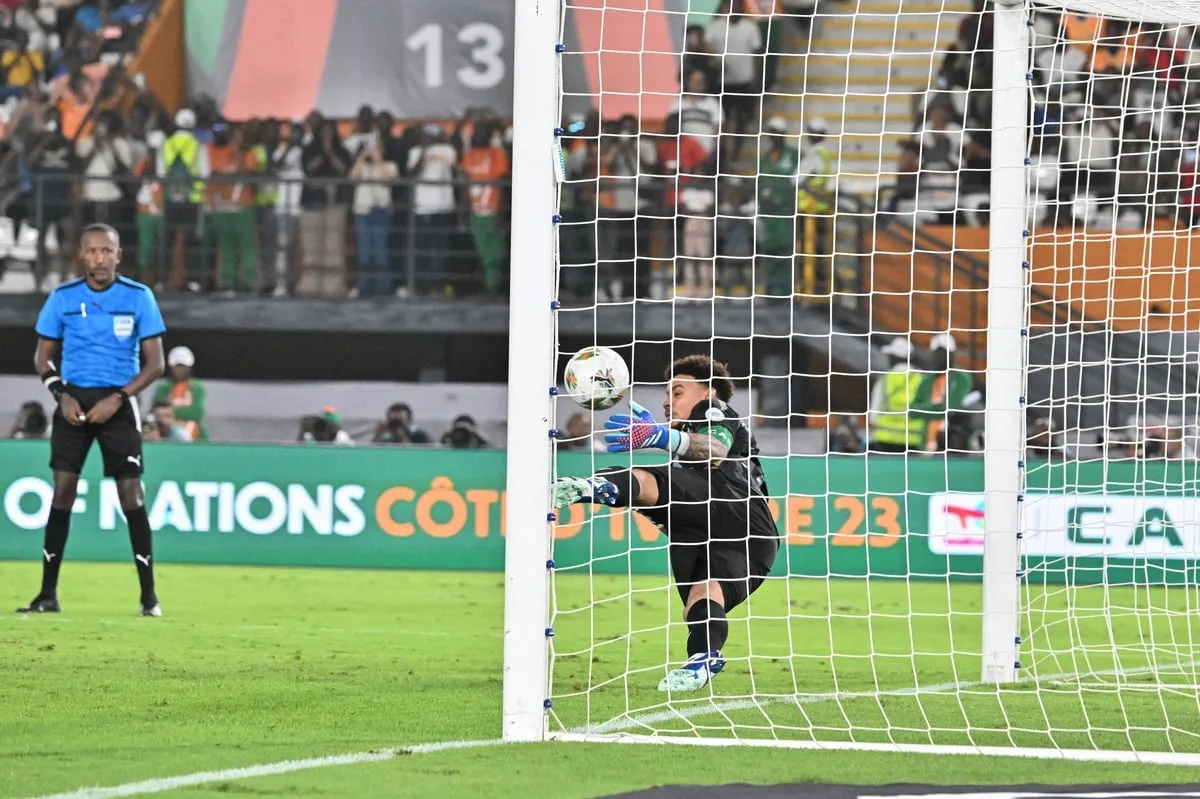
Williams dove to his right to save the first kick from Bebe, carefully ensuring the ball did not squirm underneath him. He repeated the feat against Willy Semedo, going the same direction for another crucial stop. When Laros Duarte stepped up, aiming for the corner, Williams stretched out a big right hand to deny him. The sequence culminated with Patrick Andrade becoming the fourth Cape Verde player thwarted by Williams, securing a 2-1 shootout victory for Bafana Bafana.

His four saves in a single shootout, excluding sudden-death, set a tournament record that may stand indefinitely. This historic achievement highlighted not just reflexes, but meticulous preparation.

Wide Pickt banner — collaborative shopping lists app for Telegram, phone mockup with grocery list

The Science and Study Behind the Saves

South African journalist Melissa Reddy, who has followed Williams since his early career at SuperSport United, noted his studious nature. "He had a reputation for being a very good goalkeeper but also very studious," Reddy explained. "He properly dives on any information from analysts or coaches, and he studies penalty shootouts intensely—watching Champions League matches to analyze takers and keepers."

Williams focuses on subtle cues, such as whether opponents try to deceive with their eyes or alter their routine before a kick. "Footballers are creatures of habit," Reddy added. "Even if they change something, there's usually a giveaway."

Broadcaster Richie Driss, writer and presenter of The Special 1 documentary, emphasized the scientific challenges. "On average, it takes 500 milliseconds for the ball to travel from the penalty spot to the goal line, 200 milliseconds for eyes to react, and 350 milliseconds for a goalkeeper to dive," he said. "The science is stacked against keepers, so they rely on tons of research—like water bottles with takers' names and memorizing techniques."

Overcoming Stereotypes and Personal Tragedy

Williams' exploits earned him a nomination for the Yashin Trophy at the 2024 Ballon d’Or ceremony, making him the only African keeper in the top ten and the first African-based stopper ever nominated. Reddy pointed out how he defies stereotypes. "There's a stigma that African goalkeepers are wild and unpredictable, but Ronwen is calm, assured, and incredibly studious," she said. "His reserved personality and the perception of African keepers may have hindered a European move, but Europe's loss is South Africa's gain."

Driss acknowledged the reputation issue, citing examples like Algeria's Rais M'Bolhi in 2014 and Senegal's Edouard Mendy, while noting high-profile struggles like Cameroon's Andre Onana at Manchester United. "Williams just has to play his game and not the occasion," Driss advised.

Behind his success lies profound personal loss. At age ten, Williams' cousin was shot dead, and in 2010, his brother Marvin died in a car accident. Williams, then a teenager, considered quitting football but chose to honor Marvin's memory by reaching the top. During the shootout against Cape Verde, he looked skyward, drawing inspiration from his late brother. "Sometimes I ask him to take control and show me which way to go. He’s like my guardian angel," Williams told The Observer in 2024.

Leadership and Team Dynamics

Williams captains South Africa with a graceful, intuitive style. Reddy described him as non-aggressive and egoless. "He can sense when someone needs an arm around their shoulder or a fire lit under them," she said. "His team-mates adore him because he leads with grace, setting the tone for Bafana Bafana's identity."

This leadership aligns with the increased professionalism under manager Hugo Broos, who took over in 2021 and will retire after the 2026 World Cup. Broos has fostered a collective spirit, with players fighting for the team rather than individual glory.

Pickt after-article banner — collaborative shopping lists app with family illustration

Looking Ahead to the 2026 World Cup

South Africa, qualifying for their first World Cup since hosting in 2010, will open against Mexico—a poetic repeat of the 2010 opener remembered for Siphiwe Tshabalala's iconic goal. Reddy noted the current squad's inspiration from that match. "They can draw from the spirit of how Bafana played then," she said. "This group is a better footballing unit—technically savvy, tactically astute, with no egos. Their strength is the collective."

Williams, who has won league titles with Mamelodi Sundowns and impressed at the 2025 Club World Cup, remains central to South Africa's hopes. As all eyes turn to the World Cup opener, his penalty heroics, studious approach, and resilient leadership will be key to surpassing their 2010 campaign.