Premier League Star's Complaint Sparks LGBTQ+ Campaign Overhaul
Premier League Star Complaint Sparks LGBTQ+ Campaign Changes

Premier League Star's Complaint Leads to LGBTQ+ Campaign Rethink

A Premier League footballer has reportedly expressed concern to his club that being featured on the front of their matchday programme during LGBTQ+ awareness campaigns made him appear gay, according to revelations from The Athletic. The player was highlighted on the programme cover for two consecutive seasons during the Rainbow Laces campaign period, prompting his complaint about the perceived portrayal.

New 'With Pride' Campaign Launches with Reduced Player Pressure

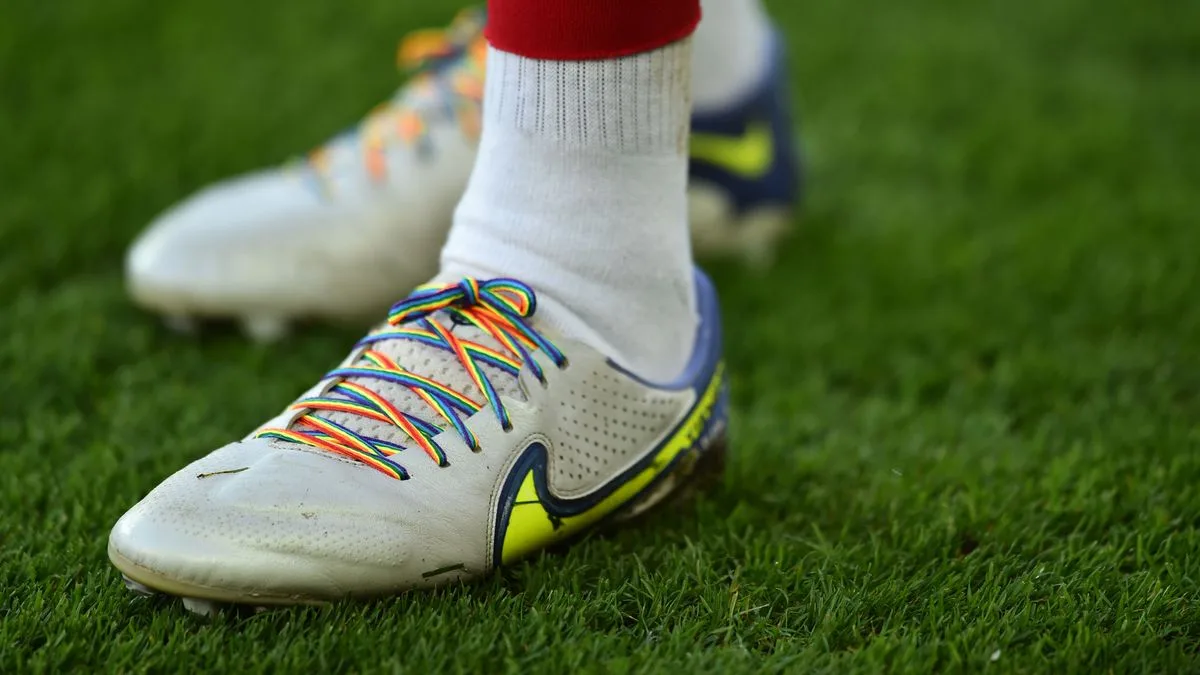
This development emerges as the Premier League prepares to launch a new LGBTQ+ allyship initiative called With Pride, running from February 6 to February 13. The campaign represents a significant shift in approach following last year's decision to sever ties with the LGBTQ+ charity Stonewall, ending the long-standing Rainbow Laces partnership that began in 2014.

The new strategy deliberately reduces pressure on individual players to publicly align with LGBTQ+ causes. Club captains will not be required to wear rainbow armbands, and players will not have to don pride-themed warm-up tops or rainbow laces during matches. This adjustment comes after last season witnessed several high-profile conflicts over such requirements.

Previous Season's Controversies Prompt Change

Last season's Rainbow Laces initiative sparked multiple incidents where players expressed religious objections. Ipswich Town's Muslim captain Sam Morsy refused to wear the rainbow armband entirely, while Crystal Palace's Christian skipper Marc Guehi wore his but added personal religious messages.

Guehi, whose father is a church minister, first wrote 'I love Jesus' on his armband during Palace's 1-1 draw with Newcastle. Despite being reminded of kit regulations by the Football Association, he subsequently wrote 'Jesus loves you' ahead of Palace's 1-0 victory at Ipswich in the following match.

'The message was pretty clear to be honest,' Guehi told Sky Sports. 'It was a message of love and truth as well, and a message of inclusivity so I think it speaks for itself.'

The FA reprimanded Guehi, reminding him that their regulations, aligned with FIFA rules, prohibit 'any political, religious or personal slogans, statements or images' on players' equipment, though this restriction notably did not extend to LGBTQ+ messaging itself.

Religious Perspectives and Family Support

Guehi's father John defended his son's actions in comments to the Daily Mail, stating: 'I am saying did he offend anyone? I don't think so. I do believe in what the Bible says, Jesus loves everyone, and, in my opinion, Marc did not offend anyone with what he wrote.'

He continued: 'If you look at what the LGBT community are doing, they are trying to impose on others what they believe in, it's belief against belief, but at the end of the day everyone has the right to an opinion.'

John Guehi contrasted his son's approach with Morsy's complete refusal, noting: 'Marc said "Yes" and did the right thing by wearing it but people are having a go at him for what he wrote, he accepted to wear the armband, he was just trying to balance the message.'

Manchester United's Rainbow Jacket Controversy

Meanwhile, Manchester United abandoned plans for their squad to wear rainbow jackets during warm-ups ahead of their 4-0 victory over Everton after devout Muslim player Noussair Mazraoui declined to wear the pride-themed garment. This decision reportedly created division within the United dressing room, highlighting the complex dynamics clubs face when implementing such initiatives.

In previous seasons, United had consistently worn the rainbow warm-up tops to demonstrate support for the LGBTQ+ community, making Mazraoui's refusal particularly notable within the club's established practice.

New Campaign Focuses on Stadium Elements

The Premier League's revised With Pride campaign will instead concentrate on stadium-based displays of support, including:

  • Pride-related themes on stadium screens
  • Advertising boards with LGBTQ+ messaging
  • Pre-match handshake boards featuring pride elements
  • Specially designed ball plinths

League officials hope this stadium-focused approach will maintain visibility for LGBTQ+ inclusion while reducing friction with individual players who may have personal or religious objections to wearing pride-themed equipment. The strategy acknowledges the delicate balance between promoting inclusivity and respecting diverse beliefs within the increasingly global Premier League community.