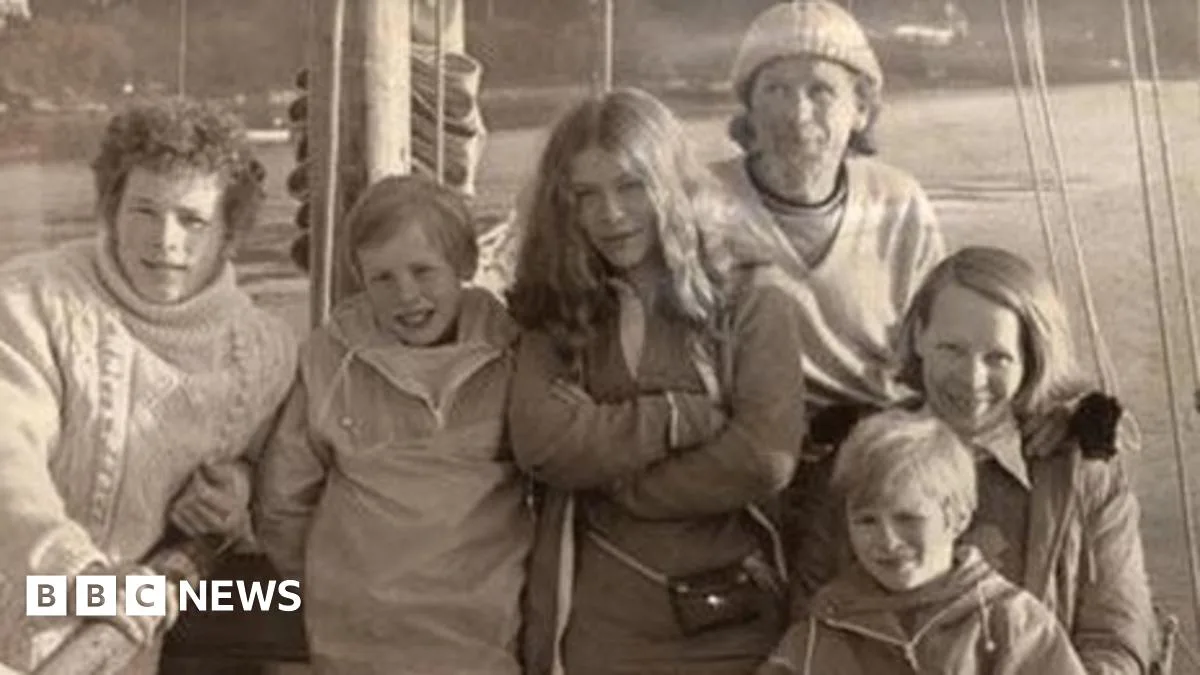
A family from Staffordshire survived 38 days adrift in the Pacific after a pod of killer whales sank their boat in 1972. The Robertsons, including parents and four children, were on a round-the-world voyage when the attack occurred near the Galapagos Islands.
Retired merchant navy officer Dougal Robertson had sold his dairy farm to buy a 43ft wooden schooner named Lucette. The family set sail from Falmouth in January 1971, with no practice voyage. Over 17 months they crossed the Atlantic before reaching the Pacific.
On 27 January 1972, killer whales struck the boat, cracking the keel. The six crew—the Robertsons and a hitchhiker named Robin Williams—escaped into an inflatable life raft and a 10ft dinghy. The raft became unusable after 16 days, forcing everyone into the small dinghy called Ednamair.
They survived on rainwater, turtles, and fish. They drank turtle blood and used rendered fat as oil for skin and warmth. Douglas Robertson, then 18, recalled blowing up the raft by mouth after the bellows broke. The family rationed supplies and endured cramped conditions.
On 23 July 1972, the Japanese fishing trawler Toka Maru II spotted their distress flare and rescued them. Dougal Robertson later wrote a book, Survive the Savage Sea, which was adapted into a film. He died in 1992. Douglas went on to join the navy and become an accountant.