Multi-Club Model Gains Momentum in Women's Game
The landscape of women's football is undergoing a significant transformation, with the model of multi-club ownership rapidly gaining traction. While this approach has faced criticism in the men's game, prominent investors are now arguing it is a necessity to unlock the potential of the women's sport.
American billionaire Michele Kang set the tone in June 2024. After recruiting stars like Kosovare Asllani for her club London City Lionesses, she stated multi-club ownership was "a necessity, not a luxury or greed, on the women's side". Her view was that substantial investment is required to deliver what players deserve.
A Wave of New Investment Groups
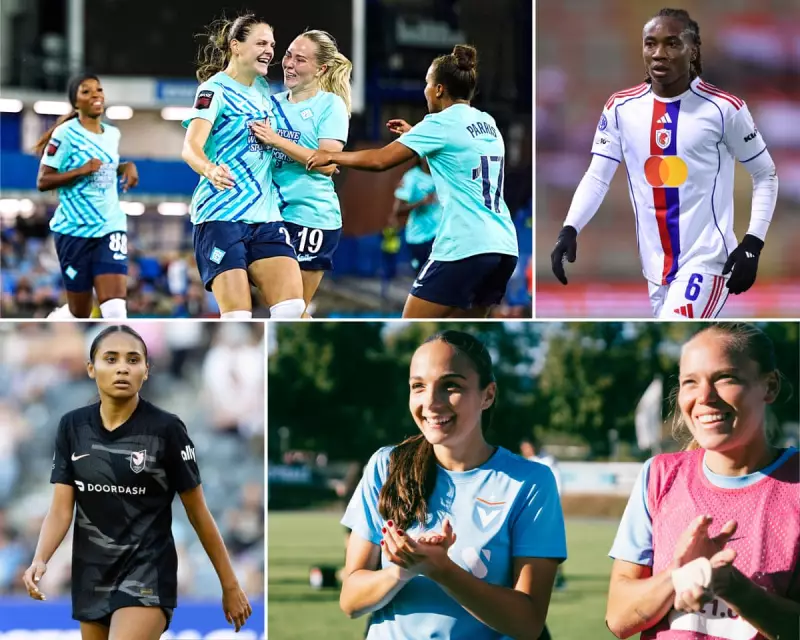
Kang's firm, Kynisca, is far from alone. A host of new investor groups are building portfolios across continents. In September, Mercury 13, founded by Victoire Cogevina Reynal and Mario Malavé, added Bristol City to its stable alongside Italian side Como.

January 2025 saw Bay FC backer Sixth Street launch its multi-club organisation, Bay Collective. Meanwhile, Crux Football, led by former New Zealand international Bex Smith and supported by ex-Netflix executive Cindy Holland, announced its first acquisition, Montpellier, in October after launching in August.
One of the most notable moves came from the Monarch Collective. Co-founded by venture capitalist and Angel City co-founder Kara Nortman alongside investor Jasmine Robinson, the group announced a minority investment in Germany's Viktoria Berlin last month. This marks Monarch's first European venture after investments in Angel City, Boston Legacy, and San Diego Wave.
"They Reminded Me of Us": A Shared Vision for Independence
For Nortman, the Berlin project resonated deeply. Viktoria Berlin's women's team was spun off from the men's side in 2022 when six female investors, including World Cup winner Ariane Hingst, acquired a 75% stake. They built a base of nearly 250 investors with 90% female ownership before Monarch joined.
"I actually got chills after the first conversation with them," Nortman revealed. "They reminded me of me, [Julie] Uhrman and [Natalie] Portman in the early days." She praised the German club's creative execution and its model of thoughtful independence.
The choice of Germany for Monarch's European debut was strategic. Nortman highlighted the country's large GDP, ripe football market, and Berlin's status as a cultural capital. "The grassroots piece... the quality of domestic talent, is huge," she added, seeing a prime opportunity to build a female-first sporting entity.
Nortman believes this model is replicable. "This is a version of something that every club can do," she asserted, explaining it involves creating an independent spirit for the women's team while leveraging shared services from a men's club, all driven by a dedicated, focused operating group.
The Big Ambition and Inevitable Debate
The ambition is monumental. "We are building the Real Madrids, the Manchester Uniteds... of tomorrow, but it's not going to happen by accident," Nortman stated. Her own passion for the game was ignited by conversations that went into the early hours, driving her to shift her career focus.
Despite the optimism, concerns persist about the influence of multi-club ownership and private equity in women's football. Critics question whether it will replicate the men's game's problems. However, for now, it is widely embraced by clubs, leagues, and federations as a crucial mechanism to fund a historically under-resourced sport.
Many driving this investment wave are women motivated by passion for equality and belief in the game's potential, with profitability a longer-term goal. Regardless of one's stance on the method, these investors are deploying the financial tools they understand within the current economic system to accelerate growth.
In other women's football news: Aitana Bonmatí won her third successive FIFA The Best player award, while England's Sarina Wiegman was named best coach for a fifth time. The UWCL league phase concluded, setting up playoff ties for February involving Arsenal and Manchester United.