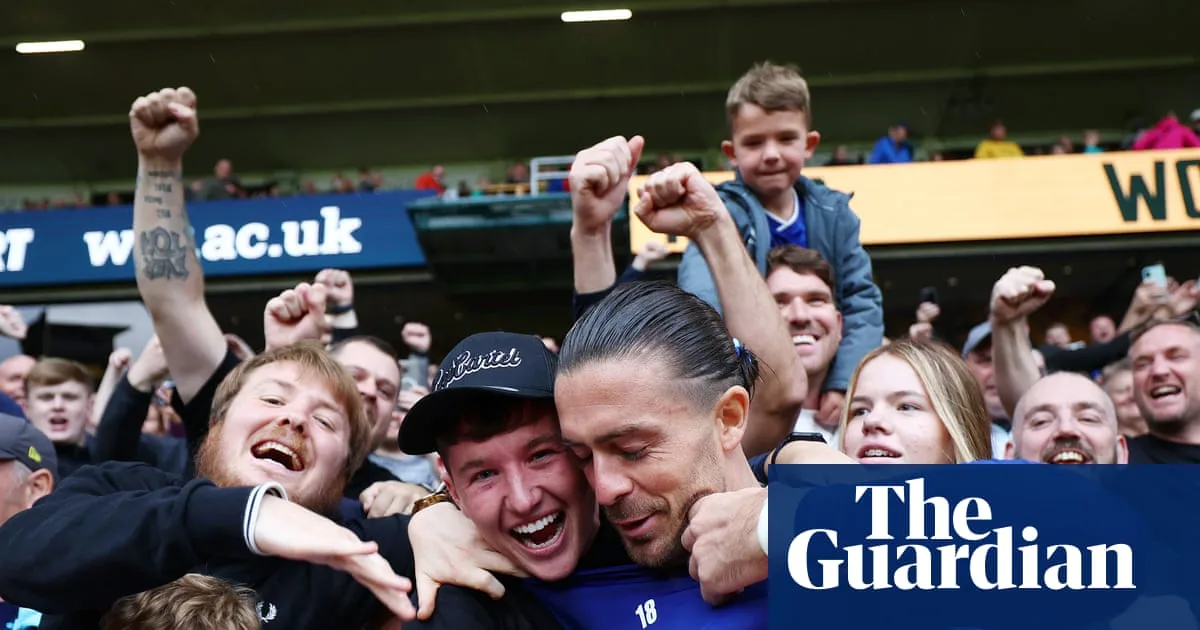
David Moyes has transformed Everton from a dull, survival-focused side into a free-scoring team, marking a significant step forward after years of relegation battles. Under his management, the club has shed its 'boring' label, with creative players like Jack Grealish given the freedom to express themselves. A 2-0 win over Brighton in their new £800m stadium and a 3-2 victory at Wolves have lifted Everton into the top five of the Premier League, sparking renewed optimism among fans.
Last season, Everton were bottom of the table in September after losing their first four league games, their worst start in 66 years. They frequently threw away leads, scoring just 15 goals in their first 19 matches, the second-lowest tally in the league. Their expected goals (xG) of 18.33 and goals-per-game of 0.79 were the club's lowest attacking output in 13 seasons. Over the past four campaigns, Everton ranked among the lowest scorers, finishing 17th, 19th, 19th and 13th for goals scored, while their possession share was consistently near the bottom.
The Friedkin Group, Everton's new owner, sacked Sean Dyche in January after the team failed to score in eight of their previous 10 games. Moyes, returning for a second stint, was initially met with scepticism due to his reputation for defensive solidity. However, he has since revitalised the attack: under him last season, goals per game nearly doubled from 0.79 to 1.42, xG rose from 0.96 to 1.35, and shot conversion improved from 6.9% to 13.8%. This season, Everton rank seventh for big chances, fourth for goals per match, and second for shot conversion.
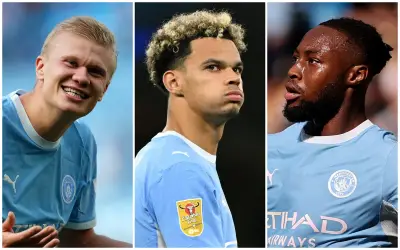
Moyes has moved away from Dyche's long-ball tactics, instead allowing creative players such as Grealish, Tyler Dibling and Kiernan Dewsbury-Hall to take risks. The team remain disciplined without the ball but are now creating and converting quality chances consistently. For Everton, this attacking evolution represents a sign of progress after a chaotic year, proving that even a 'boring' label can be shed with the right approach.