Mourinho's Late Masterstroke: Trubin's 98th-Minute Header Saves Benfica in Champions League Drama
Mourinho's Late Masterstroke Saves Benfica in Champions League

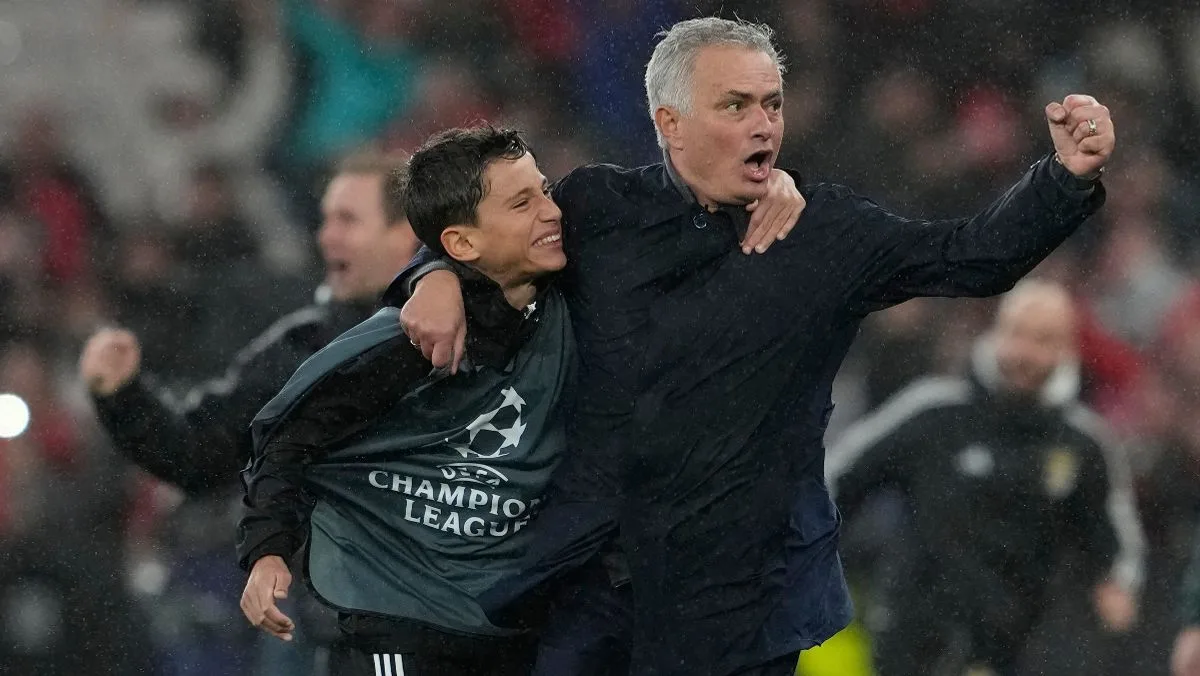
In a moment of pure footballing theatre, Jose Mourinho once again demonstrated his tactical genius as Benfica goalkeeper Anatoliy Trubin scored a stunning 98th-minute header to secure a dramatic 4-2 victory over Real Madrid. This extraordinary climax not only kept Benfica in the Champions League but also provided a much-needed injection of drama into what had been a largely predictable league phase of the competition.

The Lisbon Miracle: A Goalkeeper's Decisive Intervention

With the match entering its dying moments at the Estadio da Luz, the situation appeared bleak for the Portuguese side. Benfica were leading 3-2 but faced elimination from the competition, while Real Madrid were destined for the play-off round. In the 97th minute, recognising the desperate circumstances, Mourinho made the bold decision to send his goalkeeper forward for a corner.

What followed will be remembered as one of the most remarkable moments in recent Champions League history. Anatoliy Trubin, the Ukrainian shot-stopper, rose majestically to power home a thunderous header that sent the home crowd into raptures and secured Benfica's progression. The sheer improbability of a goalkeeper scoring such a crucial goal in the 98th minute encapsulated everything that makes football the world's most captivating sport.

Clear Stakes and Real Jeopardy

The power of Trubin's moment was amplified by the crystal-clear stakes involved. This wasn't merely about securing a better position in the table; it was about survival. Benfica faced complete elimination from the competition, creating genuine jeopardy that required no complicated calculations or reference to other matches to understand its significance.

As Miguel Delaney observed, the moment represented what the Champions League should always be about: high-stakes drama with immediate, understandable consequences. The sudden-death nature of the situation, with everything riding on a single moment, created the perfect conditions for footballing magic.

Mourinho's Enduring Influence

While the spotlight rightly falls on Trubin for his extraordinary contribution, the moment bore all the hallmarks of Mourinho's tactical acumen. The Portuguese manager, whose reputation for dramatic interventions remains undiminished, recognised the precise moment when conventional tactics needed to be abandoned in favour of desperate measures.

This latest masterstroke serves as a reminder that, despite the increasing financial dominance of certain leagues and clubs, individual brilliance and managerial ingenuity can still shape outcomes at the highest level. Mourinho's decision to deploy his goalkeeper as an emergency attacker in the penultimate minute demonstrated the kind of bold thinking that has defined his career.

The Broader Champions League Landscape

Beyond the immediate drama in Lisbon, the final night of the Champions League league phase produced several compelling narratives. Norwegian underdogs Bodo-Glimt continued their fairytale run by securing a play-off spot, having previously defeated managerial giants Pep Guardiola and Diego Simeone. Their remarkable journey through the group stages has been one of the competition's standout stories.

Meanwhile, the Premier League's financial muscle was evident with five English clubs securing places in the top eight, though Newcastle United missed out by a narrow margin after squandering late chances against Paris Saint-Germain. This concentration of wealth and talent has led to concerns about competitive balance, with some observers describing the current format as resembling a "Super League by stealth."

Format Questions and Television Spectacle

The dramatic conclusion to the league phase has reignited debates about the Champions League format. While nights like Wednesday provide unforgettable moments, questions remain about whether they justify months of what some critics describe as "low-stakes, low-intensity football" during the earlier stages.

The television spectacle of eighteen simultaneous matches created both excitement and confusion, with the significance of goals sometimes undermined by the need to immediately calculate their impact across multiple fixtures. This complexity occasionally detracted from the pure drama of individual moments, though nothing could diminish the impact of Trubin's extraordinary intervention.

Surprises and Structural Regeneration

Beyond the headline drama, several clubs demonstrated the value of strategic planning and structural regeneration. Sporting Lisbon, despite losing their manager and key players, progressed through intelligent rebuilding, while smaller clubs like Qarabag proved that resourcefulness can sometimes overcome financial disadvantage.

The elimination of highly-regarded managers like Roberto De Zerbi and Antonio Conte, alongside the continued European struggles of the latter, provided further evidence that reputation alone guarantees nothing in modern football. Meanwhile, emerging talents like Joao Pedro showcased their potential to influence the latter stages of the competition.

A Moment That Transcended the Competition

Ultimately, Trubin's 98th-minute header transcended the immediate context of Benfica's progression. It served as a powerful reminder of why millions watch football: for those rare, unforgettable moments when preparation, opportunity, and sheer will combine to create sporting magic.

As the Champions League evolves amid ongoing debates about format, finance, and competitive balance, moments like these demonstrate that the essence of the competition remains intact. When a goalkeeper scores a last-gasp winner against one of Europe's most storied clubs, orchestrated by one of football's most charismatic managers, it captures everything that makes the beautiful game truly special.