Morocco steps firmly onto the global football stage this week as it welcomes the Africa Cup of Nations, a tournament that serves as a critical proving ground for its lofty ambitions. The event is far more than a continental championship; it is a high-stakes dress rehearsal for the kingdom's role as a principal co-host of the 2030 FIFA World Cup alongside Spain and Portugal.
A Grand Rehearsal for 2030
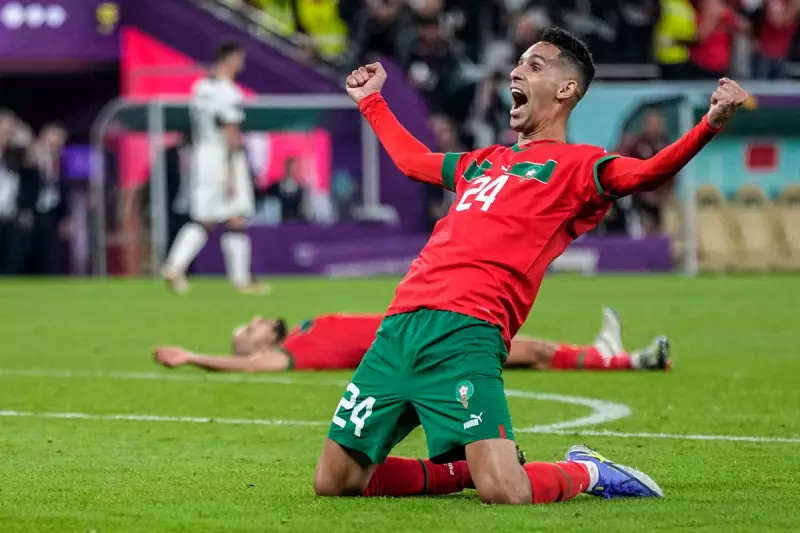
Hosting 24 teams across six cities in nine newly built or renovated stadiums, this is only the second time Morocco has staged the biennial AFCON. The timing is pivotal, coming three years after its historic run to the 2022 World Cup semi-finals – a first for any African or Arab nation. Officials, including Fouzi Lekjaa, president of the Royal Moroccan Football Federation, frame this tournament as a visible test of infrastructure and hospitality ahead of the global spectacle in 2030.
The centrepiece of Morocco's aggressive sporting infrastructure push is the future Hassan II Stadium in Casablanca. Slated for completion in 2028, it is designed to be the world's largest football arena with a capacity of 115,000, where Morocco hopes to host the 2030 World Cup final. This development is part of a broader national upgrade encompassing modernised airports, expanded high-speed rail, and major tourism investments in cities like Marrakech and Tangier.
Beyond bricks and mortar, significant investment has flowed into football development. The lavish Mohammed VI Football Complex near Rabat houses the senior team during the AFCON and symbolises a commitment to youth coaching. The strategy is yielding trophies: Morocco clinched the Under-20 World Cup in October 2025 and secured hosting rights for five consecutive Under-17 Women's World Cups.
Domestic Divides and Social Tensions
This vast expenditure on prestige projects has not been universally welcomed, sparking intense domestic debate. While visitors will witness modernised urban centres, many rural areas report neglect in basic services like healthcare, education, and employment.
Protests earlier this year saw young demonstrators chant, "Stadiums are here but where are the hospitals," directly linking football investments to perceived social inequalities. Members of the national team publicly supported these demonstrations. In response, King Mohammed VI stated in October that sporting development and social progress were not mutually exclusive, though critics of Prime Minister Aziz Akhannouch's government accuse it of prioritising glamour projects over urgent needs.
Regional Ambitions and Migration Paradox
The tournament also unfolds against the backdrop of Morocco's drive to cement its role as a regional economic and diplomatic power. Its "Atlantic Initiative" seeks deeper ties with landlocked West and Central African nations, expanding Moroccan banking, telecoms, and port access.
Diplomatically, normalised ties with Israel have brought it closer to the United States, while most EU members support its sovereignty over the disputed Western Sahara—a persistent point of tension with Algeria.
A stark paradox emerges in migration policy. Morocco has offered tourist visas for AFCON spectators, yet has simultaneously moved to curb migration from some participating nations, reinstating visa requirements for countries like Ivory Coast. The kingdom, a key transit point to Europe via Spain's Ceuta and Melilla enclaves, faces criticism from rights groups for clearing migrant camps and forced expulsions, with reports of a crackdown increasing ahead of the tournament.
The AFCON final on 18 January 2026 will be held at the newly opened Prince Moulay Abdellah Stadium in Rabat, marking a culmination of this ambitious national project. For Morocco, the Africa Cup of Nations is the latest, most visible step on a long road to football supremacy, a journey fraught with both international opportunity and complex domestic challenges.