Major League Soccer Scales Back Spanish-Language Broadcasts on Apple TV
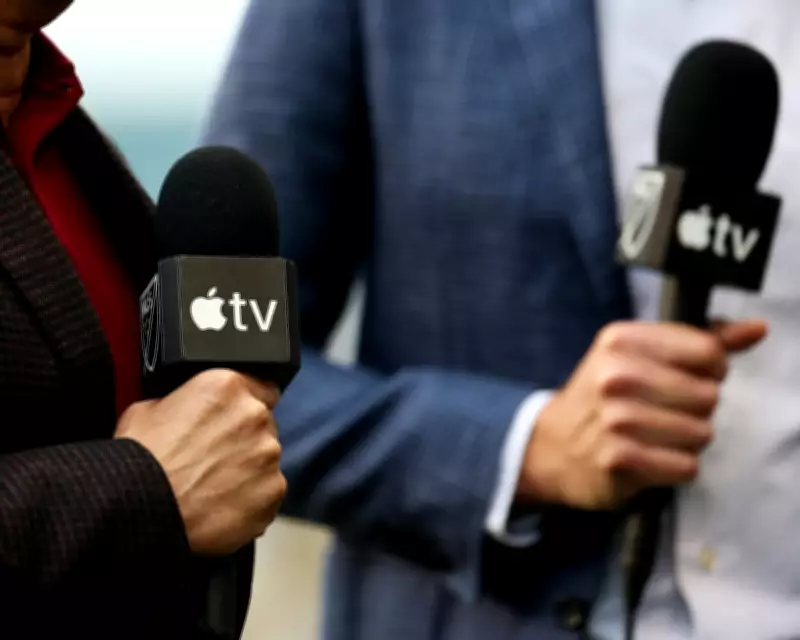
Major League Soccer (MLS) is implementing significant changes to its broadcast strategy on Apple TV for the upcoming season, with a notable reduction in Spanish-language broadcast talent, according to sources familiar with the league's plans. The adjustments include cutting approximately half of the Spanish-language commentators and discontinuing the Spanish version of the MLS 360 show, while also relocating some production operations to London.
Reductions in Spanish-Language Coverage
Five anonymous sources have revealed that MLS will part ways with around half of its Spanish-language broadcast talent, leaving many matches with only a single play-by-play announcer. A league office source confirmed that MLS intends to retain what it considers its seven best Spanish-language play-by-play and commentary pairings. Among those expected to remain are the duos of Sammy Sadovnik and Diego Valeri, Ramses Sandoval and Miguel Gallardo, and Jorge Perez-Navarro and Marcelo Balboa.
Additionally, the Spanish-language version of MLS 360, a whip-around style program offering live look-ins and commentary on multiple matches, will cease production. The English-language version will continue unaffected. A league source indicated that viewership data suggests Spanish-speaking audiences prefer watching full matches over in-studio programming, influencing this decision.

One source involved in the Spanish-language broadcasts expressed concern, stating, "It's hard to read the plans as anything other than the league saying they value Spanish-speaking and Latino fans less than others." In response, MLS executive vice-president for media Seth Bacon defended the move in a statement, explaining, "After careful consideration and in response to fan feedback, we are evolving our Spanish-language programming to better reflect how our audience engages with the game." He emphasised that coverage will focus on high-energy, live broadcasts from stadiums with enhanced on-site presence.
Production Shifts to London and Other Adjustments
Sources also disclosed that MLS plans to produce about half of its live matches overseas, utilising IMG studios in London, England. This marks a shift from previous arrangements, where some matches were produced remotely from Florida studios. A league source confirmed that broadcast talent will return to being on-site for all matches, with some productions handled across the Atlantic.
Concerns have been raised about potential challenges in live production between the US and UK. One production-side source warned, "Imagine somebody in London communicating with talent in the US in completely different lingo. I don't think it will end well." However, others are optimistic, noting that IMG's experienced talent could improve broadcast quality. Bacon assured that training is underway to standardise processes, aiming to maintain the look and feel of broadcasts unchanged.
Other changes include downsizing English-language offerings, such as discontinuing MLS Wrap-Up in its previous format, though a post-match component will remain. MLS is expanding coverage for Sunday Night Soccer, with on-site pre- and post-game crews, and introducing the Walmart Saturday Showdown with new sideline reporters.
Context and Future Implications
These broadcast adjustments come as MLS navigates its partnership with Apple, originally set through 2032 but now ending in 2029. Financial details include Apple paying $107.5 million for a short season and $275 million for the 2027-28 and 2028-29 seasons. MLS Commissioner Don Garber reported an average of about 120,000 viewers per match in mid-2025, with 3.7 million global aggregate viewers over a weekend slate.
The changes precede the 2026 World Cup, which Garber has described as "jet fuel" for boosting interest in MLS. As the league adapts its broadcast strategy, these moves aim to streamline operations while addressing audience preferences, though they have sparked debate over inclusivity and production quality.