Match of the Day Sees 10% Audience Decline Amid Digital Transformation
BBC's flagship football programme, Match of the Day, has experienced a notable shift in its viewing patterns, with traditional broadcast audiences falling by 10% while digital engagement soars. Despite this drop, BBC executives are celebrating what they describe as a "fantastic success" due to a substantial increase in online viewership.
Changing Faces and Figures
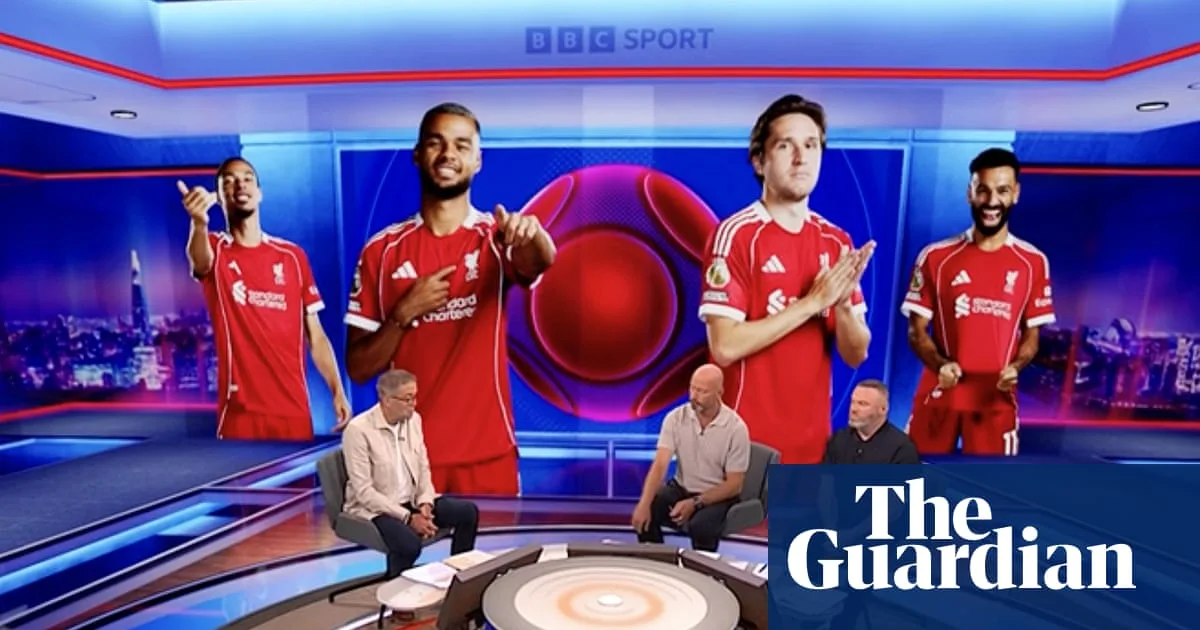
The show, which has been a staple of British television since 1964, underwent significant changes this season, most notably the departure of long-time presenter Gary Lineker. In his place, a new trio of hosts—Gabby Logan, Kelly Cates, and Mark Chapman—now share presenting duties on Saturday and Sunday nights. Recent data reveals that the weekly audience for these two programmes averaged 6.88 million viewers, a decrease of 770,000 compared to the average from August to December 2024.
However, this decline in traditional viewership is offset by a robust 21% rise in digital views on the BBC iPlayer app. This surge means that while the BBC has lost just over 750,000 viewers for the BBC One and BBC Two broadcasts, it has gained nearly double that number in digital viewers, resulting in an overall increase in the brand's reach.
BBC's Digital Strategy Pays Off
Alex Kay-Jelski, the BBC's director of sport, addressed these figures at the FT Live event, emphasising the positive impact of the digital expansion. "Yeah, it's been going great because the numbers overall of the brand—because we added this year the clips on top of all the other great work we've done with the traditional programme—we're hitting 20 or 21 per cent more people overall," he stated. "That's fantastic. I'm now sitting here worried that I'm getting my numbers wrong! But I know it's up by a significant amount. We'll take that."
The initial transition away from Lineker, an England legend and the familiar face of the world's longest-running football show, sparked some backlash. Yet, this change aligns with broader trends in media consumption, as a new generation of viewers increasingly turns to digital platforms for content.
Adapting to a New Media Landscape
Kay-Jelski highlighted the evolving challenges in today's media environment, where competition extends far beyond traditional broadcasters. "We're all living in this very, very, very different media landscape now where most of us are saying things first on our phone anyway, and we're all swiping and swiping and swiping on the same tiny little screen," he explained. "But we're not competing against who we were competing for before. BBC might have thought traditionally it was up against ITV or Sky or various other broadcasters as well. That's not the case anymore."
He further noted that the BBC now contends with a wider array of distractions, from social media updates to commercial advertisements. "We're in a race to not be swiped up against people sending me holidays or clothes companies, or two for one chicken breasts on sale from the supermarket or football teams or athletes," Kay-Jelski added. "We need to be cleverer and better and engaging people, all of us, in order to compete in a far wider landscape than it's ever been before."
The show's digital offerings include extensive highlights available on iPlayer, often lasting up to nine minutes per game, which are accessible later the same day and even before the traditional Match of the Day broadcast. This strategy caters to viewers who prefer to watch on mobile devices, tablets, or laptops, reflecting a shift towards on-demand and portable viewing habits.
Overall, while Match of the Day faces challenges in maintaining its traditional TV audience, its successful pivot to digital platforms underscores the BBC's adaptability in a rapidly changing media world, ensuring the programme remains a key player in football broadcasting.