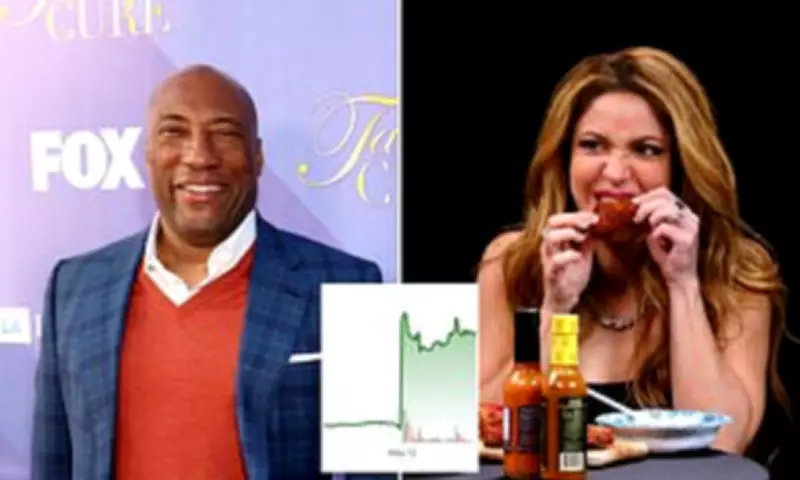
BuzzFeed's quizzes may be safe, but its founder's reign is almost over. The once-mighty website that made millions of office workers click on lists, quizzes and viral food videos has been thrown a surprise lifeline by TV mogul Byron Allen.
Allen, who owns The Weather Channel and a string of entertainment networks, is set to take control of BuzzFeed in a $120 million deal that sent the company's battered shares soaring. They jumped 100 percent on the news.
The Rise and Fall of BuzzFeed
BuzzFeed became famous in the 2010s for viral stories, irresistible quizzes and headlines that seemed built for Facebook. It helped define a whole era of the internet, from 'which character are you?' quizzes to Tasty cooking videos watched by millions.

But the social-media magic faded. Facebook changed how it showed content, readers moved on and the advertising money dried up. BuzzFeed, once valued at around $1.7 billion, was left fighting for survival.
Byron Allen's Takeover
Now Allen is stepping in with a deal worth up to $120 million that would make his company the majority owner of BuzzFeed. Once the deal closes, Allen will become chairman and CEO.
To prepare for the shift, BuzzFeed is already planning 'significant changes' to cut costs, like setting up smaller subsections of the brand, BuzzFeed Studios and Tasty, as an independent entity. BuzzFeed formally said it does not offer a two-sided view on issues like anti-racism and LGBTQ equality, saying, 'there are not two sides.'
Hot Ones and First We Feast were initially owned by BuzzFeed before selling for a whopping $82.5 million. Byron Allen is an American businessman, film and television producer and comedian.
Allen said that the new 'vision' will build on BuzzFeed and HuffPost by expanding videos and user-created content. 'As of this moment, with the power of AI, BuzzFeed is officially chasing YouTube to become another premiere free video streaming service,' Allen said.
Jonah Peretti's New Role
BuzzFeed founder Jonah Peretti will move into a newly created role as president of 'BuzzFeed AI.' Peretti said he is 'convinced' that AI will change the media industry 'and empower creative people to build in new ways, and I believe the opportunity is enormous.'
Allen previously set his sights on owning Paramount, submitting a $30 billion bid that has since crumbled. Before Allen's big move, BuzzFeed was worth less than $30 million, which means Allen is paying 10 times more for BuzzFeed than the market value. BuzzFeed, weighed down by debt, could argue that it's worth more than its stock suggests.
A Changing Media Landscape
A decade ago, BuzzFeed, along with other liberal-leaning news companies like Vice and Vox Media became trendy thanks to social media platforms like Facebook and viral YouTube videos - at least at the time. Now, BuzzFeed has gone through multiple rounds of layoffs. Vice filed for bankruptcy protection. Vox Media appears to be on the verge of being broken up and sold off in chunks, with James Murdoch's Lupa Systems likely to buy Vox's podcast network.
At one point, Vox was worth $1 billion and Vice was worth a whopping $5.7 billion in theory. Despite sliding profits, viewers keep coming back to BuzzFeed's website, with the company ranking as the top US digital media brand for Gen Z and Millennials so far in 2026.
Previous Investor Interest
In May 2024, former Republican presidential candidate Vivek Ramaswamy attracted major attention after purchasing a roughly 8.4 percent stake in BuzzFeed, making him one of the company's largest shareholders. At the time, Ramaswamy described the investment as an 'activist' position, wanting to push for a dramatic 'strategic shift' at the struggling media company. His investment caused BuzzFeed's stock price to surge sharply after the announcement.
Ramaswamy suggested cutting staff, expanding video and podcasts and hiring conservative personalities such as Tucker Carlson and Candace Owens, which Peretti pushed back on strongly, saying Ramaswamy misunderstood the company's mission. Ramaswamy argued that mainstream media organizations had lost public trust and believed BuzzFeed could reinvent itself by embracing broader ideological diversity and independent creators.

While Allen is mostly known for being a supporter of the Democratic Party, he's publicly criticized Barack Obama as well as Donald Trump.