The Football Association has faced significant criticism from anti-discrimination charity Kick It Out following its decision not to impose stronger sanctions on Manchester United co-owner Sir Jim Ratcliffe for his controversial remarks about immigration. The charity has publicly expressed its disappointment, arguing that Ratcliffe's comments "brought the game into disrepute" and warranted more serious disciplinary action.
Controversial Comments Spark Widespread Condemnation
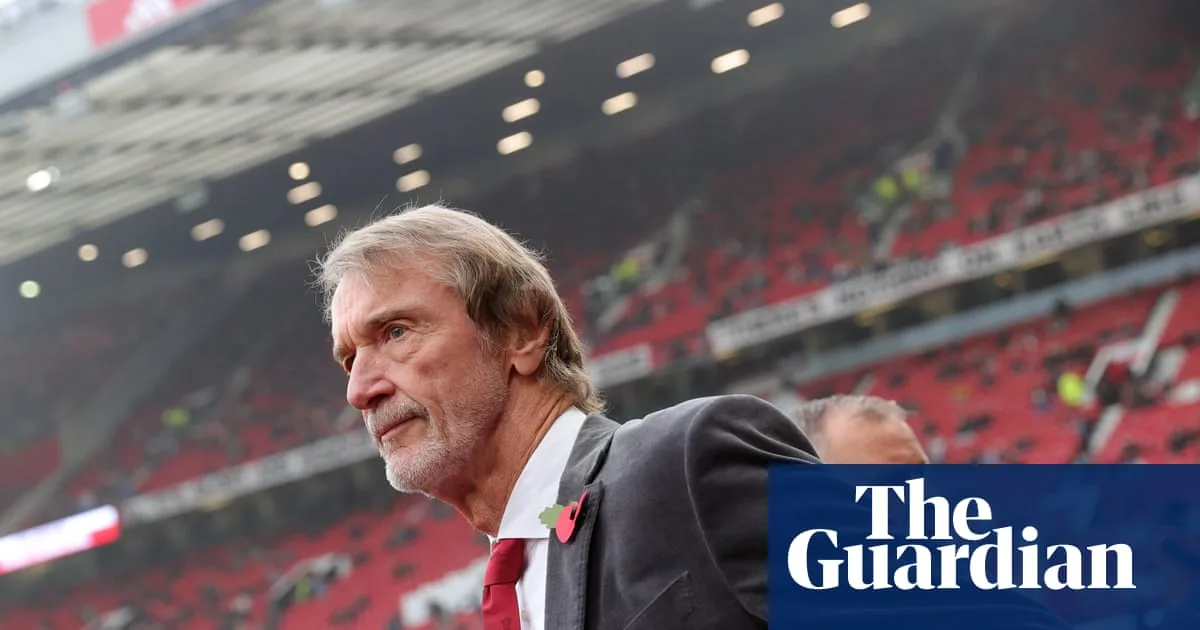
Sir Jim Ratcliffe ignited a firestorm of criticism last week during a Sky News interview where he stated that the United Kingdom had been "colonised by immigrants." These remarks drew immediate condemnation from prominent political figures, including Prime Minister Sir Keir Starmer and Greater Manchester Mayor Andy Burnham. The comments were widely viewed as divisive and inaccurate, prompting swift backlash across the political and sporting spectrum.
FA's Response Deemed Insufficient
While the Football Association has reportedly issued Ratcliffe with a formal reminder of his responsibilities as a football participant during media engagements, it has chosen not to pursue any further disciplinary measures. This decision has been met with strong opposition from Kick It Out, which believes the response fails to adequately address the seriousness of the situation.
In an official statement, the charity declared: "Kick It Out is disappointed that Sir Jim Ratcliffe has not been given a stronger sanction for bringing the game into disrepute. When speaking in any capacity, he is still a representative and co-owner of Manchester United, which has a global following. Unprompted, he brought the club into a TV interview where he was inaccurate with the facts and divisive with his language."
Football's Responsibility in Divided Times
The charity emphasized football's unique position in society, stating: "At a time when various forces are seeking to divide society, football must stand united. We urge those in leadership positions to be mindful of the responsibility they carry." This statement underscores the broader concern about the impact of such remarks from influential figures within the sport.
Ratcliffe's Apology and Club Response
Following the intense backlash, Ratcliffe issued a statement the day after his interview, expressing regret that his comments had "offended some people." Manchester United also released their own statement highlighting the club's pride in being "inclusive and welcoming," attempting to distance themselves from the co-owner's personal views.
Carrick Addresses the Situation
Head coach Michael Carrick faced questions about the controversy during his first media appearance since the remarks were made. He carefully navigated the issue, stating: "Sir Jim has made a statement, and then the club's made a statement on the back of it so for me to add to that is not my place."
Carrick emphasized the club's longstanding values, adding: "What I can say is, as I've been around this club many, many years, we always make a huge impact globally. We're really proud of the environment and the culture that we've got at the club, and equality and diversity and respect for each other is something that we look to carry through every day."
Maintaining Team Spirit Amid Controversy
The coach was adamant that Ratcliffe's comments had not affected team morale, noting that United had won four and drawn one of their five games since his appointment following Ruben Amorim's dismissal in January. "We have got a really strong, strong group, whether that's the players in and around the dressing room and the staff. We're in constant communication. We're here to support each other and help each other in whatever way we can," Carrick explained.
He further described the team's positive atmosphere: "The boys have been in really good spirits this week in terms of training. We've had some time away, so that was important for a refresh and a bit of a deep breath."
Broader Implications for Football Governance
This incident raises important questions about the Football Association's disciplinary processes and how they handle controversial statements from high-profile football figures. Kick It Out's criticism highlights ongoing concerns about whether current sanctions are sufficient to deter similar incidents in the future, particularly when comments touch on sensitive social issues like immigration.
The charity's intervention serves as a reminder of football's powerful platform and the responsibility that comes with leadership positions within the sport. As the debate continues, all eyes remain on how football authorities balance free expression with their duty to protect the game's reputation and promote inclusive values.