Peter Kenyon Recalls David Beckham's Emotional Reaction to Manchester United Exit
David Beckham's transfer from Manchester United to Real Madrid in 2003 stands as one of the most high-profile moves in English football history. The departure, orchestrated after a public falling-out with manager Sir Alex Ferguson, was a moment of profound personal turmoil for the player, as revealed by former Manchester United chief executive Peter Kenyon.
The Heartbreaking Conversation
In a candid interview with High Performance, Kenyon recounted the difficult phone call where he informed Beckham that his time at Old Trafford was over. "David did not want to play for anyone else but Manchester United, genuinely," Kenyon stated. "He loved the club, it had been part of his life, it was everything… so to get David to move was not about moving for more money - he didn’t want to go."
Kenyon described the conversation as a direct confrontation with reality: "It was basically confronting David with: ‘You’re not going to play for Manchester United again, that’s the reality’. And that was a decision that was taken fundamentally by Alex, supported by the board completely." He emphasized the club's unified approach, noting that once the decision was made, it was executed jointly.

Beckham's Reluctance and Legacy
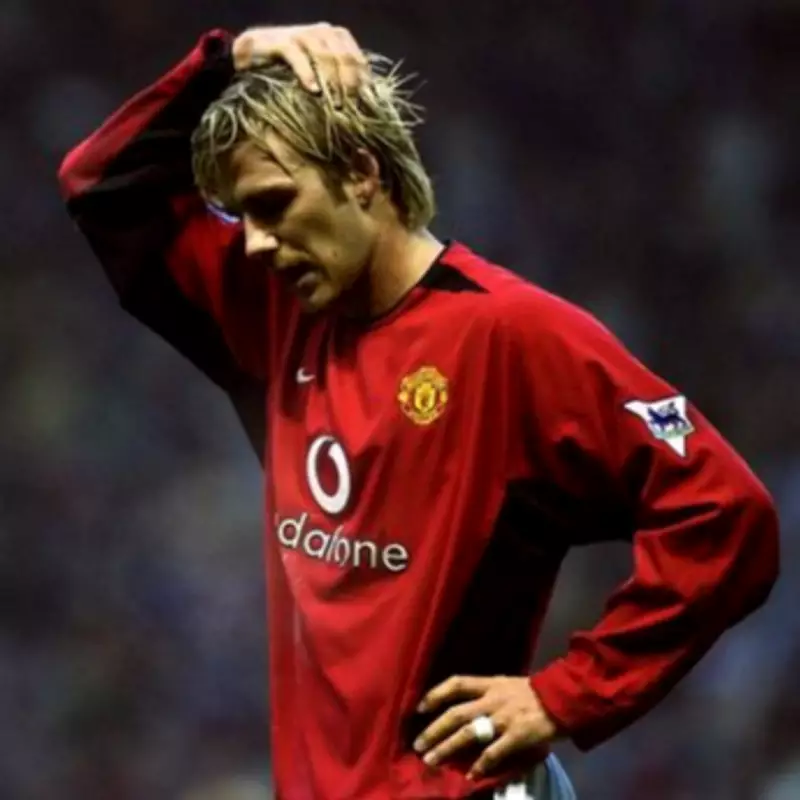
Beckham had spent his entire career up to that point with Manchester United, playing nearly 400 matches and rising to become captain of the England national team. The deterioration of his relationship with Ferguson made an exit inevitable from the club's perspective, but this did little to ease the blow for the player. Kenyon reflected on Beckham's reaction, saying it was "tough, because he didn’t want to leave." He stressed the importance of honesty and respect in such difficult situations.
The call took place on a Sunday afternoon, with Kenyon barbecuing at home. He told Beckham: "David, it’s over, and we’re asking you to look at joining Real Madrid… I know the Madrid guys inside out, and the only team I think you can go to other than Manchester United is Madrid. You’ll be well looked after, you’ll be playing with superstars, you’ll be in for trophies, and they’ll pay you more than we are. But more importantly than that, it’s over [for you] here."
Aftermath and Reflections
Beckham's move to Real Madrid lasted four years, during which he faced challenges in securing silverware, with Valencia winning the 2003/04 title and Barcelona claiming the next two. However, he eventually won La Liga in the 2006/07 season before departing for Los Angeles Galaxy. In his autobiography 'My Side', Beckham opened up about Ferguson's role, writing: "The gaffer had had enough. I'd grown up as a person, and he didn't seem to like what I'd become."
During a 2017 appearance on BBC's 'Desert Island Discs', Beckham further elaborated on the emotional impact, describing himself as "shocked and devastated" by the departure. He admitted: "I didn't watch Manchester United for three years (after that). I would never have left." This sentiment underscores the deep connection Beckham felt with the club, making his exit a poignant chapter in football history.
Kenyon's revelations shed light on the human side of high-stakes football transfers, where business decisions often clash with personal loyalties. The story remains a testament to Beckham's enduring legacy at Manchester United and the complex dynamics that shape elite sports careers.