In a seismic shift for American football, the Kansas City Chiefs have officially declared their intention to depart their historic home, Arrowhead Stadium, and move across the Kansas-Missouri state line. The franchise confirmed on Monday, 22 December 2025, that it will build a new domed stadium, slated for completion in time for the 2031 NFL season.
Legislative Green Light Seals the Deal
The pivotal moment came earlier on Monday when Kansas's Legislative Coordinating Council voted unanimously to approve a significant bonding package. This plan authorises the use of STAR bonds to cover up to 70% of the costs for a new stadium and an adjacent entertainment district. The bonds will be repaid using future state sales and liquor tax revenues generated within the designated project area.
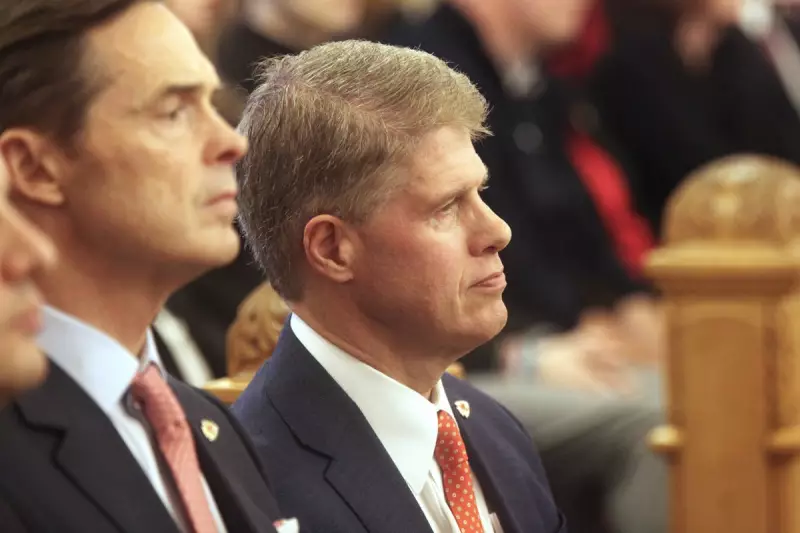
The council's meeting in Topeka was attended by Chiefs owner Clark Hunt and team president Mark Donovan, signalling the franchise's direct involvement. Kansas Governor Laura Kelly subsequently held a news conference to announce what she termed a "major economic development" for the state and the wider Kansas City region.
The End of an Era at Arrowhead
This decision marks the conclusion of a storied chapter that began in 1972, when the Chiefs moved into Arrowhead Stadium on the Missouri side of Kansas City. The venue, revered for its deafening crowd noise and legendary tailgating scene, is considered a jewel of the NFL. It currently holds the Guinness World Record for the loudest stadium roar and is set to host six matches during this summer's FIFA World Cup.
Despite its iconic status, the franchise has grappled with the stadium's limitations. Arrowhead has seen little surrounding economic development, its infrastructure is ageing, and it lacks the year-round, revenue-generating potential of a modern facility with a roof. The move follows the failure last year of a local sales tax extension in Jackson County, Missouri, which would have funded an $800 million renovation of Arrowhead and a new ballpark for the Kansas City Royals.
Political and Regional Repercussions
The Chiefs' relocation represents a significant blow to Missouri officials, including Governor Mike Kehoe and Kansas City, Missouri, Mayor Quinton Lucas. They had been crafting proposals to retain both the Chiefs and the Royals, with Mayor Lucas calling a separate press conference on Monday regarding "sports team developments." This exit echoes the departure of the St. Louis Rams to Los Angeles a decade ago.
The most probable new home for the Chiefs is in Kansas City, Kansas, near the Kansas Speedway and The Legends shopping district. This area is already a sports hub, housing the stadium of MLS side Sporting Kansas City. While not discussed in Monday's Kansas vote, momentum is also building for the Royals to make a similar cross-border move, with the club's affiliate having purchased land in Overland Park, Kansas.
The Chiefs' leases at the Truman Sports Complex with Jackson County expire in January 2031, perfectly aligning with the projected readiness of the new venue. A domed stadium would fulfil a long-held ambition of the late founder Lamar Hunt, opening the door to hosting Super Bowls, Final Four events, and major concerts, fundamentally transforming the club's commercial future.