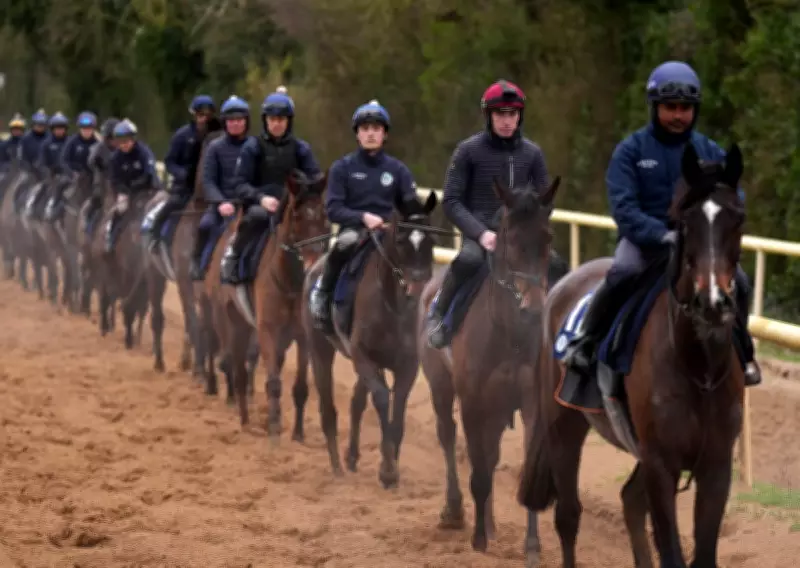
Irish Dominance Poses Major Challenge for British Stables at Cheltenham Festival
The Cheltenham Festival, a premier event in the horse racing calendar, is witnessing a significant shift in competitive dynamics, with Irish stables increasingly overshadowing their British counterparts. This trend has sparked widespread concern among British trainers and owners, who fear that the growing Irish dominance could undermine the festival's traditional balance and prestige.
Rising Irish Success and British Concerns
In recent years, Irish-trained horses have secured a disproportionate number of victories at the Cheltenham Festival, highlighting a stark contrast in performance levels. British stables are grappling with this reality, as the consistent success of Irish competitors points to potential gaps in training methodologies, investment strategies, and overall preparation. Experts suggest that the Irish approach, which often emphasises rigorous conditioning and strategic race planning, may be yielding superior results on the challenging Cheltenham course.
The festival, held annually in Gloucestershire, is renowned for its high-stakes races and attracts top talent from across the UK and Ireland. However, the increasing Irish wins have led to calls for British stables to reassess their practices. Some analysts attribute the disparity to stronger financial backing and more focused breeding programmes in Ireland, which enable trainers to develop horses specifically tailored for Cheltenham's unique demands.

Implications for the Future of British Horse Racing
If current trends persist, the dominance of Irish stables could have long-term repercussions for British horse racing. There are fears that reduced success at major events like the Cheltenham Festival might deter investment in British breeding and training facilities, potentially weakening the domestic industry. Additionally, the psychological impact on British jockeys and trainers, who may feel demoralised by repeated losses, could affect performance and innovation in the sport.
To address these challenges, British stakeholders are exploring various strategies. These include enhancing collaboration between trainers, increasing funding for youth development programmes, and adopting more data-driven training techniques. Some advocates also propose revising race schedules to better prepare British horses for the specific conditions at Cheltenham.
A Call for Action and Adaptation
The situation underscores a critical moment for British horse racing, as it faces intense competition from a resurgent Irish sector. While the Cheltenham Festival remains a highlight of the sporting year, its future competitiveness may depend on how effectively British stables can adapt and innovate. Observers note that embracing change and learning from Irish successes could be key to restoring balance and ensuring the festival continues to thrive as a showcase of elite horse racing talent.
In summary, the rising Irish dominance at the Cheltenham Festival serves as a wake-up call for British stables. By addressing underlying issues in training and investment, the British horse racing community can strive to reclaim its competitive edge and uphold the festival's storied tradition.