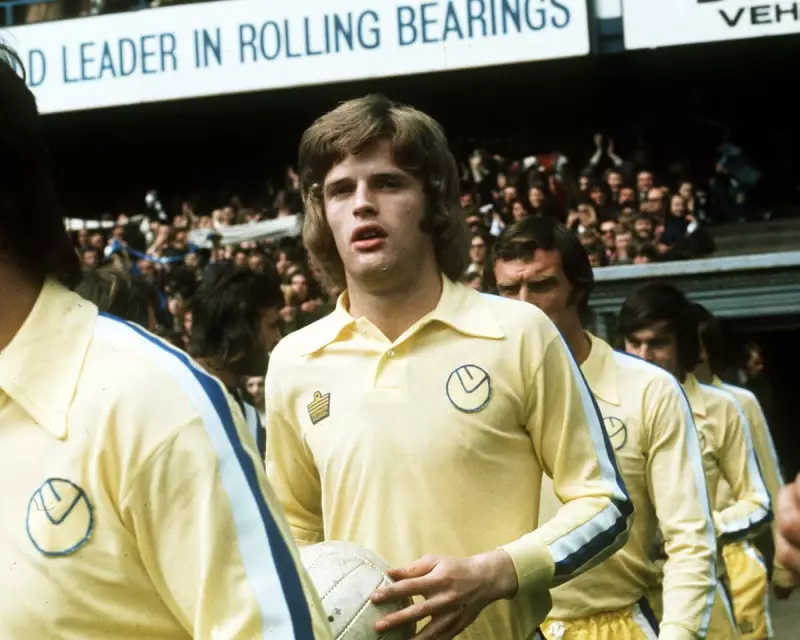
A coroner has determined that heading footballs was likely a contributing factor in the brain injury suffered by the late Scotland and Manchester United defender Gordon McQueen. The findings have sparked renewed debate over the long-term health risks associated with this common aspect of the beautiful game.
Details of the Coroner's Report
The inquest into McQueen's death revealed that his prolonged exposure to heading the ball during his professional career from the 1970s to 1980s probably played a significant role in the development of his brain injury. McQueen, who passed away in 2023 at the age of 70, had been diagnosed with a neurodegenerative condition linked to repetitive head impacts.
Implications for Football Safety
This ruling adds to a growing body of evidence suggesting that heading in football can lead to serious neurological issues, including chronic traumatic encephalopathy (CTE). It follows similar concerns raised in other contact sports like rugby and boxing, prompting calls for stricter safety protocols and further research into protective measures for players at all levels.

Key points from the coroner's findings include:
- The likelihood that McQueen's brain injury was exacerbated by frequent heading during matches and training sessions.
- A recommendation for increased awareness and education about the potential risks among current and former players.
- Urgent calls for governing bodies to review guidelines on heading practices, especially in youth football.
Reactions from the Football Community
Former teammates and sports health experts have expressed concern, noting that McQueen's case highlights the need for ongoing monitoring of players' neurological health. Some have advocated for limits on heading drills in training and better support for retired athletes dealing with similar conditions.
This development underscores the importance of balancing tradition with player welfare in sports, as more cases emerge linking repetitive head trauma to long-term brain damage.