The Ballon d'Or, football's most prestigious individual award, has always been an oddity in a sport that has been resolutely a team game since systems football began in 1963. That year, in the European Cup final at Wembley, a cynical foul by Milan's Gino Pivatelli on Benfica's Mário Coluna broke a bone in the playmaker's foot, and Milan won 2-1, registering the first victory for a team that prioritised the system over the individual.
The 1956 precedent
When the Ballon d'Or launched in 1956, the paradox of individual awards was less pronounced. The choice of Stanley Matthews, then 38, looks odd from today's perspective. Blackpool had finished second in the First Division, 11 points behind Manchester United, and had gone out of the FA Cup in the third round. There were strong cases for Duncan Edwards, Tommy Taylor, Bert Trautmann, Alfredo Di Stéfano, and others. The inaugural award was something of a lifetime achievement award.
Perhaps that is fine. Maybe the award should recognise longevity. It's certainly not just about how much a player wins in a given year. If it were, Fabián Ruiz would be a hot favourite, having won the World Cup, the Champions League and Ligue 1 this season.
This year's contenders
According to its website, the Ballon d'Or is "awarded based on three essential pillars … individual performance, team achievements, and class combined with fair play." Team achievement is perhaps easiest to isolate. PSG have largely ditched their egos as Luis Enrique has led them to back-to-back Champions Leagues, but it's hard to tease out which of their exceptional front three has been the most important. Ousmane Dembélé won that battle last year, while Khvicha Kvaratskhelia was arguably the standout this year.
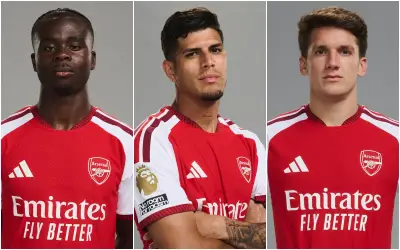
Real Madrid have just endured one of only five trophyless seasons this century, which weakens the claims of Kylian Mbappé, Jude Bellingham and Vinícius. Lionel Messi had great moments at the World Cup but playing in MLS reduces his chances. Arsenal's strength is the collective, and only three of the 30-man shortlist are Arsenal players.
Kane's remarkable record
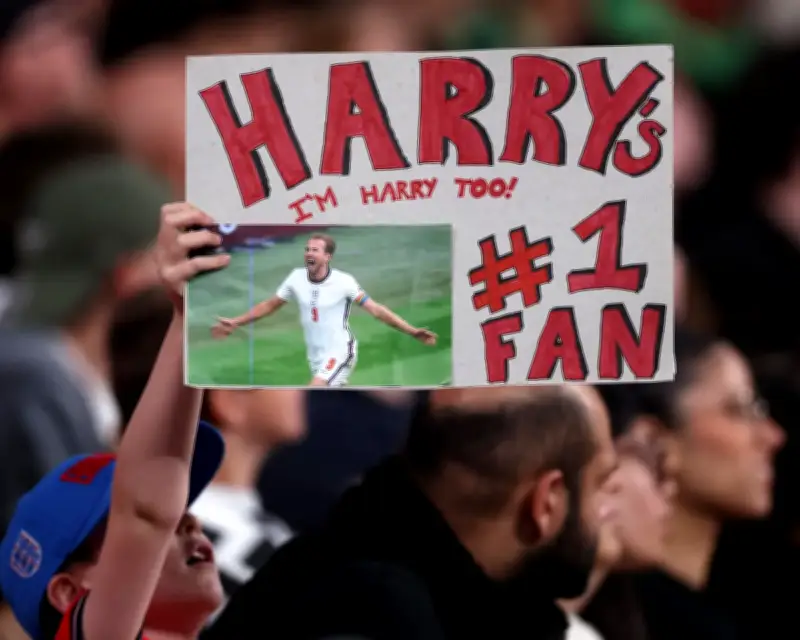
Harry Kane's case rests on his remarkable record: 61 goals in 51 club games last season for Bayern Munich, plus six at the World Cup, where he won the game against the Democratic Republic of the Congo almost by force of individual will.
In a season without an obvious outstanding candidate, there seems a strong possibility that the panel, just as it did in 1956, will reward consistency and longevity.