France has stated it is not currently planning to boycott the upcoming soccer World Cup in the United States, even as diplomatic tensions escalate over former President Donald Trump's renewed efforts to gain control of Greenland. Sports Minister Marina Ferrari addressed the issue directly, emphasising that the focus remains on the sporting event itself.
Minister Ferrari's Statement on Sports and Politics
In a press briefing on Tuesday evening, Sports Minister Marina Ferrari clarified France's position, stating, "At the moment we are speaking, there is no desire from the ministry to boycott this major, much-anticipated competition." She added a note of caution, however, by remarking, "That said, I am not prejudging what might happen." Ferrari stressed her commitment to keeping sports separate from political disputes, highlighting the importance of the tournament for fans worldwide.
Political Backdrop and Calls for Boycott
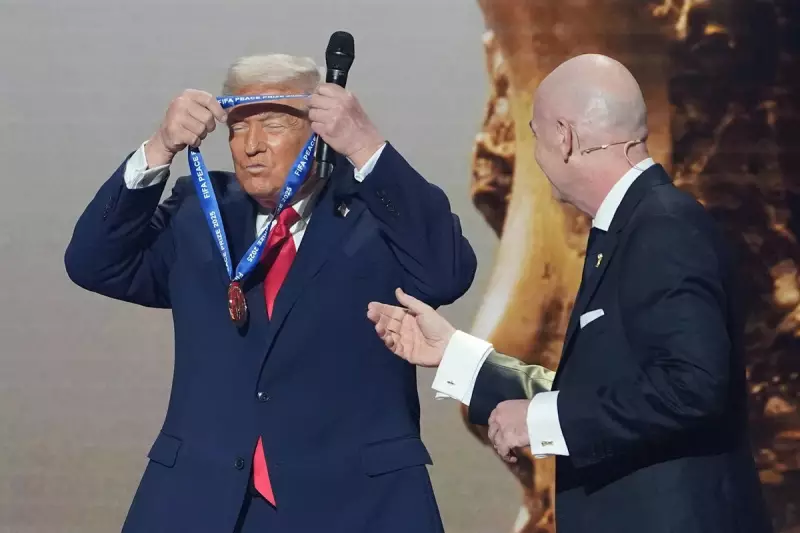
The 2026 World Cup, set to kick off in June across the United States, Canada, and Mexico, is unfolding against a backdrop of international strain. Trump's ambitions to wrest control of Greenland from Denmark, a NATO ally, have sparked concerns about damaging relations with European partners. In France, leftist lawmaker Eric Coquerel has publicly advocated for considering a boycott, given the geopolitical implications.
Coquerel questioned the feasibility of participating in the event, posting on social media, "Seriously, can we really imagine going to play the footie World Cup in a country that attacks its 'neighbors,' threatens to invade Greenland, undermines international law, wants to torpedo the UN?" He suggested that the tournament could potentially be refocused on Mexico and Canada as an alternative.
France's Soccer Legacy and Future Prospects
As a two-time winner of the men's World Cup, France holds a significant place in soccer history, having last reached the final in 2022 where they lost to Argentina. The current debate over a boycott reflects broader anxieties about how global politics might intersect with major sporting events. While the government maintains a stance of non-boycott for now, the situation remains fluid, with potential for future developments depending on diplomatic shifts.
The discussion underscores the delicate balance between athletic competition and international relations, as nations navigate complex issues like sovereignty and alliance dynamics. For now, French officials are prioritising the unity and excitement that the World Cup brings to sports enthusiasts, but they acknowledge that political circumstances could influence decisions down the line.