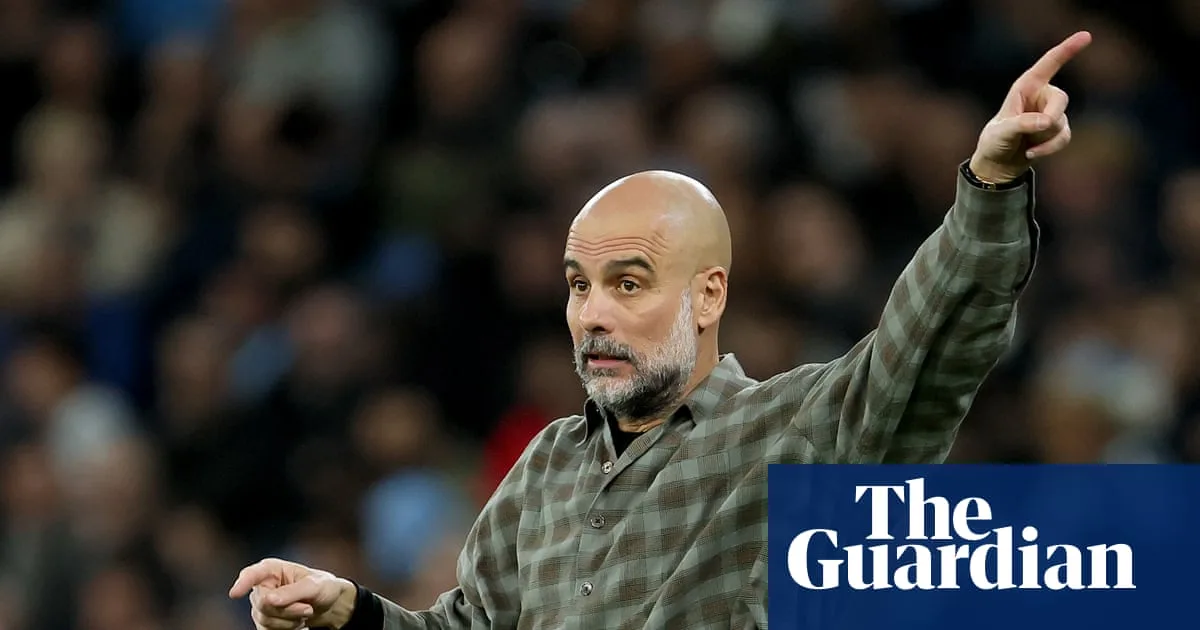
Football Managers' Fashion: When Wardrobe Choices Speak Louder Than Tactics
Football Managers' Fashion: Wardrobe Speaks Louder Than Tactics

The Rise of Fashion as a Communication Tool in Football Management

In the high-stakes world of professional football, where every tactical move is scrutinised, an unexpected element has emerged as a key communicator: the manager's wardrobe. Beyond the touchline and press conferences, what a manager wears is increasingly seen as a deliberate statement, often speaking volumes about their personality, strategy, and even the club's culture. This trend reflects a broader shift where image and branding have become integral to the sport's modern landscape.

How Clothing Conveys Messages Beyond the Pitch

Football managers are no longer just judged by their formations or substitutions; their fashion choices are now under the microscope. A sharp, tailored suit might signal professionalism and control, suggesting a manager who values discipline and precision. In contrast, casual attire, such as a tracksuit or polo shirt, can imply a hands-on, approachable style, emphasising a focus on grassroots coaching and player connection. These sartorial decisions are not accidental; they are carefully curated to influence perceptions among fans, players, and the media.

For instance, some managers use their wardrobe to project confidence during critical matches, opting for bold colours or distinctive accessories that stand out on the sidelines. Others might choose understated, classic outfits to convey stability and tradition, aligning with a club's heritage. This visual communication can reinforce tactical messages, such as aggression or caution, without a single word being spoken. As football becomes more media-driven, these fashion statements amplify a manager's presence, making them memorable figures both on and off the field.

Wide Pickt banner — collaborative shopping lists app for Telegram, phone mockup with grocery list

The Impact on Branding and Fan Engagement

The influence of a manager's wardrobe extends beyond personal image to affect club branding and fan engagement. In an era where social media amplifies every detail, a manager's fashion sense can become a talking point, generating buzz and even merchandise opportunities. Clubs may leverage this by collaborating with designers or brands, turning the touchline into a runway that showcases partnerships and sponsorships. This not only boosts commercial revenue but also enhances the club's global appeal, attracting fashion-conscious audiences who might not traditionally follow football.

Moreover, fans often interpret a manager's attire as a reflection of the team's ethos. A well-dressed manager might be seen as instilling pride and professionalism in the squad, while a more relaxed style could resonate with supporters who value authenticity and humility. This connection can strengthen fan loyalty, as supporters feel a deeper bond with a manager whose appearance aligns with their values. Ultimately, the wardrobe has become a subtle yet powerful tool for shaping narratives and building a cohesive brand identity in the competitive world of football.

Challenges and Criticisms of Fashion Focus in Football

Despite its growing prominence, the emphasis on fashion in football management is not without controversy. Critics argue that it distracts from the core aspects of the game, such as tactics and player performance, potentially undermining a manager's credibility if perceived as overly image-conscious. There is also a risk of superficial judgments, where a manager's success is unfairly linked to their style rather than their coaching abilities. This can lead to pressure to conform to certain fashion norms, stifling individuality and authenticity.

Additionally, the focus on wardrobe choices may exacerbate inequalities, as managers from wealthier clubs or backgrounds might have access to high-end fashion, creating a divide in perceptions. However, proponents counter that fashion is simply another form of expression in a sport that thrives on personality and drama. By embracing this trend, managers can humanise themselves, making the game more relatable and engaging for diverse audiences. As football continues to evolve, the balance between style and substance will likely remain a topic of debate, highlighting the complex role of fashion in modern sports culture.

Pickt after-article banner — collaborative shopping lists app with family illustration