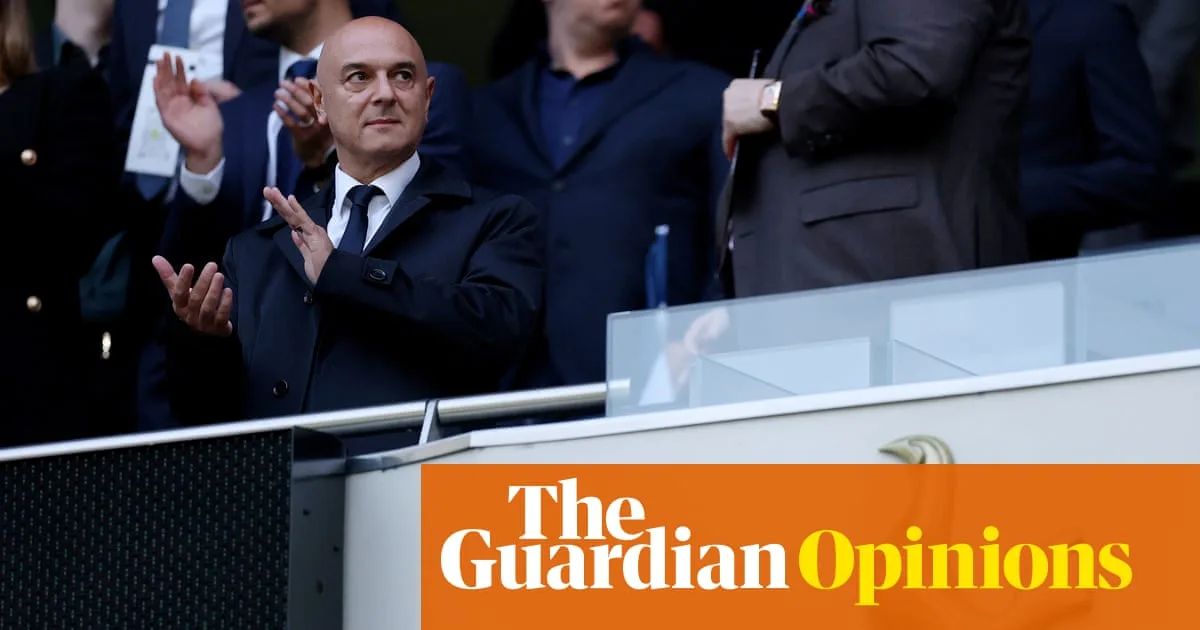
Daniel Levy's tenure as Tottenham Hotspur chairman has been marked by significant off-pitch achievements, including the construction of a state-of-the-art stadium and training ground, and diversification into NFL, rugby, and concerts. However, his focus on financial prudence and lack of silverware have left fans frustrated, leading to protests and his eventual resignation.
Levy's decision to step down came as a shock, though hints had emerged earlier. In February, he said 'all options are open' regarding fan demands for his resignation, and last month he remarked to Gary Neville that he would get credit only after leaving. At 63, he missed a Uefa Super Cup final to help his daughter settle at university, suggesting a shift in priorities.
The club had begun restructuring, appointing former Arsenal executive Vinai Venkatesham as CEO and bringing Peter Charrington onto the board. Charrington now becomes nonexecutive chair. The Lewis family, which owns Enic, appears to have pushed for a new approach, though Levy's 29.88% stake and his status as the best-paid Premier League chair had been a point of contention for fans.
Under Levy's 24-year leadership, Tottenham reached 16 semi-finals and seven finals, but won only the League Cup in 2008 and the Europa League last season. Critics argue that a more aggressive transfer strategy could have yielded more trophies, but Levy's caution was partly forced by the £1bn cost of the new stadium, which restricted spending elsewhere.
Key frustrations include the poor reinvestment of Gareth Bale's £85m fee and the failure to strengthen the squad after 2017-18, when Tottenham finished in the top three for three consecutive seasons. The lack of signings in summer 2018 and failure to sell players led to Mauricio Pochettino's dismissal, and José Mourinho's appointment was seen as a misjudged attempt at ambition.