Coroner Finds Heading Footballs 'Likely' Contributed to Scotland Star's Brain Injury
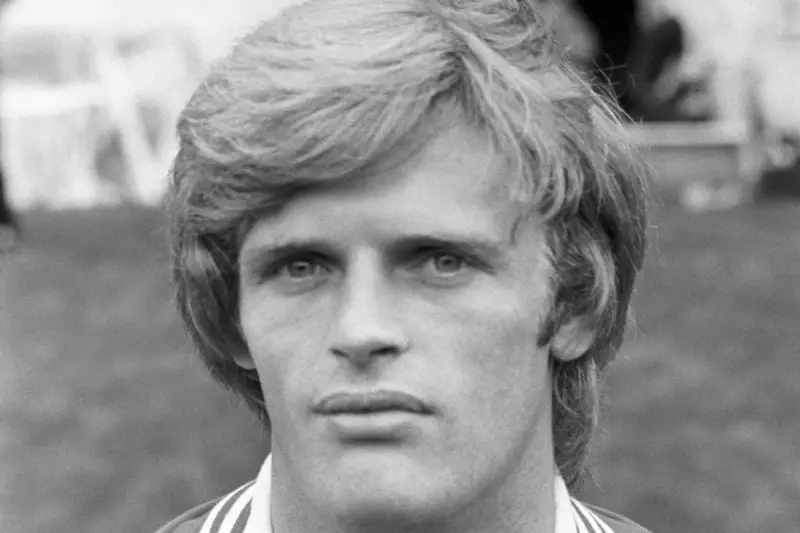
A coroner has concluded that heading footballs likely contributed to the brain injury which was a factor in the death of former Scotland and Manchester United defender Gordon McQueen. The inquest into the 70-year-old's passing heard detailed evidence linking his professional career to a degenerative brain condition.
Inquest Findings and Medical Evidence
Coroner Jon Heath delivered a narrative conclusion at Northallerton Coroner's Court in North Yorkshire, finding that McQueen died from pneumonia as a consequence of mixed vascular dementia and chronic traumatic encephalopathy (CTE). The coroner stated explicitly: "It is likely that repetitive head impacts sustained by heading the ball while playing football contributed to the CTE."
The inquest heard that McQueen passed away at his North Yorkshire home in June 2023, having become frail and bed-bound for months prior to his death from pneumonia. That frailty was medically attributed to a combination of vascular dementia and CTE - a brain disorder directly linked to repeated head impacts.

Family Testimony and Career Impact
McQueen's daughter, television presenter Hayley McQueen, attended the inquest and provided poignant testimony about her father's decline. She recalled how her father had himself acknowledged that "heading a football for all those years probably hasn't helped" when discussing his dementia diagnosis.
She described her father as having been relatively injury-free during his playing days, though he did suffer some concussions. "They would just head back out and play," she noted, reflecting the different attitudes toward head injuries in previous footballing eras. Ms McQueen also remembered her father returning from Manchester United training sessions with headaches so severe he would lie in darkened rooms.
The family began noticing personality changes after McQueen's 60th birthday, with the formerly sociable and outgoing defender becoming increasingly withdrawn.
Distinguished Football Career
Gordon McQueen enjoyed a distinguished 16-year professional career that saw him:
- Earn 30 caps for Scotland between 1974 and 1981
- Play for Leeds United from 1972, helping them win the league title in 1973-74 and reach the European Cup final in 1975
- Transfer to Manchester United in 1978, winning the FA Cup in 1983
- Establish himself as a central defender renowned for scoring goals from set-pieces, frequently using his head
Injury prevented him from appearing in the 1978 World Cup after being named in Scotland's squad. Following retirement, McQueen worked as a manager, coach, and later as a television pundit for Scottish TV and Sky Sports.
Scientific Research and Brain Donation
The inquest heard that McQueen's family donated his brain to Professor Willie Stewart, a consultant neuropathologist at Glasgow's Queen Elizabeth University Hospital who has conducted extensive research into brain injuries in footballers and rugby players.
Professor Stewart confirmed finding evidence of both CTE and vascular dementia in McQueen's brain tissue. When asked whether heading footballs contributed to the CTE, and whether that condition contributed significantly to McQueen's death, Professor Stewart agreed on both counts, noting that McQueen had experienced "high exposure" to heading footballs throughout his career.
This case adds to growing medical evidence about the potential long-term risks associated with repeated head impacts in contact sports, particularly concerning the practice of heading footballs.