A coroner has concluded that repetitive head impacts from heading the football during his professional career "likely" contributed to the brain disease that ultimately led to the death of Scotland legend Gordon McQueen.
Inquest Findings in North Yorkshire
The inquest, held in Northallerton, North Yorkshire, delivered a narrative conclusion that directly linked McQueen's 16-year football career to the chronic traumatic encephalopathy (CTE) that was a significant factor in his passing. The former Manchester United and Leeds defender died at his North Yorkshire home in June 2023 at the age of 70.
Medical Causes of Death
McQueen's death was officially attributed to pneumonia, which developed due to frailty caused by mixed vascular dementia and CTE. The coroner's investigation specifically highlighted how the repetitive trauma from heading the ball during matches and training sessions likely played a crucial role in developing the degenerative brain condition.

Football Career and Legacy
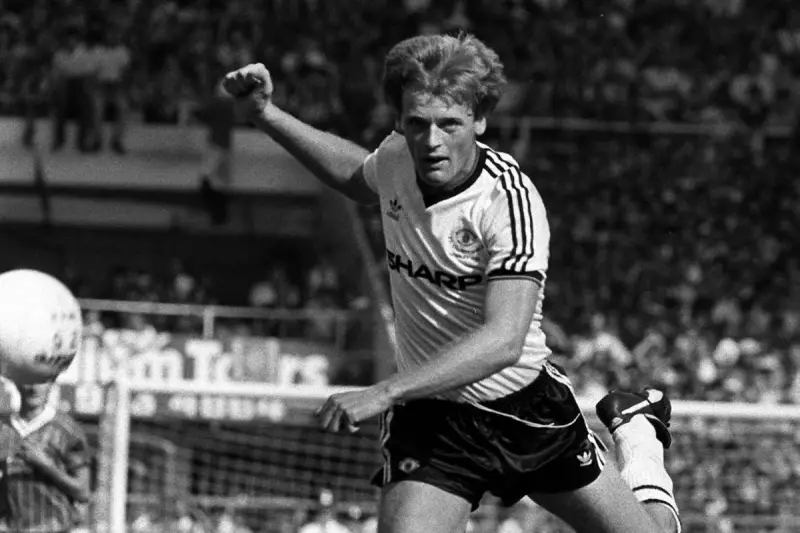
Gordon McQueen earned 30 caps for Scotland between 1974 and 1981, establishing himself as one of the country's most respected defenders. His club career spanned prominent English teams, most notably Manchester United and Leeds United, where he was known for his aerial prowess and physical presence on the pitch.
The inquest findings add to growing concerns about the long-term neurological risks associated with heading in football, particularly for players from earlier eras who used heavier balls and different training methods. McQueen's case represents another high-profile example of how football's physical demands can have devastating consequences decades after retirement.
This ruling comes amid increasing scrutiny of head injuries in contact sports and ongoing discussions about protective measures for current and former players. The coroner's explicit connection between McQueen's football career and his brain disease provides significant evidence in the broader conversation about sports-related head trauma.