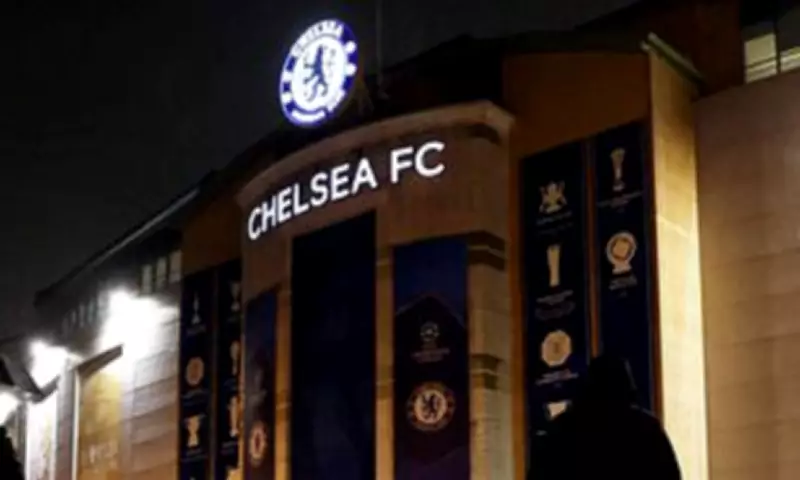
An obscure UEFA regulation could significantly undermine Chelsea's prospects in the Champions League knockout stages, despite their recent qualification for the last-16.
Qualification Overshadowed by Scheduling Dilemma
The Blues secured their place in the next round with a hard-fought 3-2 away victory against Napoli on Wednesday evening. However, this achievement is now clouded by the possibility that they may be compelled to relinquish home advantage for their upcoming last-16 tie.
The Core of the UEFA Regulation
UEFA's rules stipulate that only one match can be held within a city on any single night to ensure adequate policing and security resources are not overstretched. With Arsenal and Tottenham Hotspur having finished above Chelsea in the group stage, they are granted priority for the scheduled Tuesday and Wednesday night fixtures on March 17th and 18th.

Consequently, Chelsea might be forced to host their crucial home leg at a neutral stadium, rather than at their iconic Stamford Bridge ground. This scenario would represent a substantial blow to the team's tactical preparations and fan support.
Navigating the Regulatory Maze
For knockout phase matches, UEFA mandates that national associations and clubs must pre-identify and announce an alternative stadium within the match week. The team with the lower ranking from the league phase is typically required to utilise this alternative venue.
Nevertheless, a provision exists where a qualified team may opt to reverse the tie order, playing the first leg at home instead of the second leg at a neutral ground, provided they inform UEFA administration before the draw.
Chelsea's potential pathways include seeking special dispensation from UEFA to waive the rule, coupled with obtaining support from London authorities to host the clash. Alternatively, they could request to play on a Thursday, outside the conventional Champions League slots, though this would necessitate broadcaster scheduling changes that may prove difficult to secure.
Broader Implications and Current Stance
UEFA has clarified that teams cannot play in the same stadium, city, or in cities within 30 miles of each other on a matchday. A statement from the governing body indicated: 'Discussions on scheduling are ongoing with local authorities regarding city clashes for upcoming matches, including those to be played in March.'
This situation highlights the intricate balance between logistical planning and competitive fairness in European football. While multiple London matches frequently occur on weekends without issue, the concentrated midweek Champions League schedule presents unique challenges.
Chelsea are set to face one of Monaco, Qarabag, Newcastle United, or Paris Saint-Germain in the last-16. Surrendering home advantage could critically impact their chances of progressing further in the tournament, making resolution of this scheduling conflict a paramount concern for the club.