Casemiro's Impending Departure Exposes Manchester United's Midfield Vulnerability
Casemiro Exit Exposes Man United's Midfield Weakness

How Casemiro's Impending Exit Reveals Manchester United's Critical Midfield Weakness

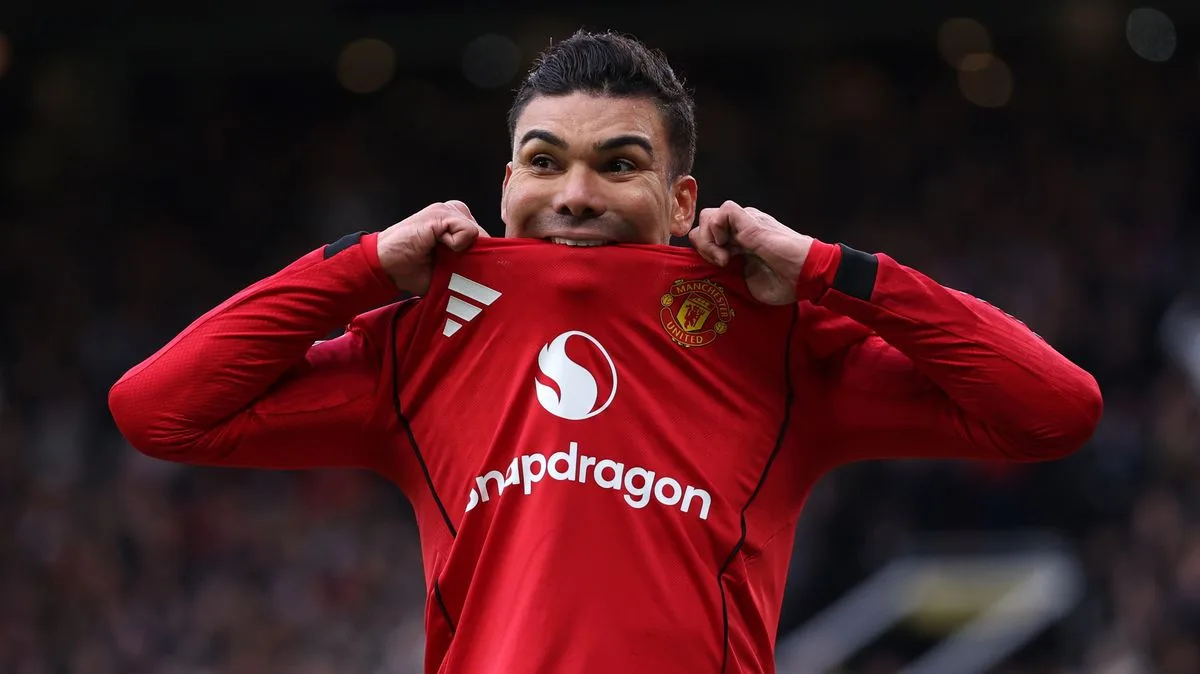
The Stretford End's vocal tributes during Manchester United's dramatic 3-2 victory over Fulham on Sunday told a revealing story. While nostalgic chants celebrated former midfielder Michael Carrick, the most persistent and passionate acclaim was reserved for Casemiro, whose long goodbye at Old Trafford has begun in earnest. The Brazilian's impending summer departure exposes a significant vulnerability that could undermine United's Champions League aspirations.

A Transformative Presence Facing Farewell

Casemiro's United journey has been remarkable in its contrasts. He arrived as a talismanic figure who transformed the midfield, endured periods where he became something of a laughing stock as his mobility declined, and now appears set to depart as a cult hero. Sunday's match against Fulham provided compelling evidence of why his absence will leave a substantial void that the club must urgently address.

The statistics tell a revealing story about United's dependency. This season has already demonstrated their over-reliance on a player who turns 34 this month. When Casemiro was substituted against Fulham, with United seemingly cruising toward victory, Marco Silva's side mounted a comeback to level the score at 2-2. This marked the third occasion this campaign where United have conceded twice following Casemiro's second-half withdrawal, with similar collapses occurring against Brighton and Tottenham.

The Concerning Drop-Off in Quality

What makes this pattern particularly troubling is that Casemiro played at least 70 minutes in each of those matches before being replaced. While his mobility has diminished from his peak years, United consistently lose midfield control when he departs the pitch. This could be attributed to the aura and experience of a five-time Champions League winner, or perhaps it highlights the shortcomings of his replacement, Manuel Ugarte.

The club's decision not to strengthen their midfield options last summer now appears questionable, especially given the evident drop-off in quality when Casemiro isn't on the field. United's stirring bid for Champions League qualification could be derailed by a single Casemiro injury, such is his importance to the team's structure and balance.

Remarkable Attacking Contributions

Yet United's 2-0 lead against Fulham also originated from Casemiro's influence. He scored the opening goal with a powerful header from Bruno Fernandes' free-kick and created the second with a cleverly disguised pass. For a player primarily considered a defensive midfielder, Casemiro has proven remarkably effective in attacking areas throughout his United tenure.

His goal against Fulham was his 22nd in 148 appearances for the club. To provide context, this equals the total achieved by Marouane Fellaini, who was frequently deployed as an attacking midfielder, in 29 more games. Among holding midfielders, Casemiro sits just two goals behind Michael Carrick, who required 316 additional matches to reach 24 United goals.

Historical Comparisons and Crucial Moments

Casemiro's scoring rate of one goal every 6.72 games surpasses notable United midfielders from previous eras. Paul Ince averaged a goal every 9.68 matches, while Roy Keane found the net every 9.41 games, despite both beginning their Old Trafford careers as more box-to-box players.

Beyond the statistics, Casemiro has delivered in crucial moments. His most significant contribution came in the 2023 Carabao Cup final, where his man-of-the-match performance against Newcastle secured silverware. His first United goal was a 94th-minute equaliser against Chelsea at Stamford Bridge, while his last great European display featured in the remarkable 5-4 victory over Lyon, where he won a penalty and provided two assists in extra time.

A Complex Legacy and Future Challenges

Casemiro's United career appears destined to conclude with a fond farewell from supporters, despite representing questionable business from a financial perspective. The £63 million signing will depart on a free transfer after costing the club over £300,000 weekly in wages during a four-season stint that has yielded only one truly impressive campaign.

Yet his impact cannot be measured solely in financial terms. Casemiro served as a catalyst during his debut season, instilling confidence and charisma into the midfield. Following an 18-month period where he appeared exposed and embarrassed by opponents' pace and power, the last year has witnessed a remarkable restoration of his status as an automatic selection.

As the chants at Old Trafford demonstrate, Casemiro will leave a substantial void that United must address. The challenge facing the club's recruitment team is formidable: finding a midfielder who can provide similar defensive solidity while matching Casemiro's unexpected attacking threat. The reality is that whoever replaces him is unlikely to offer comparable goal threat from a defensive midfield position, exposing a vulnerability that could define United's upcoming season.