BBC Refuses Licence Fee Funding for Pundits' Rival Podcast Work During World Cup
BBC Won't Fund Pundits' Rival Podcasts at World Cup

The BBC has taken a firm stance on its financial commitments during this summer's World Cup, declaring that licence fee payers' money will not be used to subsidise leading pundits who choose to work for rival podcast operations. This decision creates significant logistical and financial implications for high-profile football personalities involved in external media projects.

Financial Boundaries and Environmental Considerations

Cost constraints and environmental considerations have led the BBC to base its primary World Cup presentation from its Salford studios for most of the tournament. This domestic approach represents a strategic shift from previous international football events and directly impacts how pundits can participate in external media ventures during the competition.

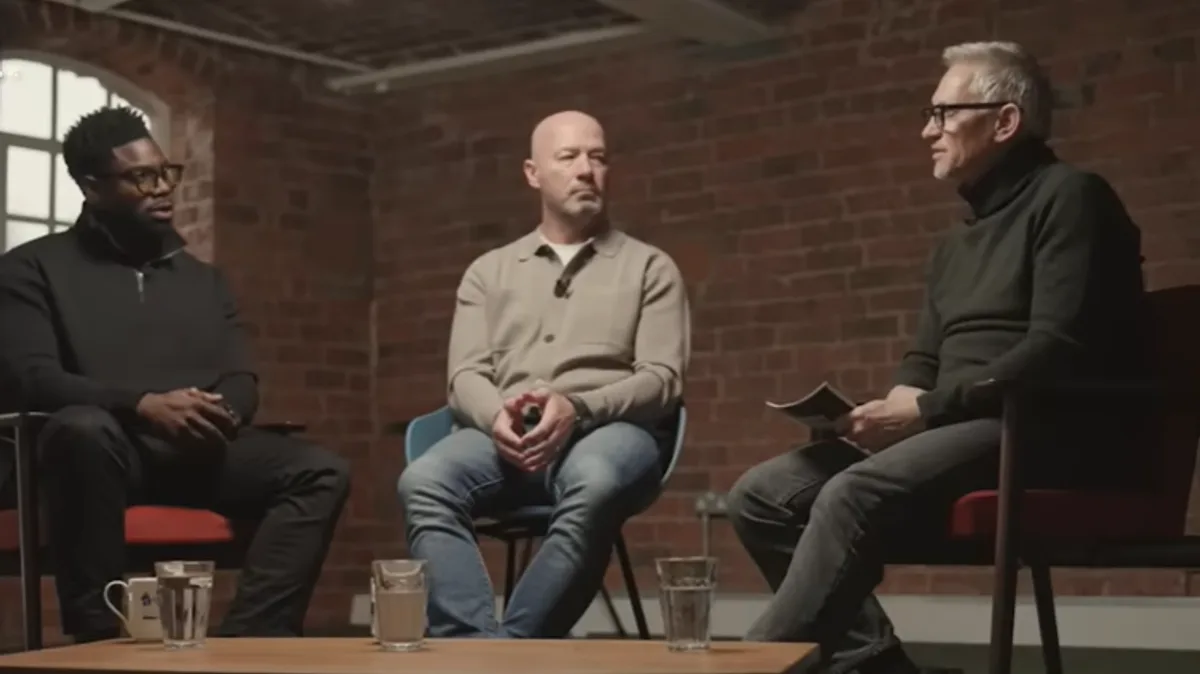
Micah Richards, who is expected to play a prominent role in the BBC's World Cup coverage, has simultaneously committed to appearing on The Rest is Football podcast. This popular show will be presented by Gary Lineker from New York, creating a geographical challenge that the BBC has made clear it will not financially support.

Production Complications and Netflix Partnership

The situation has become increasingly complex due to The Rest is Football's enhanced production standards this summer, resulting from a substantial distribution agreement with Netflix. The streaming giant secured rights to the podcast through a £14 million deal with Lineker's production company, Goalhanger, agreed just last month.

This Netflix arrangement includes a commitment to produce more than forty video podcast episodes during the World Cup period, with the streaming platform naturally seeking to feature as many high-profile football personalities as possible. The enhanced production values and contractual obligations create additional pressure for participant availability.

Historical Context and Current Challenges

During Euro 2024, the then-BBC trio of Gary Lineker, Micah Richards, and Alan Shearer successfully recorded episodes of The Rest is Football together in Berlin. However, the current landscape has shifted dramatically with the BBC's decision to maintain domestic operations and Lineker's separation from the corporation last year.

These developments have created substantial obstacles for collaborative filming during the World Cup. The geographical separation between the BBC's Salford base and Lineker's New York location presents particular challenges for coordinated content creation.

Travel Arrangements and Financial Responsibilities

The BBC has communicated to its pundits that while it permits them to undertake other media work during the World Cup, it will not contribute financially to these external engagements. Consequently, any travel expenses incurred by Richards for The Rest is Football appearances must be covered entirely by Netflix or Goalhanger Productions.

Alan Shearer's situation differs somewhat, as he will be in the United States throughout the tournament fulfilling co-commentary duties for the BBC. This geographical proximity increases the likelihood of him presenting podcast episodes alongside Lineker in person, though financial arrangements remain separate from BBC funding.

BBC's Domestic Presentation Team

The BBC's Match of the Day presenting team, including Mark Chapman, Kelly Cates, and Gabby Logan, will primarily operate from the Salford studio complex during the World Cup. However, the corporation has indicated that one or more presenters might travel to the United States later in the tournament, particularly if home nations like England or Scotland progress to the latter stages.

These presenters will also maintain podcasting responsibilities during the competition as hosts of The Sports Agents, though these programmes are expected to be recorded remotely rather than through in-person collaborations.

Environmental and Format Considerations

The BBC's decision to base its World Cup coverage in the United Kingdom has been influenced by multiple factors beyond simple cost considerations. The substantial travel distances involved in a North American tournament would significantly impact the corporation's commitment to reducing its carbon footprint, an increasingly important consideration in modern broadcasting.

Furthermore, the expansion of the World Cup to forty-eight teams, resulting in an increase from sixty-four to one hundred and four matches, has affected broadcasting strategies. Despite this expanded schedule, the BBC has confirmed that its matches will be shown on main channels rather than exclusively on iPlayer, with UK broadcasting rights shared with ITV.

Both the BBC and representatives for The Rest is Football have declined to comment further on the financial arrangements or logistical challenges surrounding pundit participation in external media projects during the tournament.