BBC Star Recalls Winter Olympics 'Boob-Gate' Bra Ban Over Aerodynamics
BBC Star's Winter Olympics Bra Ban Over Aerodynamics Issue

BBC Star Recalls Winter Olympics 'Boob-Gate' Bra Ban Over Aerodynamic Concerns

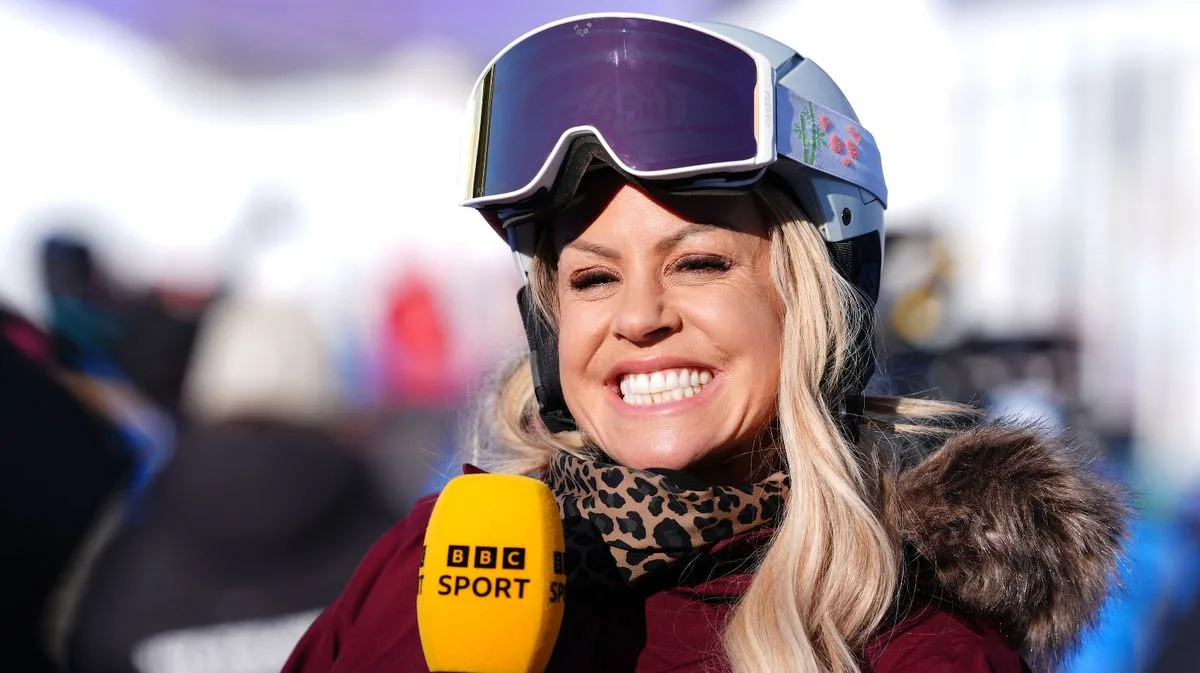
Former British skiing star Chemmy Alcott has opened up about a controversial 'boob-gate' incident at the Winter Olympics, where she was barred from wearing a prosthetic chest plate due to aerodynamic issues. The revelation comes amid the current Games in northern Italy being dominated by a 'penis-gate' scandal involving ski jumpers.

Alcott's Prosthetic Ban at Vancouver 2010

Speaking on the Sports Agents podcast with Gabby Logan and Mark Chapman, Alcott, 43, recounted her experience at the 2010 Winter Olympics in Vancouver. She had been set to compete with broken ribs, and Team GB doctors fitted her with a synthetic chest plate for protection. However, because she happened to be wearing a Wonderbra that day, the plate was made larger than her natural sizing.

"I tried to race in it and they banned it because it didn't let air through for aerodynamics," Alcott explained. "I was like, 'OK, but I've got these broken ribs and I don't want to get further injured.' So I've got this amazing chest plate that is ready for Lady Gaga in fancy dress!"

Alcott, who has broken over 40 bones throughout her career and competed in four Winter Olympics, finished 11th in the women's downhill race at Vancouver despite the setback.

Parallels to Current 'Penis-Gate' Scandal

The discussion emerged following reports of 'penis-gate' at the ongoing Winter Olympics, where ski jumpers are alleged to have used hyaluronic acid injections to increase the circumference of their genitals. This practice is said to enhance suit surface area, potentially improving flight performance.

Sandro Pertile, FIS ski jumping men's race director, noted: "Every extra centimetre on a suit counts. If your suit has a 5% bigger surface area, you fly further."

While hyaluronic acid is not a banned substance, the World Anti-Doping Agency (WADA) has indicated it could investigate if the practice is proven doping-related. Olivier Niggli, WADA director general, stated: "If anything was to come to the surface, we would look at it and see if it is doping related. We don't address other [non-doping] means of enhancing performance."

Alcott's Post-Retirement Career and Reflections

Since retiring from competitive skiing, Alcott has built a successful media career, including BBC commentary roles. Her story highlights the unusual and often overlooked technical regulations in winter sports, where equipment and attire are scrutinized for competitive fairness.

This episode underscores how aerodynamic considerations can extend beyond typical ski suits to include protective gear, creating unexpected controversies for athletes. Alcott's experience serves as a reminder of the fine balance between athlete safety and sporting regulations in high-stakes competitions like the Winter Olympics.