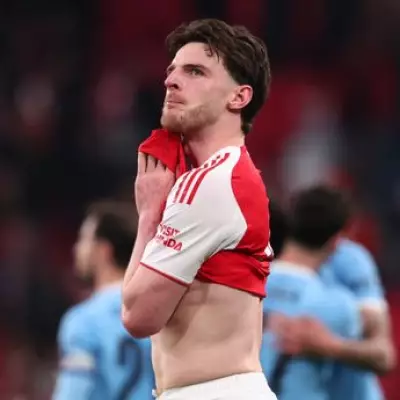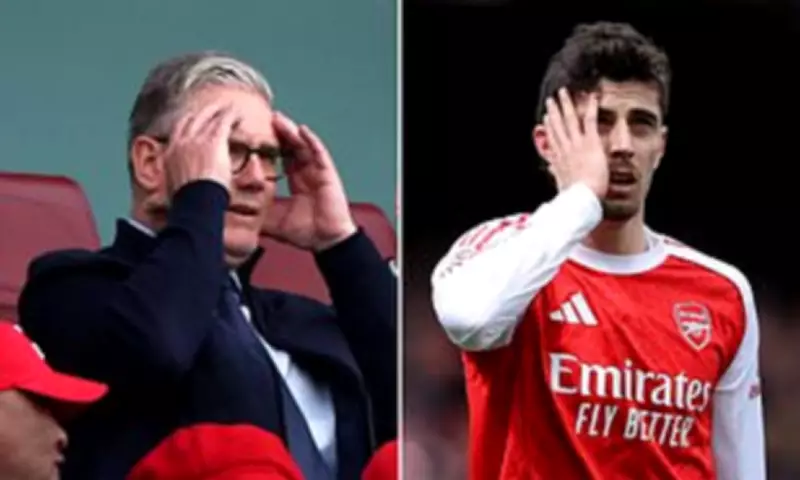
A familiar and unwelcome sensation is once again permeating the atmosphere around Arsenal Football Club. This feeling, which has haunted the Gunners in each of their previous three campaigns and contributed significantly to their habit of finishing as runners-up, has resurfaced with alarming clarity. When the pressure intensifies to its peak, when the margin for error completely disappears, Arsenal consistently find a method to undermine their own ambitions.
The Weight of History and Expectation
The underlying burden of six consecutive years without any major silverware, compounded by a twenty-two-year drought since their last league championship, hangs heavily over the squad. This psychological weight is immense and undeniable. The pressure-cooker environment inside the Emirates Stadium is palpably affecting the players on the pitch. At the final whistle, loud boos echoed around the ground, with supporters refusing to contain their anger and disappointment at the dismal display they had just witnessed.
Manager Mikel Arteta had previously urged fans to bring their 'lunch and dinner and arrive at the game early'. Those who heeded his call were likely left discarding their metaphorical dinners in frustration from the stands. The sheer volume of unforced errors committed by Arsenal was nothing short of astonishing, arguably representing their most error-prone performance of the entire season. Mistake followed mistake in a bewildering sequence that was difficult for any observer to fully comprehend.

A Catalogue of Costly Mistakes
How a team of such evident calibre could make such fundamental and basic errors, which were virtually absent during the earlier phases of the season, remains a perplexing question. Typically reliable midfielder Martin Zubimendi lost possession on multiple critical occasions, including passing the ball directly out of play and straight to opposition players. Defender Gabriel managed to kick the ball into a teammate in his own defensive area, while William Saliba's unfortunate slip nearly created a golden opportunity for the opposition.
Forward Kai Havertz contributed with a series of languid and errant passes. Then, the usually steadfast goalkeeper David Raya produced two errors that perfectly encapsulated the team's collective frailty. First, he attempted an audacious and bizarre outside-of-the-boot pass that deflected dangerously off an opponent's leg, nearly rebounding into his own net or setting up a clear scoring chance. Minutes later, he executed another risky pass to Zubimendi, a move he only narrowly escaped from without conceding.
Arteta's Frank Assessment
Regarding these glaring errors, Arteta offered no defence for his players, instead choosing a path of stark honesty. He stated, 'We were far from efficient. The first chance they had to attack the box, it's a deflection, a bad defending action and it's a goal. That's something we have to recover from. The second half you expect a different game. We did a lot of strange things today.' This was the unmistakable unravelling of a team crippled by nerves and anxiety, a toxic atmosphere that seeped both from the pitch to the stands and back again.
The statistical evidence was utterly damning. Arsenal recorded an expected goals (xG) figure from open play of just 0.19, marking their second-lowest such tally in a match this season, only marginally better than the 0.17 recorded against Crystal Palace back in October. The situation Arsenal now find themselves in would test the resolve and character of any elite side. The pressure is genuinely suffocating, and the consequences of failure are ultimate.
The Forthcoming Crucible
The upcoming week presents a formidable crucible, featuring a Champions League quarter-final second leg against Sporting Lisbon, followed by a crunch, be-all-or-end-all Premier League showdown with Manchester City at the Etihad Stadium next Sunday. There is absolutely no hiding place available. The moment of truth has arrived to determine whether Arsenal genuinely possess the necessary fortitude and courage to finally win a league title.

Arteta's Defensive Dilemma
When the Arsenal team sheet was announced an hour before kick-off, the anticipation and tension around the Emirates Stadium grew even further. For a squad already shorn of key players like Bukayo Saka, Jurrien Timber, Riccardo Calafiori, and Martin Odegaard, significant risks had to be taken in team selection. Upon examining the lineup, the most glaring areas seemingly open to exploitation were the full-back positions occupied by Myles Lewis-Skelly and Ben White.
Lewis-Skelly had made only one previous league start all season, against Brighton on December 27. Meanwhile, White's lacklustre and concerning display in the midweek victory over Sporting Lisbon had raised serious alarms. On that occasion, it was his right flank that the Portuguese side repeatedly targeted, and this tactical focus continued unabated in the latest match.
Tactical Exploitation and Individual Struggles
Opposition manager Andoni Iraola strategically moved attacker Eli Junior Kroupi from a central forward role to operate directly against White on the right flank, a clear retaliation designed to exploit a position where Arsenal were visibly fallible. This tactical manoeuvre worked effectively, with White failing to track his man during the build-up to Kroupi's goal, leaving Adrien Truffert completely free to deliver the cross that led to the score.
The full-back has endured a torrid period with persistent injuries, often playing through significant pain in previous seasons to maintain his availability. Yet, his current form is decidedly off the boil, and he has become a defensive liability at a critical juncture. On a more positive note, Lewis-Skelly did demonstrate some encouraging signs. His ability to wriggle past opponents in tight spaces and progress the ball forward effectively reflected the promising talent he exhibited during his breakout campaign last season.
Looking ahead, a potential solution could involve deploying Cristhian Mosquera as a makeshift right-back in place of the struggling White, at least until the injured Timber returns to full fitness. This could prove a shrewd tactical adjustment for Arteta as he seeks to stabilise his defensive line during this period of intense pressure and high-stakes fixtures.