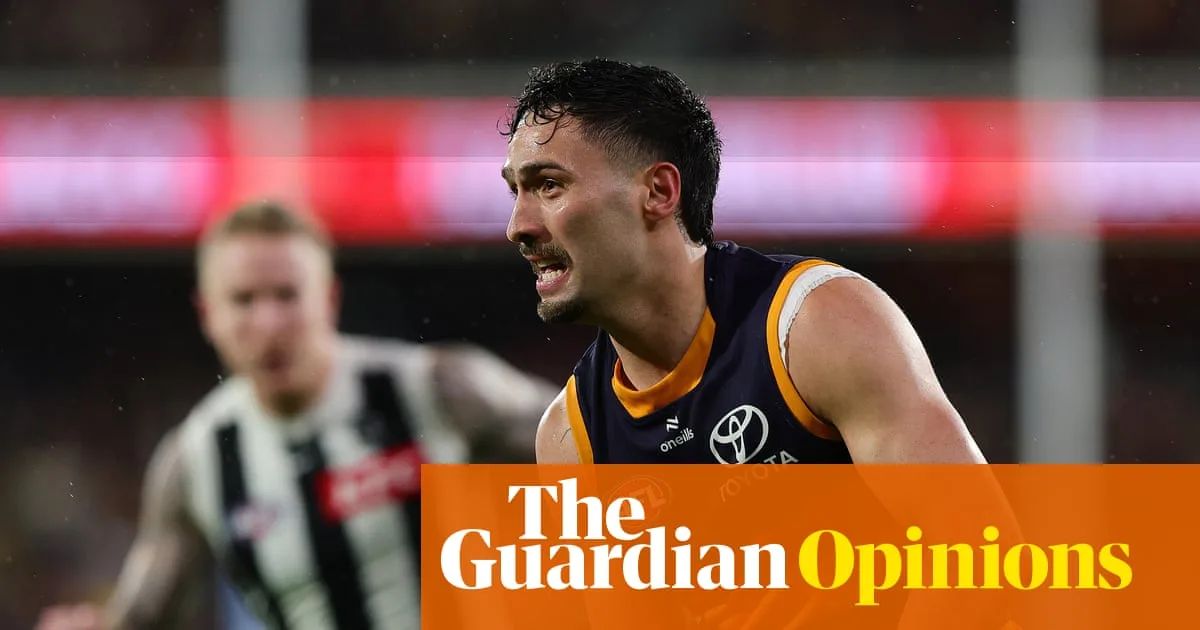
The AFL is facing a 'monumental stress test' in its efforts to tackle homophobia, with Adelaide star Izak Rankine potentially receiving a season-ending suspension on the eve of the finals series. Rankine could join a growing number of players and coaches sanctioned for anti-gay language over the past two seasons, with punishments ranging from suspensions and fines to mandatory sensitivity training.
Rankine's case has attracted particular scrutiny because he is a key player for the league-leading Crows, who are preparing for their first finals campaign since 2017. Much of the media coverage and commentary has focused on how many games he will miss and the implications for Adelaide's title chances, which researchers say demonstrates a shortcoming in how cultural homophobia is understood and communicated.
Research into AFL media coverage of homophobic incidents during the 2024 season found that reporting prioritised on-field consequences, precedent and punishment. This approach imagines homophobia as a problem of individual players to be 'solved' with the right length of suspension, rather than a broader cultural challenge that requires systemic change.
Elite sport has long been linked to homophobia, with traits such as femininity or queerness often seen as threats in environments that value violent masculinity. The AFL is believed to be the only major sporting code in the world where no past or present male player has publicly identified as gay, highlighting the depth of the issue.
The research also found that the tribunal's decision-making process dictates how stories about misconduct are constructed, with themes of 'precedent', 'consistency' and 'fairness' dominating coverage. This led to strange debates, such as the ESPN Footy Podcast awkwardly comparing the severity of different homophobic slurs, with one likened to 'striking' and another to 'bumping'. The reportage often falls short of interrogating the root causes of homophobia.
A 2023 investigation by Louise Milligan for Four Corners, titled 'the silence', found the league resistant to enquiries, underscoring the need for the AFL to move beyond individual punishments and address its culture meaningfully. How the league handles the Rankine case will be telling in this regard.