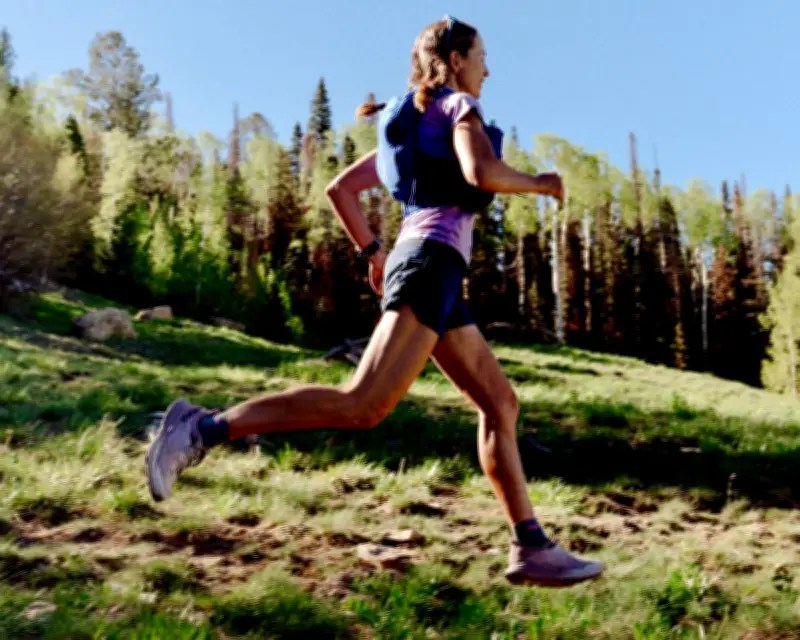
Earlier this year, 62-year-old Karla Wagner placed second in the 100-mile division of the Grandmaster Ultras, an Arizona trail-running event designed for runners aged 50 and over. For most of her adult life, Wagner avoided running because it triggered her asthma. But when asthma medications improved, she added trail running to her fitness mix and became completely hooked in her early fifties.
Why Midlife Is Ideal for Trail Running
Trail running, especially at ultra distances, differs significantly from road running. Trails lead runners through less-developed environments, often up mountains or across deserts, where terrain grows more rugged. Walking on difficult stretches is an integral part of the sport. According to consumer research from 2025, trail running is growing faster than road running. The number of runners who finished an ultra in North America nearly doubled since 2015, reaching 102,714 individuals last year.
Many runners in the grandmaster division found trail running relatively late in life. They are reaping health benefits such as improved cardiovascular health, greater bone density, and social connections. Wagner, a retired OBGYN doctor, believes that running and strength workouts have prevented the weakness and arthritis her mother suffered. Dr. Howard Luks, an orthopedic surgeon and trail runner, notes that the balance and coordination demands of trail running are exactly what ageing neuromuscular systems need.
How to Start Safely
Begin with a base level of fitness. Develop fitness through lower-impact activities like walking first. Anyone with medical issues should check with a doctor. Gradually add slow-pace running by hiking on flat routes and running segments slowly. Dan Rague, a retired teacher, started by running 100 feet and then walking until he caught his breath. Now 62, he runs trails three times a week.
Join a trail-running group, explore local trails, and volunteer at events. Sign up for shorter-distance races like a half marathon. Most events have generous cutoff times. However, Dr. Luks cautions against setting an ultra goal too soon, as ramping up too fast can lead to injury.
Prevent Falls and Invest in Gear
Tripping and falling on rocks and roots is a risk, especially for older runners. Practice on trails and supplement with exercises to improve balance, agility, and power. Lightweight trekking poles can help on steep terrain. Invest in trail-running shoes with good traction and cushioning, and a hydration system for longer outings. Carry water, snacks, sun protection, first aid, and extra clothing.
Being mindful on the trail enhances the experience. Keep ears and eyes open, minimize amplified music, and practice Leave No Trace principles. As Rague says, "There's something about running in nature that's kind of primal. I feel a part of it when I'm out there."