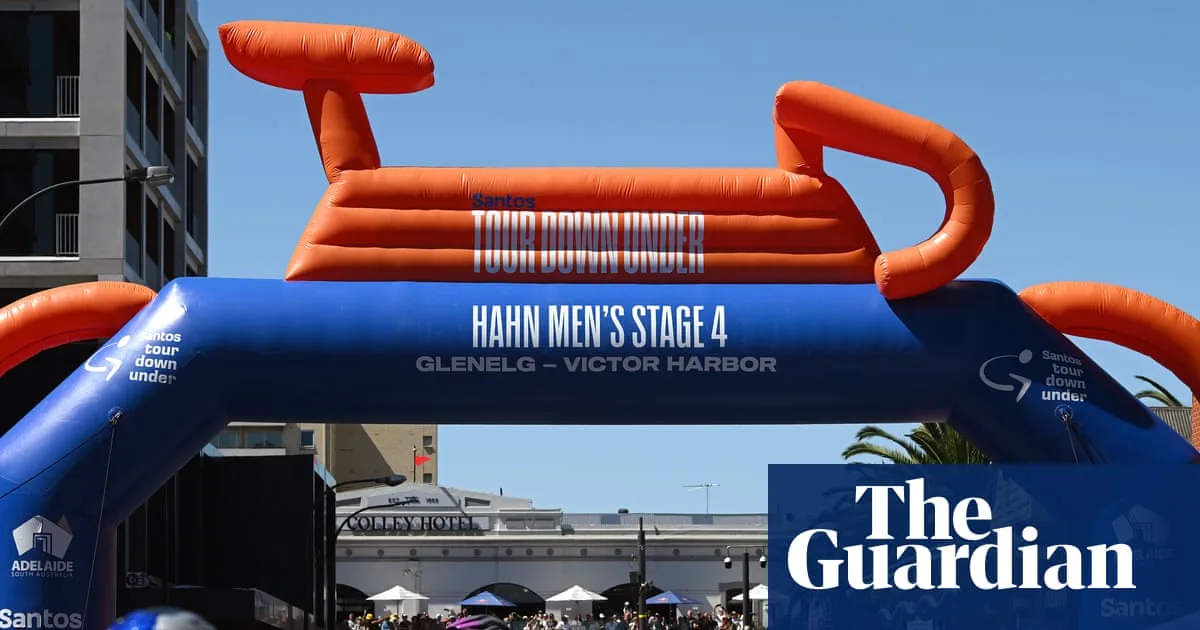
Cyclists preparing for Australia's biggest race, the Tour Down Under, are speaking out against its sponsorship by fossil fuel company Santos, as extreme heat linked to climate change increasingly impacts the sport. Australian Olympic cyclist Maeve Plouffe described training in a heat chamber to simulate the intense conditions, noting that racing in extreme heat 'feels like your whole body is encapsulated in heat'. She fainted from heat sickness after a training ride in Paris.
Former national road champion Brodie Chapman said the Tour Down Under sponsorships needed to reflect 'the values of the modern world, the Australian people, the natural world and athletes'. Former national champion Cyrus Monk called the Santos sponsorship 'embarrassing' and expressed a desire for a renewable energy company to take over, similar to the Belgian Renewi Tour.
Santos has held naming rights since 2010 and renewed until 2028, despite protests and calls for divestment, particularly after the 2019-20 bushfires. A Tour Down Under spokesperson praised Santos as a 'valued naming rights partner', stating that without their support the event would not be possible. The spokesperson highlighted Santos's role in South Australia's renewable energy investment and its carbon capture project at Moomba.

However, critics note that Santos's Barossa gas development is considered one of the dirtiest in Australia, and the Moomba CCS project has captured only 4.6% of the company's total emissions. Matt Rendell of the Badvertising campaign said the economics of cycling have made the sport reliant on such sponsorships, but riders are increasingly uneasy.