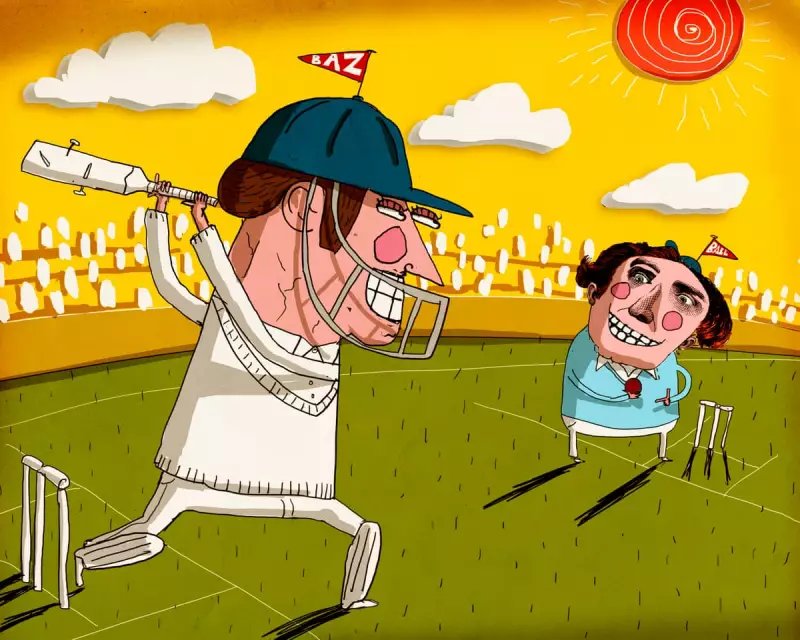
The backlash has been swift and merciless. Following England's comprehensive defeat in the first Ashes Test, the sense of betrayal among fans and pundits feels disproportionately strong. The revolutionary cricket philosophy known as 'Bazball' now faces its sternest examination, with questions mounting about its viability against Australia's clinical approach.
The Cult of Bazball: From Salvation to Suspect
What began as a breath of fresh air in English cricket has evolved into something resembling a cultural movement. Ben Stokes and coach Brendon McCullum promised a new dawn: aggressive batting, taking 20 wickets, and challenging orthodoxies. For two years, it delivered thrilling results and transformed a team mired in Covid-era gloom.
The energy was infectious - Harry Brook playing shots so audacious they defied convention, Stokes as the modern savage leader, and Ben Duckett discussing 'deconstructing the orange' in press conferences. This wasn't just cricket; it was male wellness energy, emotional openness, and freedom from tradition.

The Brisbane Implosion: What Went Wrong?
Then came Perth. England batted poorly, as visiting teams often do in Australia. The bowling and captaincy disintegrated under pressure, particularly during Travis Head's brilliant counter-attack that saw him bat like England but better - adaptive and luminous.
The reaction has been telling. Rather than mere disappointment, there's righteous anger. Critics demand England don't just lose, but be scoured by the vengeful purity of Mitchell Starc's bowling and the low-fi orthodoxies of Scott Boland, who celebrates wickets with the humble satisfaction of someone receiving a new fishing rod.
More Than Cricket: The Cultural Divide
This conflict transcends sport. Australia's exasperation with England's 'passive-aggressive buccaneers' reflects deeper cultural tensions. The English approach, treating the sacred traditions of Test cricket as 'a bit of a gag', strikes at how Australians define themselves through the game.
As one observer noted, Bazball was a cult because cricket is a cult. English cricket has always been a closed world with two centuries of opaque rituals - the colonial game of the British, the original sports washers. In trying to escape this history, England created another bubble, just with cooler aesthetics.
The Road Ahead: Adaptation or Extinction?
Half a week from the second Test in Brisbane, we've reached a critical juncture. England could win through sheer adrenal disruption, or collapse into what might become the 'death cult' phase of Bazball.
There are genuine achievements to acknowledge. Stokes talking openly about male mental health while captaining England represents meaningful progress. The team has been more interesting and generally better than its predecessor, even if they lose this series 4-1.
Yet the flaws are evident: a failure to adapt, the sense this movement only has one move - rejecting the previous one. Trying to be interesting constantly becomes boring. The question remains whether this philosophy can evolve or whether it's destined to be another footnote in cricket's long history of revolutionary ideas that couldn't withstand ultimate pressure.
What comes next might involve witch-hunts and persecution paranoia before potential final conflict. But for now, this group remains trapped within their strange colonial hangover of a sport - something so compelling it remains impossible to look away. There's still time to burn more furniture, create more heat and light, and make everyone feel something before the final reckoning.