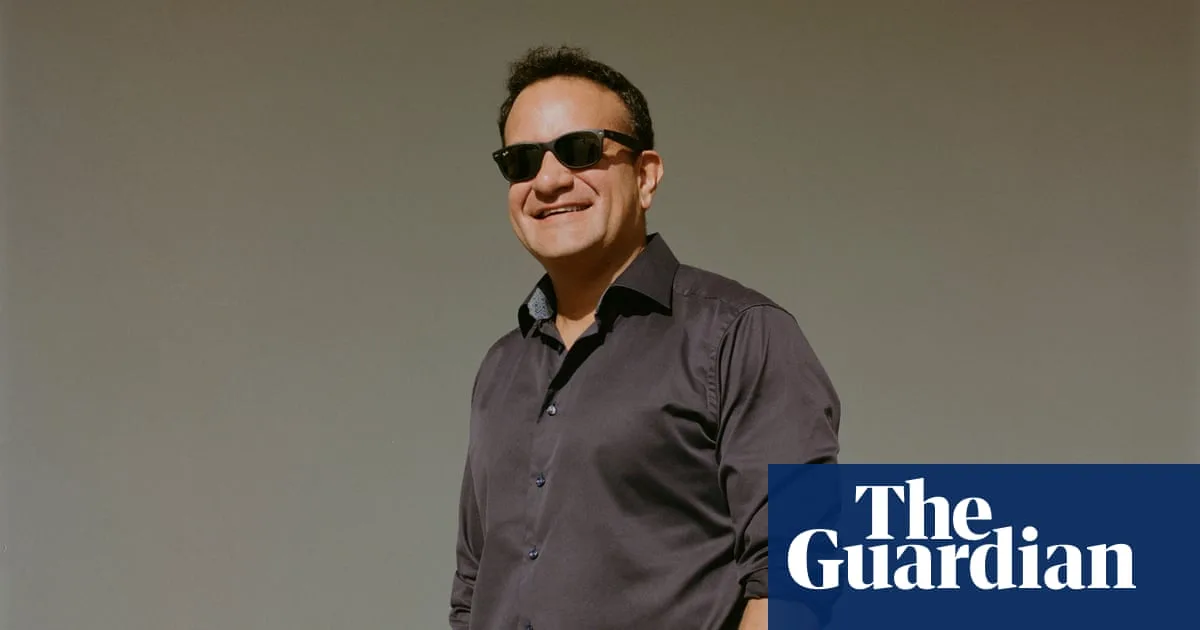
Former Irish taoiseach Leo Varadkar has spoken frankly about his decision to step down in April 2024, his views on rightwing populists, and his fears for the future of politics, in a wide-ranging interview at his Dublin home. The 46-year-old, who was the youngest person and first openly gay and mixed-race leader of Ireland, resigned unexpectedly while still in his 40s, a move he says was driven by a desire to leave on his own terms.
Varadkar, whose memoir Speaking My Mind is out now, reflected on the appeal of populist figures like Nigel Farage and Donald Trump. He noted their 'likability' but expressed concern about the direction of political discourse. The former Fine Gael leader, often compared to a moderate Tory, warned that such figures thrive on a disconnect between elites and the public, a trend he finds troubling.
During the interview, Varadkar recounted a mix-up when the journalist initially went to the wrong house, only to find the former taoiseach arriving at the same address. He explained that the cleaner had not been told to expect visitors, leading to a brief moment of confusion. Varadkar, dressed smart-casual in a blue shirt and cream chinos, appeared relaxed and candid throughout the conversation.
On his political drive, Varadkar admitted that ambition and altruism both played a role. He recalled being fascinated by elections from a young age and wanting to address shortcomings in his community, such as a lack of services and schools. After studying medicine at Trinity College Dublin and working as a GP, he felt he could have more impact as a politician, particularly on the health service.
Varadkar also touched on his identity as a gay man of Indian heritage, noting that his father was an Indian GP and his mother an Irish nurse. He said he hoped his leadership had inspired others, but declined to speculate on his legacy. When asked about the future, he expressed hope that politics could regain a sense of civility and purpose, but acknowledged the challenges posed by polarisation.