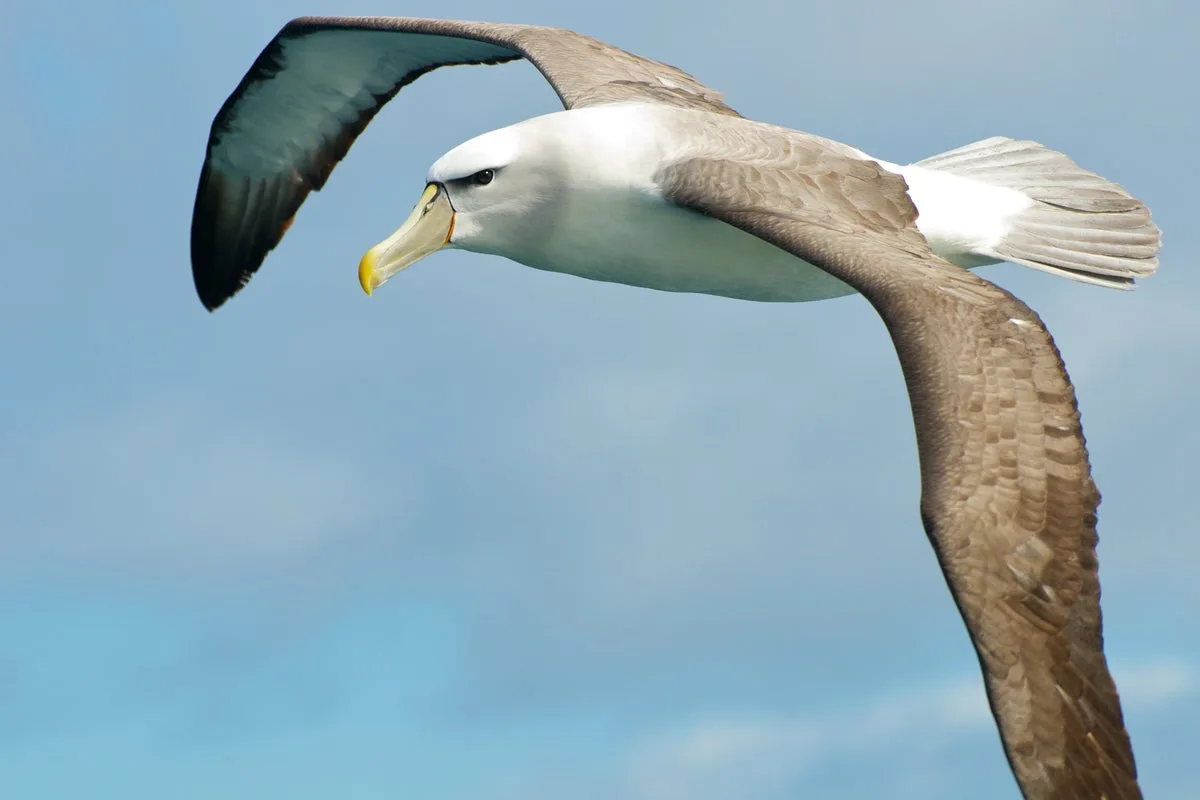
Despite descending from the same group of dinosaurs as Tyrannosaurus rex, birds never reached such gigantic sizes. Professor Steve Brusatte, a palaeontologist at the University of Edinburgh, explains in his new book, The Story of Birds, that the evolution of birds involved a reduction in body size, which allowed them to develop flight.
Birds are theropod dinosaurs, the same group that includes T. rex and Velociraptor. However, while some theropods grew enormous, birds evolved to be small and lightweight. This adaptation was crucial for developing powered flight, as large bodies would have made flying energetically impossible.
Fossil evidence shows that many small dinosaurs had feathers, even before flight evolved. These simple, hair-like feathers likely served for insulation or display. Over time, some lineages developed larger wing feathers, enabling gliding and eventually flapping flight. The constraints of flight mechanics likely prevented birds from reaching the massive sizes of their terrestrial relatives.
Professor Brusatte notes that the closest relatives of birds were a diverse group of small feathered dinosaurs. The exact sequence of how flight originated—whether from the ground up or trees down—remains a mystery. However, the shift to small body size was key to birds' survival, allowing them to thrive after the asteroid impact that wiped out the larger dinosaurs.