The dream may be over for England’s footballers, but sports stars from the home nations have been lighting up this summer’s Commonwealth Games in Glasgow, which finish tomorrow, August 2. Here is a look at the food and drink five athletes build into their nutrition routines, along with tips everyone can take from their exercise regimes.
Josh Kerr: Coffee
Josh Kerr, the 28-year-old Scot who won silver in the 1500m at the 2024 Paris Olympics, is running in the mile in Glasgow. His secret is coffee. He says he does an “eight-day coffee fast before races. A coffee about three hours before the race should then have more impact.”
Studies have shown that the caffeine in coffee can improve performance in runners, with one review suggesting it could boost endurance by an average of 24 per cent. One way it works is by helping to block a brain chemical called adenosine that makes us feel tired. A Spanish study also found that having coffee 30 minutes before aerobic exercise could improve the rate of fat burning.
Zharnel Hughes: Beetroot
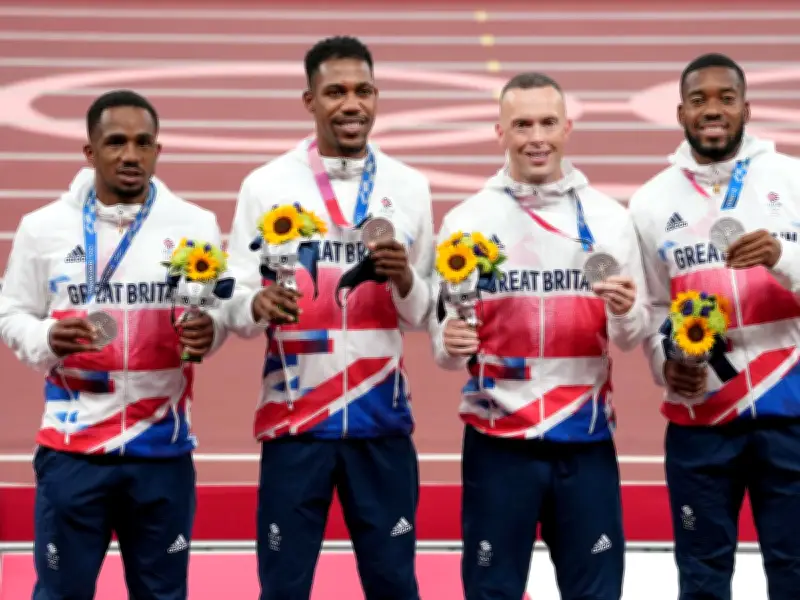
Zharnel Hughes, an Olympic bronze medallist in the 4x100 and officially Britain’s fastest man, says he incorporates the vegetable “as it is very good for recovery”.
Science suggests the 31-year-old is right. Beetroot juice is rich in nitrates, which the body converts to nitric oxide, widening blood vessels and helping blood flow and delivery of oxygen to muscles. In one study, athletes who had beetroot ran a race five per cent faster, while another found it reduced muscle damage in recovery. Don’t like the red stuff? Spinach works in a similar way.
Adam Ramsay-Peaty: Peanut butter on banana
Adam Ramsay-Peaty, a three-time Olympic gold medal swimmer who can gobble up to 8000 calories a day, says the sweet, nutty combination provides “energy during the training process”.
Athletes like peanut butter because it is calorie-rich and nutrient-dense, but it is not the only way everyday exercisers could benefit. A recent study from Australia found that three tablespoons of the stuff could boost muscle power in the legs as we get older. The potassium and magnesium in bananas can regulate muscle function and, some suggest, help prevent cramping.
Emma Finucane: Porridge
Emma Finucane, a track cyclist and gold medallist in the team sprint at the 2024 Olympics, makes oats a key part of her diet along with protein yoghurts and omelettes.
A bowl of porridge is perfect for providing stamina. It is made up of complex carbohydrates that break down slowly, providing sustained energy release. It can help you feel fuller for longer and contains important protein and fibre too. A study from Loughborough University found that foods like porridge with a low glycaemic index enhanced endurance when eaten about three hours before exercise.
Katarina Johnson-Thompson: Eggs
Katarina Johnson-Thompson, who won silver in the heptathlon at the 2024 Paris Olympics, will compete for England at the Commonwealth Games this summer. The 33-year-old includes protein-rich eggs in her daily diet, saying: “I’m very much an egg person”. She aims to eat around 70g of protein a day.
A typical large egg contains around 6g of protein, which is vital for athletes to aid muscle recovery and repair post-workout. They are easy on your system too. The International Society of Sports Nutrition says: “Due to their excellent digestibility and amino acid content, eggs are an excellent source of protein for athletes.” There is little evidence that eggs increase levels of bad cholesterol, but go for them boiled, scrambled or poached, which will reduce the amount of fat you’re consuming.