
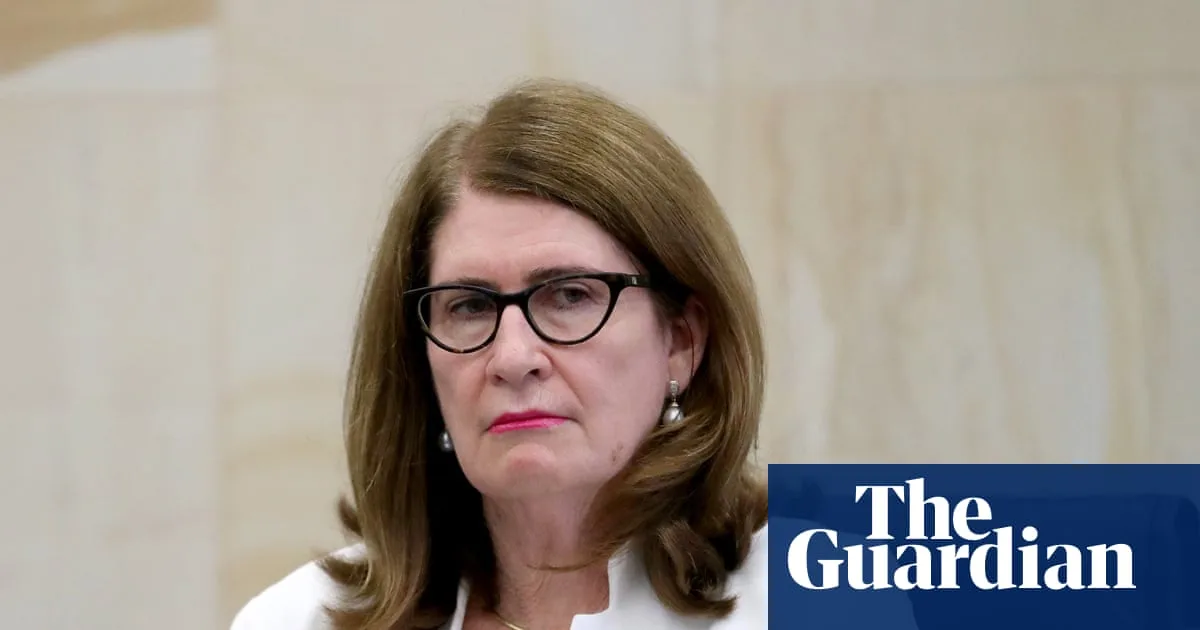
A scathing review into government board appointments has found that both major parties have routinely abused the process, leading to public distrust and fears of 'overpaid political hacks' being appointed to key roles. The report, authored by former public service commissioner Lynelle Briggs, was handed to the Albanese government in August 2023 but is only now being released, 18 months after completion.
Briggs' review found widespread dissatisfaction with how ministers and departments appoint individuals to around 200 government boards. It warned that politicisation and short-term decision-making have undermined confidence in institutions, with many believing all direct ministerial appointments are politically motivated. The report stated that 'all too often these appointments have looked like forms of patronage and nepotism'.
Key recommendations include independent and competitive recruitment, standard four-year terms, and a ban on individuals serving on more than two paid boards simultaneously. Briggs also proposed a six-month 'cooling off' period for ex-politicians and staffers before they can take up board roles, extending to 18 months for former ministers and their staff. Additionally, appointments should be barred in the six months before a federal election unless strict processes are followed.
However, the Labor government has opted not to implement many of these recommendations. Instead, it has unveiled a new framework of strengthened principles aimed at promoting merit, transparency, and accountability. The framework, effective from February, will apply to all commonwealth public office appointments, including departmental secretaries and agency heads. It requires written selection criteria, diversity considerations, and adherence to independent panel recommendations.
Finance Minister Katy Gallagher, who commissioned the review in February 2023 to 'put an end to the jobs for mates culture', defended the new approach. She said it would give the public the highest possible confidence in the integrity of appointments. The government faced criticism for its slow response, losing control of the Senate last month over efforts to access the report.




