

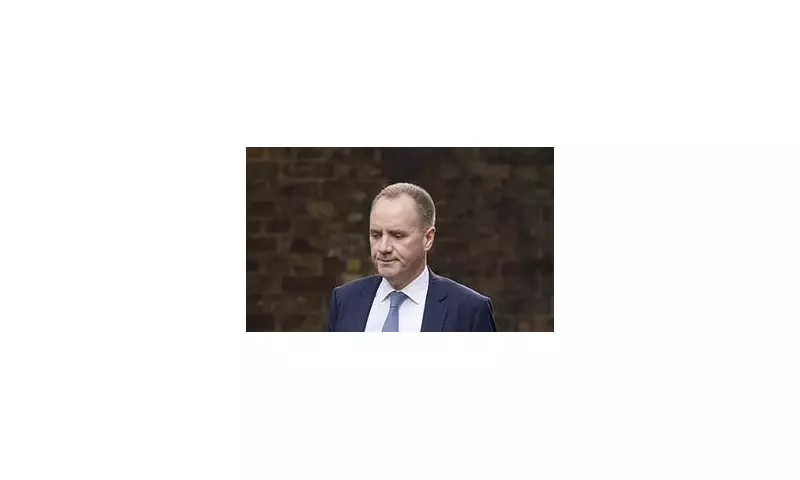
A damning investigation has revealed that the Office for Budget Responsibility (OBR) may have been accidentally leaking sensitive Budget documents for years due to a deep-seated technical failure. The probe was launched after Chancellor Rachel Reeves's entire Budget package was published online a full 45 minutes before she began her speech to Parliament last week.
Systemic Failure, Not Simple Error
The report, advised by former national cybersecurity chief Professor Ciaran Martin, concluded the premature publication was not the result of hacking or malicious intent. Instead, it blamed pre-existing "configuration errors which reflected systemic issues" within the OBR's digital infrastructure. These errors meant protections designed to hide documents from public view before the official release time were not in place.
Crucially, the assessment uncovered evidence that the same technical flaw existed during the previous government's final Budget, suggesting documents might have been accessible prematurely on that occasion too. This raises serious questions about whether individuals could have profited from early knowledge of market-sensitive announcements.

Political Fallout and Leadership in Jeopardy
The leak has triggered a major political storm. Prime Minister Sir Keir Starmer publicly criticised the "significant error", calling it a "massive discourtesy to parliament" and questioning the OBR's judgement. The fate of OBR chairman Richard Hughes is now hanging in the balance.
Chancellor Rachel Reeves offered only lukewarm support for Mr Hughes, stating that while she is a "bigger supporter" of the OBR, the leak was a "serious breach of protocol". The Treasury also issued a rare public rebuke after the OBR published a letter detailing private communications, which revealed officials told Ms Reeves there was no hole in the public finances ahead of her Budget. This has fuelled accusations she talked up fiscal problems to prepare the ground for tax rises.
Broader Implications for Market Confidence
The scandal extends beyond a single leak. The potential for repeated, undetected premature access over years strikes at the heart of the OBR's role as an independent guardian of fiscal transparency. The departure of its chief could risk spooking financial markets seeking stability.
Sir Keir Starmer expressed bemusement at the OBR's timing of a £16 billion productivity downgrade, questioning why it wasn't conducted at the end of the last government. He nonetheless reaffirmed his support for the institution, calling its role "vital for stability" and integral to the government's "ironclad" fiscal rules.
The OBR has now assured the Treasury that revealing the content of private policy discussions will not become "usual practice" in future, as the government seeks to rebuild the confidential space necessary for Budget preparation.






