
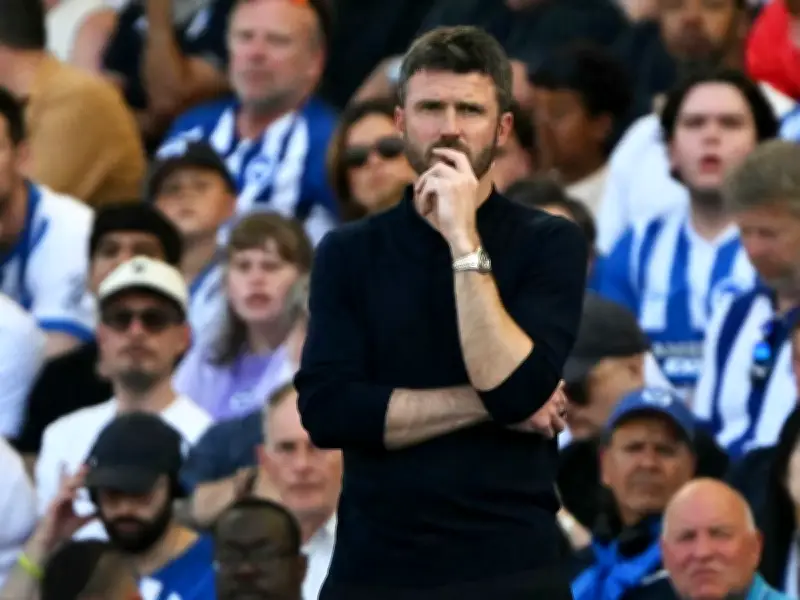
Manchester United are gearing up for a busy summer transfer window as they look to strengthen their squad for a four-competition campaign. However, manager Michael Carrick will not have free rein to spend without adhering to five crucial regulations beyond the club's control.
Brexit Restrictions
Since Brexit, United can only sign players from the European Union after obtaining a Governing Body Endorsement (GBE). This is based on three criteria: senior and youth international appearances, the quality of the selling club (considering league, position, and continental progression), and club appearances in domestic and continental competitions. Additionally, Brexit limits the number of overseas Under-21 players a club can purchase in a single season and prevents academy players from joining United until they turn 18.
Home Grown Player Quotas
Both the Premier League and UEFA have distinct homegrown rules. In the Premier League, a 'Home Grown' player is one who, regardless of nationality or age, has been registered with any FA or FAW-affiliated club for three entire seasons (or 36 months) before turning 21. For the UEFA Champions League, clubs must submit a List A of no more than 25 players, with eight spots reserved for 'locally trained players'. No more than four of those eight can be 'association trained'. List B has no limit, provided players were born on or after January 1, 2005, and have been eligible for the club for two uninterrupted years since age 15 (or three years if one was on loan within the same association).
Profit and Sustainability Rules (PSR) Replacement
Next season, the Premier League will replace PSR with the Squad Cost Ratio (SCR) framework. SCR limits clubs' on-pitch spending to 85% of football-related revenue and net profit/loss from player sales. Squad costs include wages for players and head coach, agents' fees, and transfer fee amortisation or impairment.
UEFA's Squad Cost Ratio
UEFA also employs SCR but with a stricter cap of 70%. Furthermore, UEFA measures finances by the calendar year, whereas the Premier League operates season-to-season. This discrepancy requires careful financial planning from United.
For more details, read the full story.




