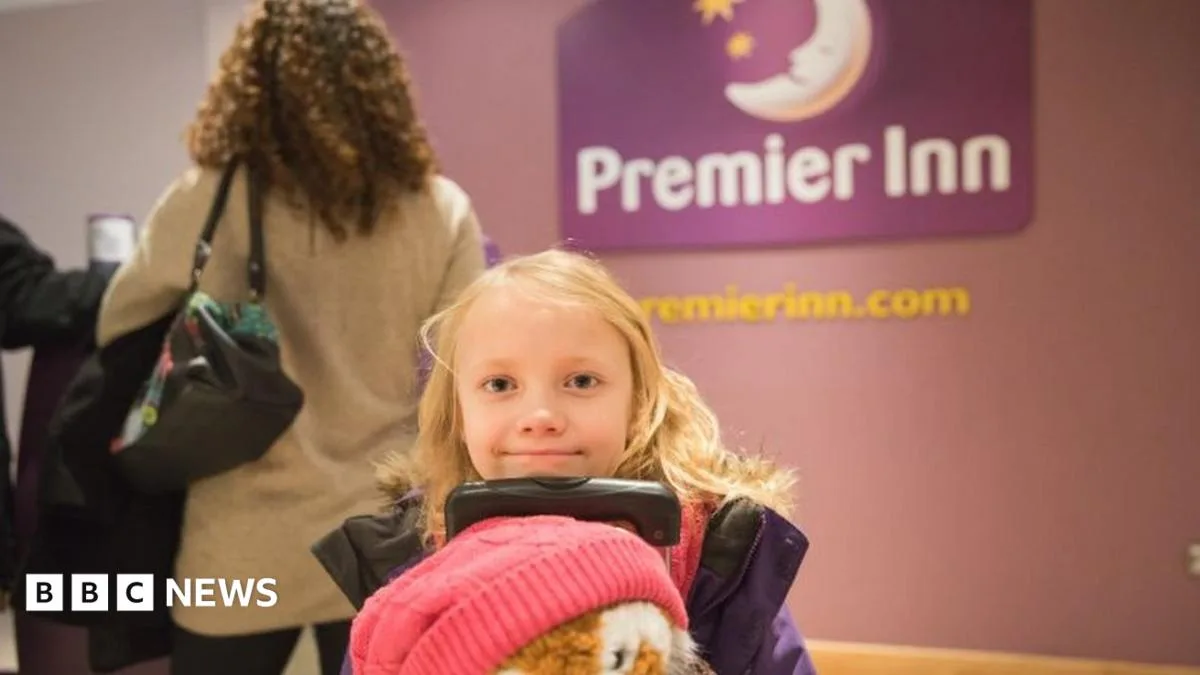
All 197 remaining Beefeater and Brewers Fayre pubs across Britain are set to close after Premier Inn owner Whitbread announced plans to cut 3,800 jobs. Some 87 of these restaurants, typically located adjacent to or within hotels, will be converted into Premier Inn rooms, while 110 will be sold over the next two years.
Strategic Overhaul and Cost Savings
The overhaul comes as the FTSE 100 business revealed a five-year strategy to achieve £250 million in cost savings and reduce approximately 12 per cent of its 30,000-strong workforce. However, this marks the end for the Beefeater restaurant brand, more than half a century after its establishment in 1974, known for steaks and classic pub meals. Brewers Fayre, launched in 1981 and beloved by children for its Charlie Chalk Fun Factory soft play areas, will also disappear from the UK.
Whitbread will replace Beefeater and Brewers Fayre outlets with an integrated food and drink model, which it claims is more efficient and preferred by hotel guests. The chain also owns Bar + Block restaurants, Cookhouse and Pub, Thyme bar and grill, and Table Table brands, all of which are set to be phased out.
Cost Pressures and Financial Context
The London-based hospitality group said it wanted to save money in light of cost pressures from changes to business rates and national insurance contributions. Whitbread's chief executive Dominic Paul stated: 'We plan to convert all our remaining branded restaurants to an integrated food and beverage offer that is preferred by our hotel guests and will unlock the addition of more highly profitable extension rooms.' He added: 'Our continued efforts to drive our commercial plan and efficiencies will extend our market-leading position and allow us to take share from our competitors, many of which are struggling to grow.'
Whitbread, which operates more than 800 Premier Inn hotels across the UK, revealed that its new five-year plan includes an increased cost-saving target and steps to cut capital spending by more than £1 billion. This will involve selling off £1.5 billion worth of its freehold properties to fund future growth and increasingly look to grow on a leasehold basis.
Workforce and Redeployment
Whitbread said the plans to reduce its workforce were subject to employee consultation, and it expects to retain a significant proportion of those affected through redeployment. The company's previous restructuring plan, launched in 2024, resulted in around 1,500 job cuts. It is still planning to increase the number of hotel rooms it has open to 96,000 by the 2031 financial year, from the current approximately 86,600.
Mr Paul commented: 'We always challenge ourselves to improve and, in light of significant cost increases in the form of business rates and national insurance, as well as the implied market discount to our inherent value, we've looked hard at the options open to us to maximise value creation over the medium and long-term. This has been a rigorous process and we've approached all options with an open mind. Our new five-year plan builds on our strengths and drives a significant acceleration of our strategy.' He added: 'This plan will transform Whitbread into a higher-margin, higher-returning pure-play hotel business. We're going to go further and faster to deliver a great experience for our guests and high-quality growth and returns for our shareholders.'
Financial Performance and Market Reaction
The announcement comes after the business reported a pre-tax profit of £298 million for the year to February 26, which was 19 per cent lower than the year before. Total revenues were flat year-on-year at £2.9 billion, but UK sales edged up by 1 per cent. The business has faced calls from New York-based activist investor Corvex to rethink its business strategy.
Russ Mould, investment director at AJ Bell, said: 'Pressure from Corvex has taken hold at Whitbread as the company announces plans to sell and lease back a big chunk of its hotel estate and make significant changes to its restaurant business. The market seems unconvinced by the strategy based on the initial investor reaction. Lots of Whitbread's peers operate an 'asset-light' model whereby they don't own the sites they manage. There are advantages and disadvantages to both, and while Whitbread will remain an owner of some of its hotels, the changes announced today and the plans to focus on leaseholds in the future are a clear nod in this direction. We can't be too far away from Whitbread renaming itself Premier Inn PLC given its remaining branded restaurants are to be replaced with hotel-based food offerings.'
Derren Nathan, head of equity research at Hargreaves Lansdown, added: 'Premier Inn continues to outperform the competition, and a focus on efficiency helped to offset significant cost challenges. So far, events in the Middle East haven't translated into a fall in demand for Whitbread's hotel rooms, with the 1.9 per cent growth in UK accommodation sales so far this year split relatively evenly between new rooms and organic growth. The refreshed strategy builds on recent success, which has seen the group pull back on standalone dining outlets and lean into the integration of its restaurants into Premier Inn, which provides a captive audience of diners.'