The Labour government is actively considering a significant policy shift that could see foreign tourists charged entry fees at museums across the United Kingdom. This proposal marks a potential reversal of the free admission policy that has been in place for national museums and galleries since 2001.
Current Free Admission Policy Under Review
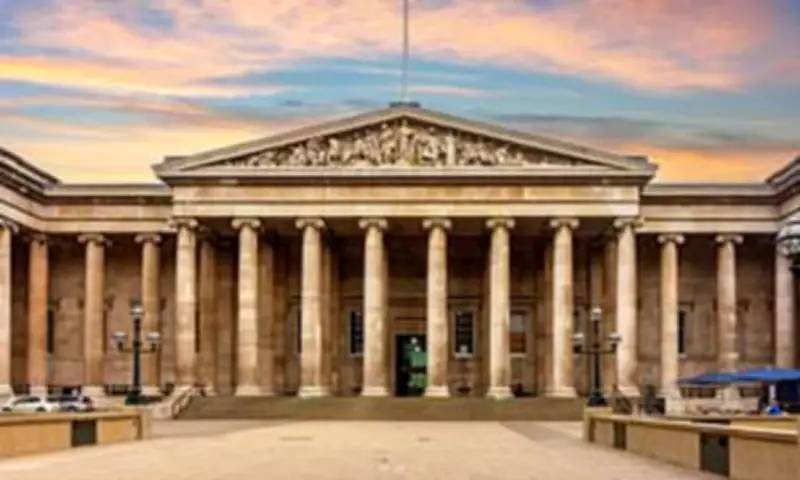
Since 2001, government policy has mandated free admission to national museums and galleries sponsored by the Department for Culture, Media and Sport (DCMS). This policy covers prestigious institutions including the British Museum, the Design Museum, the National Gallery, Tate galleries, and Sir John Soane's Museum in London. The policy extends to major regional museums such as National Museums Liverpool, the Museum of Science and Industry in Manchester, and the National Coal Mining Museum for England in West Yorkshire.
Financial Pressures Driving Change
The DCMS has announced it will explore options for charging international visitors, responding to what it describes as a bleak financial situation within the culture sector. This assessment follows a comprehensive review of Arts Council England, which distributes more than £450 million annually in public funding.

The review was conducted by Baroness Hodge, former Labour culture minister, who criticized the current funding model. She argued that organizations feel compelled to 'tick all the ACE boxes to secure funding' and recommended replacing the strategy with 'a new, less prescriptive' approach. Baroness Hodge concluded that the organization had drifted from its founding purpose, with evidence suggesting that art itself had been pushed into the background.
Government Response and Proposed Measures
In response to these findings, ministers have begun considering the possibility of charging foreign visitors to enter national museums. The DCMS stated it will explore recommendations from Baroness Hodge's review, including 'revolutionising arts investment by exploring ideas that have the potential to boost our cultural sector.'
Specific measures under consideration include committing to longer funding rounds of up to five years for the National Portfolio, incentivising philanthropy, implementing cultural tax reliefs, and exploring opportunities from charging international visitors at museums.
Ministerial Statements on Cultural Reform
Culture Secretary Lisa Nandy emphasized the need for change, stating: 'For far too long, the benefits of culture have not been equally distributed. I refuse to sit back while communities are forgotten in our national story. Change must start today. That change begins with a culture sector that is proud and unafraid to tell the whole story of our nation.'
Nandy added: 'We must seize the opportunity we have to build a culture sector that works for the whole country and provides the tonic we need in the face of division.'
Arts Minister Ian Murray reinforced the government's commitment: 'The Government is a proud champion of the arts and our ambition is to ensure that everyone, everywhere has access to excellent culture where they live and that we build on the vast talent we have in this country to grow the future workforce for our world-leading creative industries.'
Progress on Cultural Investment
The government has already begun implementing priorities identified in Baroness Hodge's review. Earlier this year, the Culture Secretary announced the largest capital investment in the arts in over a decade, with £1.5 billion allocated to cultural infrastructure. This substantial investment demonstrates the government's commitment to addressing the financial challenges facing the cultural sector while exploring new revenue streams such as international visitor fees.
The proposed changes represent a significant shift in cultural policy that could fundamentally alter how museums operate and fund their activities in the United Kingdom.