Westminster is witnessing an extraordinary public rift within the Conservative Party as senior figures engage in open warfare over the government's dramatic retreat from climate commitments.
Former COP26 President Alok Sharma has launched a blistering attack on Business Secretary Kemi Badenoch's decision to abandon key net zero policies, warning that the move threatens both environmental progress and economic stability.
The Green Rollback That Sparked Fury
In a stunning reversal of environmental strategy, the government has scrapped several flagship climate measures, including:
- Eliminating requirements for landlords to meet energy efficiency targets
- Weakening plans to phase out gas and oil boilers
- Abandoning recycling reforms and waste reduction initiatives
Badenoch defended the changes as necessary to avoid "unacceptable costs on hard-pressed British families," but the justification has failed to placate critics within her own party.
Cross-Party Condemnation Grows
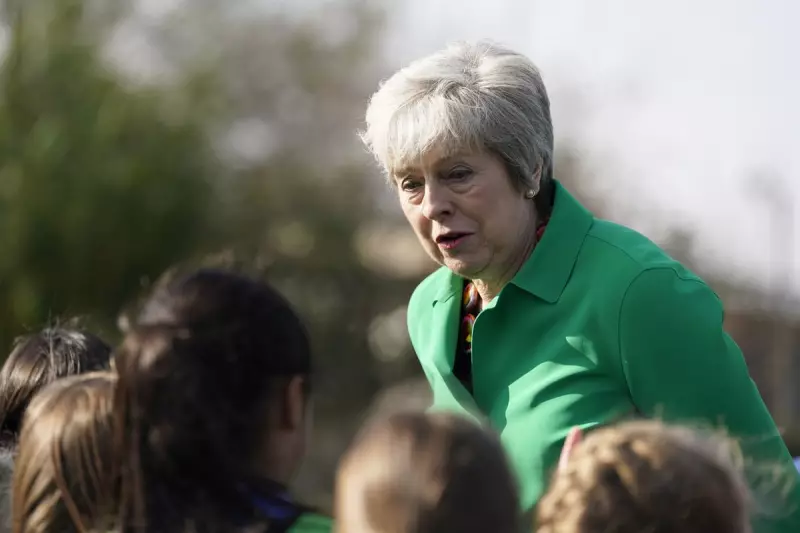
The controversy has united unlikely allies, with former Conservative Prime Minister Theresa May joining the chorus of disapproval. Mrs May emphasised that "this isn't about short-term political convenience, but about securing Britain's future in the global green economy."
Even Energy Secretary Claire Coutinho, while publicly supporting the government's position, faces mounting pressure to justify how these changes align with the UK's international climate obligations.
Labour Seizes Political Advantage
Opposition parties are capitalising on the Conservative infighting, with Labour positioning themselves as the true guardians of both environmental responsibility and economic pragmatism.
The timing couldn't be worse for Rishi Sunak's government, which now faces the dual challenge of managing internal dissent while countering Labour's increasingly confident environmental platform.
As the political storm intensifies, questions remain about whether this policy shift represents a strategic repositioning or simply deep ideological divisions that could haunt the Conservatives at the next general election.