
Andy Burnham is expected to scrap Keir Starmer’s digital ID card plans upon entering Downing Street on Monday, redirecting resources to address the cost of living crisis, his team confirmed.
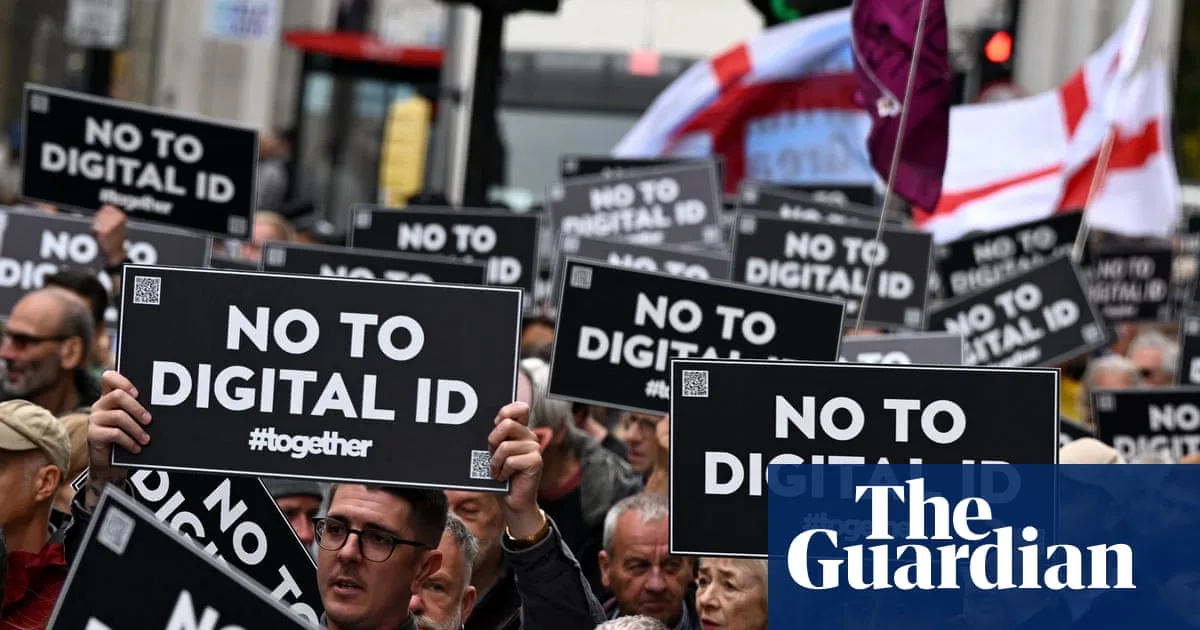
The new Labour leader’s spokesperson said the move represents a “reset of priorities,” with all time and resource previously allocated to the national ID scheme going to where it is most needed, such as helping with the cost of living. The unpopular scheme, which prompted a petition of around 3 million signatures, was originally announced last September to combat illegal working.
While the exact savings from scrapping the project are unclear, the Office for Budget Responsibility estimated it could cost £1.8bn, a figure rejected by officials. The proposed “Brit card” would have been compulsory for proving work eligibility and detailed residency status, name, date of birth, nationality, and photograph.
The plans drew widespread backlash from opposition politicians and civil rights groups. Conservative MP David Davis warned of data security risks, while the Liberal Democrats opposed mandatory digital IDs. The Open Rights Group cautioned against creating a “digital surveillance infrastructure.” In response to criticism, the government earlier rolled back plans, making them voluntary.
Tony Blair’s government had passed ID card legislation in 2006, later scrapped by the coalition in 2011. The Tony Blair Institute had welcomed Starmer’s proposals, but the Conservative chair of the home affairs select committee, Karen Bradley, described the announcement as “a fiasco.”




