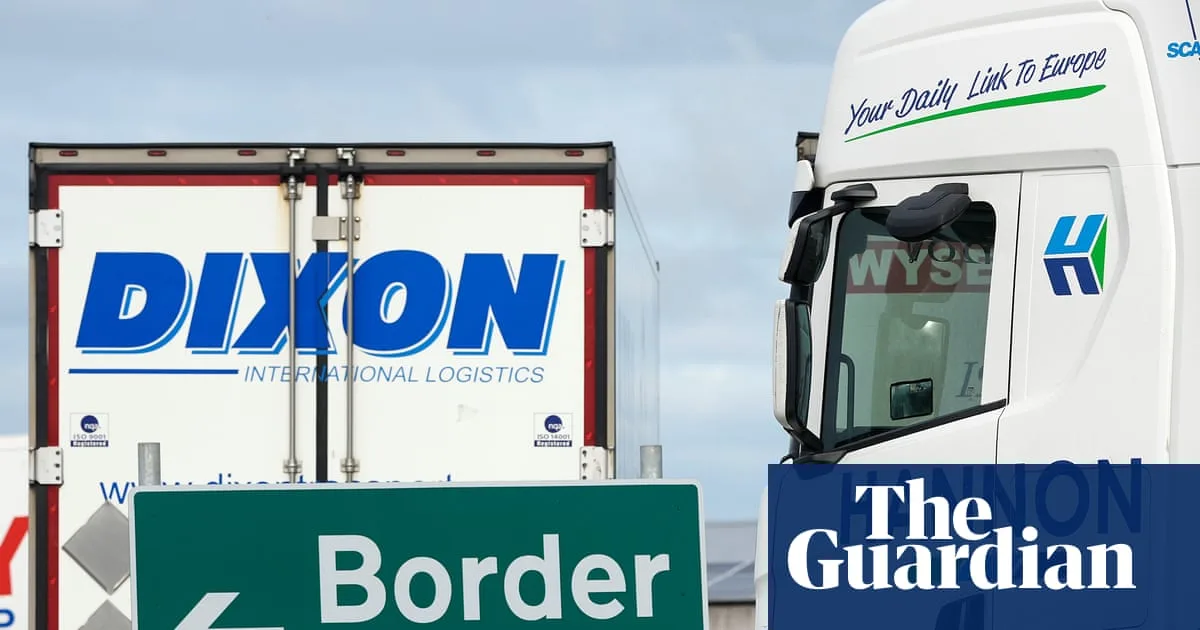
Health Secretary Wes Streeting has broken ranks with the government to call for a deeper trading relationship with the European Union, signalling a growing internal rebellion against Keir Starmer's cautious approach to Brexit. In an interview with the Observer, Streeting suggested that joining a customs union with Europe would give Labour a distinctive message to counter Nigel Farage at the next general election.
Streeting's remarks align him with Labour members and voters who overwhelmingly support stronger EU ties. Polling by YouGov shows that 80% of 2024 Labour voters back negotiating a customs union deal, while 73% support talks to rejoin the EU entirely. Senior cabinet ministers, including Deputy Prime Minister David Lammy, have privately expressed similar views, with Lammy noting that customs union membership has benefited countries like Turkey.
Downing Street has repeatedly ruled out a return to the customs union, arguing it would undermine the UK's independent trade deals. However, the benefits of those deals are increasingly questioned. The US suspended a tech prosperity deal over wider disagreements, and the free trade agreement with the US, while lowering tariffs to 10% on British exports, has had negligible economic impact, with one senior business figure calling it 'performative'.
Labour's manifesto 'red lines' against rejoining the customs union, single market or freedom of movement only apply until the next election, according to No 10. One minister told the Guardian: 'Hopefully we’ll be in a position to go into the next election saying we have done all we can within the confines of what we inherited. But if we want to push on, then some sort of commercial union with our neighbours may be the next place to go.'
The main obstacle remains the difficulty of negotiating with Brussels, which demands high prices for concessions. Talks for UK defence companies to join the EU's Safe fund collapsed last month due to French resistance, and negotiations on a food standards deal only began weeks ago, six months after Starmer's summit with Ursula von der Leyen, because of delays in the EU obtaining its mandate.