Pressure Mounts on Starmer to Postpone King's US State Visit
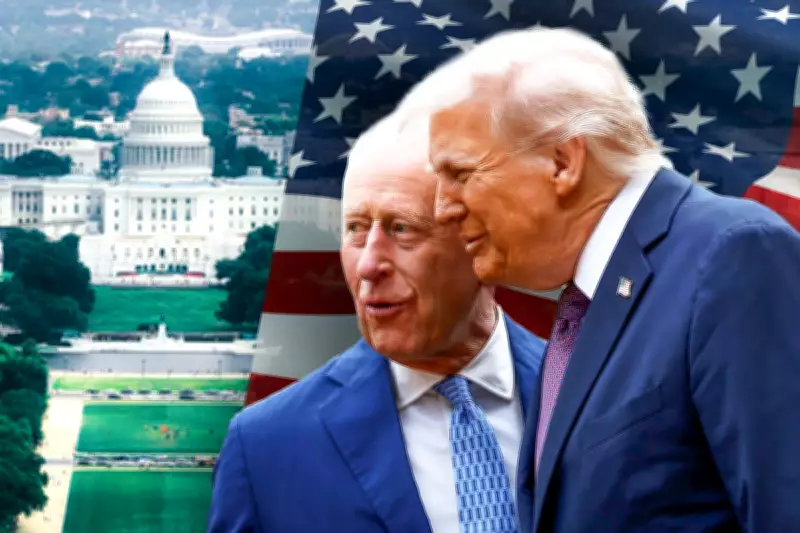
Emily Thornberry, the Labour chair of the foreign affairs committee, has publicly urged Prime Minister Keir Starmer to postpone King Charles's planned state visit to the United States. This call comes in the wake of recent US-Israeli military strikes on Iran, with Thornberry arguing that proceeding with the visit amidst ongoing conflict would be inappropriate and potentially embarrassing for the monarchy.
Political Motivations Behind the Push for Delay
Thornberry's stance aligns with that of Liberal Democrat leader Ed Davey, who earlier called for the visit's postponement. Davey aims to position his party as a vocal critic of Donald Trump and opponent of military action in the Middle East, drawing parallels to the Lib Dems' historic opposition to the Iraq invasion. Thornberry, despite reported tensions with Starmer over her overlooked appointment as attorney general, reflects a broader sentiment among Labour MPs. They believe Britain should signal disapproval of Trump's policies by delaying the royal visit.
Understanding the Significance of a State Visit
A state visit, as defined by parliamentary expert David Torrance, has evolved from 19th-century domestic royal appearances to now signify formal visits between heads of state of different nations. These occasions involve elaborate ceremonial displays and are intended to promote national interests while maintaining royal dignity. For Commonwealth realms, such visits are termed "royal visits" due to shared monarchy.
Potential Risks and Diplomatic Considerations
Thornberry cited concerns that Trump's unpredictable behaviour could embarrass King Charles, though her primary goal appears to be political messaging. Historically, Trump has shown restraint during royal engagements, such as his 2025 UK state visit, avoiding inflammatory remarks. However, the current geopolitical climate adds complexity. Starmer holds the constitutional authority to advise the King on postponement, though cancelling without genuine emergency reasons would breach diplomatic protocol and risk snubbing the US president.
Public Opinion and Likely Outcome
Recent YouGov polling indicates significant public opposition to the visit, with 46% favouring cancellation compared to 36% supporting it. This reflects broader hostility toward Trump and his foreign policy actions. Despite this, Starmer is unlikely to postpone the visit, as he has consistently sought to maintain a working relationship with the US administration while opposing specific military strikes. The decision ultimately balances diplomatic decorum against political pressure, with the King expected to follow the prime minister's advice quietly, as he did during Trump's previous UK visit.