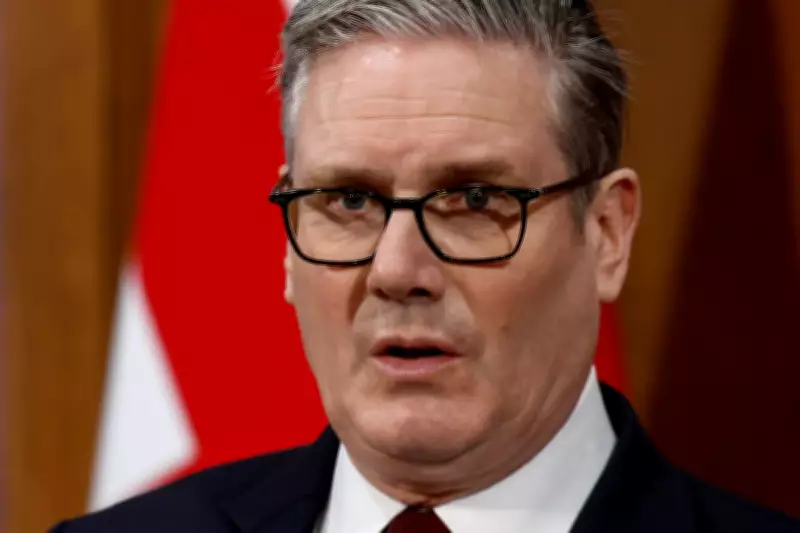
Starmer to Face Intense Questioning from MPs Following Trump's Latest Rebuke
Prime Minister Sir Keir Starmer is set to undergo a rigorous grilling from Members of Parliament this Wednesday, following fresh and pointed criticism from former US President Donald Trump regarding his handling of the ongoing Iran war. The scheduled Prime Minister's Questions session, commencing at noon, is anticipated to be heavily dominated by discussions surrounding the Middle East conflict and its profound domestic repercussions.
Trump's Direct Criticism of UK Leadership
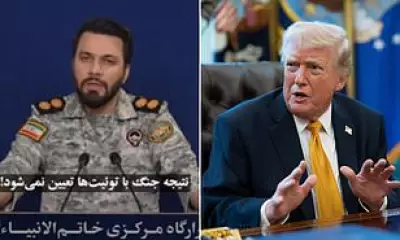
In a statement delivered from the Oval Office on Tuesday, President Trump expressed his personal fondness for Sir Keir but conveyed significant disappointment with the Prime Minister's recent diplomatic position. "Well, he hasn't been supportive, and I think it's a big mistake," Trump declared to reporters when questioned about the state of his relationship with the British leader. He further reiterated his now-familiar comparison, asserting that "unfortunately Keir is no Winston Churchill."
The core of the dispute centres on Britain's resistance to immediately acceding to Trump's calls for allied nations to provide military assistance in reopening the Strait of Hormuz. This critical global shipping channel for oil remains blockaded by Tehran, contributing to oil prices sustaining levels above 100 US dollars, equivalent to approximately £75 per barrel, as the conflict enters its third gruelling week.
Starmer's Cautious Stance and Domestic Political Reactions
In response, Sir Keir Starmer has maintained a stance of cautious restraint. On Monday, he insisted that the United Kingdom "will not be drawn into a 'wider war'" and emphasised his government's collaborative efforts with European partners to develop a "viable collective plan" aimed at restoring safe navigation in the region. Potential British contributions to the international mission are being considered, with mine-hunting drones being a likely option over the deployment of a warship, although the Prime Minister confirmed that no definitive decisions have been finalised.
Domestically, the political reaction has been mixed. Conservative Party leader Kemi Badenoch, while critical of Sir Keir's overall response to the Iran war, rejected President Trump's personal attack as "wrong." She characterised the escalating diplomatic friction as "very childish, this war of words and these spats," during a conversation with the Press Association on Tuesday.
Escalating Conflict and Regional Developments
The geopolitical situation continues to deteriorate rapidly. In a significant escalation, Israel announced on Tuesday that it had successfully "eliminated" two senior Iranian security officials. The targets were Ali Larijani, secretary of Iran's Supreme National Security Council, and General Gholam Reza Soleimani, head of the Revolutionary Guard's Basij force, according to Israeli Defence Minister Israel Katz. Tehran has officially confirmed both killings and retaliated by launching salvos of missiles and drones at its Gulf Arab neighbours and Israel.
Meanwhile, President Trump noted that NATO and most other allied nations have similarly rejected his appeals for direct assistance in securing the volatile Strait of Hormuz. This places the UK's position within a broader context of international caution, even as it faces unique diplomatic pressure from its American ally. The Prime Minister's performance during the upcoming parliamentary session will be closely scrutinised for signs of how his government intends to navigate this complex and dangerous international crisis while managing domestic political expectations and a strained transatlantic relationship.