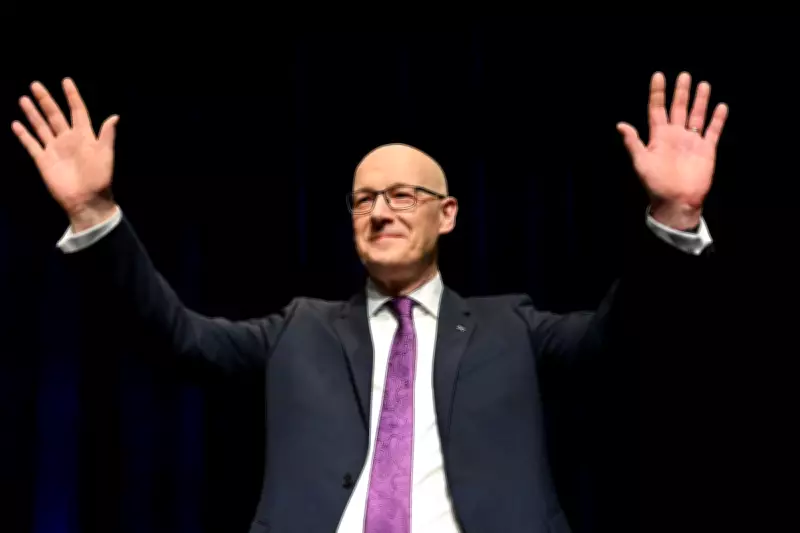
SNP Leader John Swinney to Launch Manifesto with NHS Transformation Plan
First Minister John Swinney will formally launch the Scottish National Party's election manifesto in Glasgow on Thursday, presenting himself as a leader offering "experienced and trusted leadership" to guide Scotland through challenging times. The centrepiece of the manifesto will be a comprehensive three-stage strategy designed to make Scotland's National Health Service "fit for the future."
Three-Pronged NHS Strategy: Investment, Protection and Renewal
In his keynote address, Mr Swinney will outline a detailed approach to healthcare reform consisting of three fundamental pillars. The first component involves substantial investment aimed at providing the NHS with necessary resources to reduce waiting lists and improve service delivery times significantly.
The second pillar focuses on protection of the NHS's founding principles, ensuring the health service remains comprehensive, universal and completely free at the point of use. Mr Swinney will make a firm commitment against commercial exploitation of patient data, stating emphatically: "never selling patient data to dodgy billionaires and the Palantirs of this world."

The third element involves renewal through systemic reform, redirecting resources toward preventative care that keeps people out of hospitals while shifting the balance of care toward community-based services. This includes specific measures to eliminate the problematic 8am rush for GP appointments through continued expansion of walk-in clinics.
Swinney's Leadership Pitch and Opposition Criticism
Mr Swinney will position himself as a steady hand during difficult periods, telling voters: "I offer experienced and trusted leadership to help Scotland through these tough days." He will pledge to lead a government "that will always be on Scotland's side" and commit to using "all of my energy to improve the lives of the people of Scotland." The First Minister will also reaffirm his commitment to serving all Scottish citizens while advocating for independence as "the fresh start our country needs."
Opposition parties have responded with sharp criticism of the SNP's healthcare record. Scottish Labour's deputy leader and health spokesperson Jackie Baillie described Mr Swinney's manifesto promises as demonstrating "absolutely astonishing" brass neck, citing what she called "utterly abysmal" health outcomes after nineteen years of SNP governance.
Ms Baillie highlighted several concerns including alleged cover-ups of patient deaths, excessive A&E waiting times, and overburdened healthcare staff. She asserted: "If John Swinney and the SNP cared whatsoever about our NHS, they would have bolstered their support for it long before now."
Scottish Conservative deputy leader Rachael Hamilton questioned the timing of the NHS plan, stating: "If the SNP had a plan to fix our NHS, we'd have seen it after nearly two disastrous decades in power." She accused nationalists of running the health service "into the ground" and emphasized Mr Swinney's long-term involvement in SNP leadership.
Scottish Liberal Democrat election campaign chair Wendy Chamberlain criticized what she described as "a culture of secrecy and broken promises" within the SNP, referencing deleted COVID-19 WhatsApp messages, ferry network problems, and unfulfilled educational commitments. She urged voters to support her party for "transparency, accountability, and change with fairness at its heart."
Broader Political Context and Electoral Implications
The manifesto launch occurs against a backdrop of ongoing political debates about Scotland's constitutional future and public service delivery. Mr Swinney's speech will connect NHS improvements with broader governance themes, asking voters for a mandate "to act always with, and for, the people who live here."
With the election approaching on May 7, the NHS plan represents a crucial element of the SNP's campaign platform, attempting to address healthcare concerns while positioning the party as competent managers of Scotland's public services. Opposition responses indicate healthcare will remain a contentious battleground throughout the election period, with competing narratives about past performance and future promises.