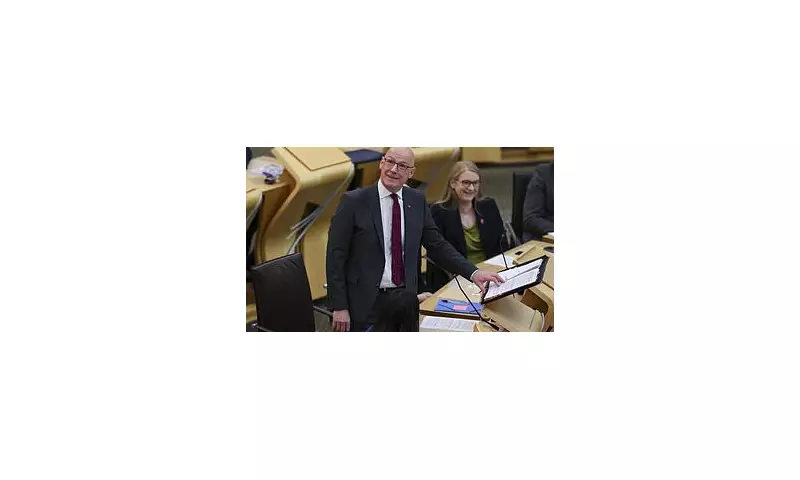
Scottish taxpayers are bracing for what experts are calling a 'double whammy' of financial pressure as First Minister John Swinney refuses to eliminate the possibility of further tax increases in the coming year.
The Tax Divide Widens
Scotland already maintains a significantly different tax structure from the rest of the United Kingdom, with higher earners facing substantially larger bills than their counterparts in England and Wales. The SNP administration has created a multi-tiered system where Scots begin paying higher tax rates at lower income thresholds.
Now, with Mr Swinney openly considering additional increases, financial experts warn Scotland could be heading toward the most punitive personal taxation regime in Britain.
Swinney's Non-Denial Speaks Volumes
When pressed repeatedly during recent interviews about whether he would rule out tax hikes in the upcoming budget, the First Minister pointedly avoided giving any such assurance. Instead, he emphasised the Scottish Government's 'choices' and the 'challenging financial situation' facing public services.
'Where we have utilised our tax powers, we have asked those who are most able to pay to pay a little bit more,' Swinney stated, carefully avoiding any commitment to maintaining current rates.
The Growing Cross-Border Tax Gap
The existing divergence creates stark differences for workers on either side of the border:
- Higher rate threshold: Frozen at £43,662 in Scotland versus £50,270 in England
- Top rate threshold: Scots pay 47% above £125,140, while in England the 45% rate begins above £125,140
- Additional bands: Scotland's unique 'advanced' and 'top' rates create more progressive taxation
Economists suggest that further increases could accelerate the existing 'brain drain' of high earners leaving Scotland for more favourable tax environments elsewhere in the UK.
Mounting Pressure on Public Finances
The Scottish Government faces significant budgetary challenges, including:
- Rising costs for public sector pay agreements
- Increased demand for health and social care services
- Ambitious net-zero and social programme commitments
- Constraints on borrowing powers compared to Westminster
With limited fiscal flexibility, tax increases represent one of the few available levers for raising additional revenue, creating a difficult political calculation for the SNP administration.
Political Fallout and Public Reaction
Opposition parties have seized on Swinney's refusal to rule out tax increases, with Scottish Conservative leader accusing the government of 'taking Scottish taxpayers for granted.' Labour representatives have expressed concerns about the impact on working families already struggling with the cost of living crisis.
As budget discussions intensify behind closed doors at Holyrood, Scottish households await news of whether they'll face what could become the highest personal tax burden in the United Kingdom.