Chancellor Rachel Reeves Condemns US Military Action Against Iran
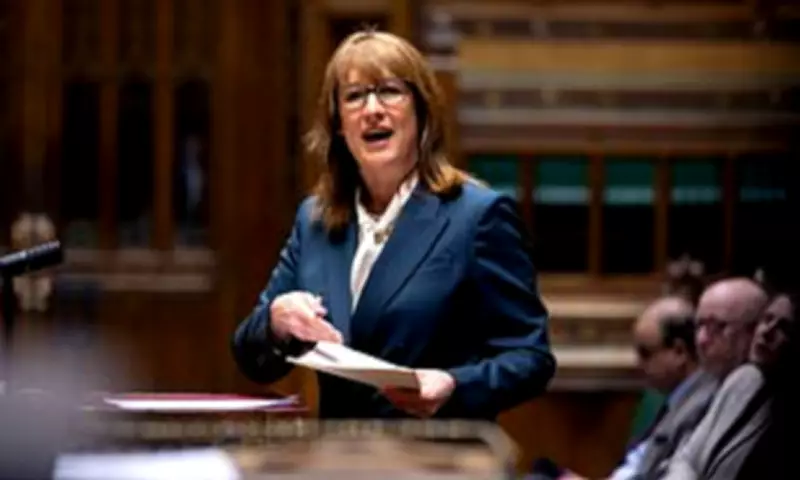
Chancellor Rachel Reeves has publicly criticised former US President Donald Trump's military campaign against Iran, labelling it a "mistake" during remarks at International Monetary Fund meetings in Washington. Speaking at a CNBC event in the US capital, Reeves expressed doubts that the joint US-Israeli operation has enhanced global security, stating she remains "not convinced that we are safer today than we were a few weeks ago."
Transatlantic Tensions Escalate Over Middle East Chaos
The Chancellor's comments emerge amidst growing friction between the UK and US concerning the ongoing Middle East conflict, which has resulted in the effective closure of the crucial Strait of Hormuz. This vital waterway, responsible for transporting approximately one-fifth of the world's oil and gas, has become a focal point of international economic concern.
Reeves emphasised the strategic importance of reopening the strait, asserting: "We need to reopen that Strait of Hormuz to get down energy prices and to strengthen and stabilise. I believe that you can't have economic security without national security. Energy security is a key part of that."

Trump's Fury and Trade Deal Threats
Donald Trump has repeatedly expressed anger towards Prime Minister Keir Starmer for refusing to support the military campaign against Iran. In an impromptu interview with Sky News, the former President complained that the UK was "not there" when he requested assistance with strikes on Tehran and efforts to reopen the Strait of Hormuz.
Trump hinted at potential retaliation by suggesting the trade agreement negotiated with Starmer last year could be revised, ominously remarking: "We gave them a good trade deal. Better than I had to. Which can always be changed." The "Economic Prosperity Deal" established in May last year covers multiple industries including automotive, aviation, and agriculture sectors, though certain elements remain unfulfilled.
Diplomatic Approach Versus Military Conflict
During her Washington address, Reeves advocated for diplomatic solutions over military engagement, stating: "The question is not whether you like or dislike the Iranian regime – I strongly dislike the Iranian regime – but how to achieve the change that you want to achieve." She highlighted that Iran currently possesses no nuclear weapons and maintained that preventing their acquisition is best achieved through diplomacy rather than conflict.
The Chancellor pointed out: "There was a diplomatic channel open, conversations, formal discussions were happening. I think it was a mistake to end those and to enter into conflict."
Clarity on Conflict Objectives Questioned
Reeves raised concerns about undefined war aims, noting: "We've never been clear about what the goals of this conflict is, which is why the impacts in our economy, but also here in the US economy and around the world, and particularly for our allies in the Gulf, like Saudi and Qatar and the UAE, are so immense." She specifically referenced the Strait of Hormuz situation, observing: "It was open at the beginning of this conflict, and that's what I mean about being clear about what the objectives of this conflict is."
UK's Position and International Relations
Prime Minister Starmer has maintained his refusal to support the Iran military campaign despite mounting pressure. During Prime Minister's Questions, he characterised Trump's criticisms as "pressure" tactics designed to alter the UK's stance, declaring: "I'm not going to change my mind, I'm not going to yield."
Downing Street has downplayed suggestions from Welsh Labour leader Baroness Morgan that the UK should retaliate by suspending the "deep space radar" project planned for Pembrokeshire in response to Trump's "hostility towards the UK and verbal attacks on our nation."
Broader Policy Disagreements
Beyond military matters, Trump has criticised Labour's immigration and Net Zero policies, claiming: "Your country is being invaded by people from prisons, drug dealers, people from mental institutions." He described Starmer's energy and immigration approaches as "tragic mistakes" and "insane" policies, though he confirmed these tensions would not affect King Charles's upcoming State Visit to the United States.

Historical Context and Current Stance
Starmer's initial efforts to establish positive relations with Trump have deteriorated significantly, first over US attempts to acquire Greenland and subsequently regarding the Iran conflict. The Prime Minister initially denied American forces access to UK bases for launching strikes, though he later permitted "defensive" operations to protect regional allies from Iranian retaliation.
The UK government has also declined Trump's requests to deploy Royal Navy vessels to help reopen the Strait of Hormuz while hostilities continue. Starmer recently condemned Trump's threats to "end" Iranian civilisation and plans to blockade the vital waterway, telling Parliament he would "never" employ similar language targeting civilian infrastructure.
Britain has confirmed it will not participate in Trump's latest initiative to halt "any and all ships" traversing the Strait of Hormuz. Starmer emphasised that while the UK stands ready to assist in restoring freedom of navigation, this can only occur "once the conflict ends" and will "take time" to implement effectively.