Reeves Intensifies Critique of Trump's Iran Military Campaign in Washington Address
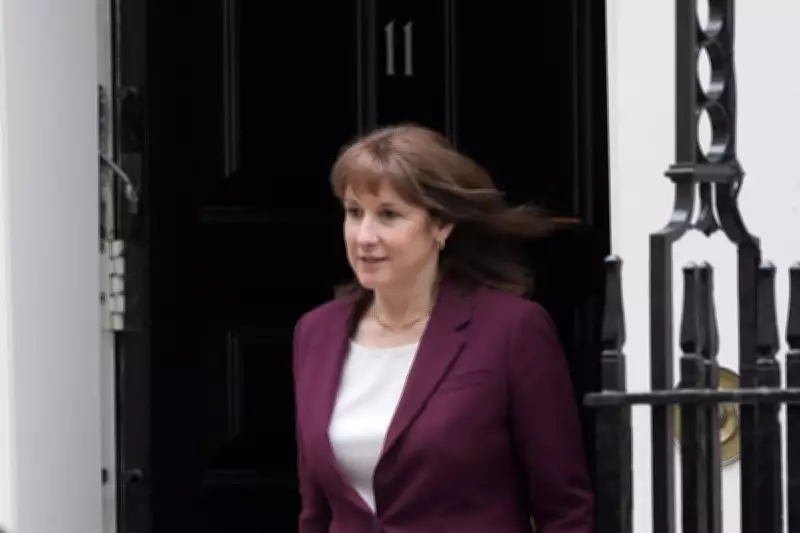
Chancellor Rachel Reeves has escalated her condemnation of the US-Israeli military strikes against Iran during her official visit to Washington, declaring the conflict a fundamental error that has failed to enhance global security. Speaking at a CNBC event in the American capital, the Chancellor expressed deep scepticism about the outcomes of the military action initiated by US President Donald Trump.
Diplomatic Channels Abandoned for Conflict
Reeves emphasised that formal diplomatic negotiations aimed at preventing Iran from acquiring nuclear weapons were actively underway before hostilities commenced. She argued that terminating these talks in favour of military engagement was a grave misstep. "I think it was a mistake to end those and to enter into conflict, because I'm not convinced that we are safer today than we were a few weeks ago," Reeves stated unequivocally.
The Chancellor clarified that her criticism does not stem from support for the Iranian regime, which she "strongly dislikes," but from a pragmatic assessment of strategy. She highlighted that Iran currently lacks nuclear weapons and insisted that diplomacy remains the most effective method to maintain that status, rather than armed confrontation.

Economic Fallout and Strategic Confusion
Reeves pointed to significant confusion surrounding the objectives of Trump's military campaign, noting that if the goal was to restart diplomatic negotiations, those discussions were already occurring prior to the conflict. This ambiguity, she warned, has led to severe economic consequences globally. The closure of the Strait of Hormuz, a critical oil and gas shipping route following Iranian retaliation, has disrupted energy markets and inflated prices.
The Chancellor detailed the extensive impact on allied nations in the Gulf, including Saudi Arabia, Qatar, and the UAE, as well as on the UK and US economies. She cautioned that even if the conflict ends immediately, long-term damage to Middle Eastern oil and gas facilities will persist, affecting refining capacity and energy security for the foreseeable future.
Call for De-escalation and Economic Stability
Reeves asserted that the paramount economic policy for both the UK and the global community must be the de-escalation of the Middle East crisis and the reopening of the Strait of Hormuz. She explained, "Because our growth will be higher and inflation will be lower if this conflict comes to an end, and that can only happen through de-escalation. So that's why it is so important to families and businesses in the UK."
In a joint statement with finance ministers from ten allied nations—including Ireland, Australia, Japan, and several European countries—Reeves underscored the coordinated international concern. The statement condemned the "unacceptable loss of life and significant disruption to the global economy and financial markets" caused by the US-Israeli strikes and Iran's retaliation. It welcomed the ceasefire and urged a swift return to diplomatic negotiations to restore safe transit through the Strait of Hormuz.
Transatlantic Relations and Domestic Measures
Addressing potential strains in UK-US relations due to her criticism, Reeves maintained that "friends are allowed to disagree on things." She highlighted the enduring special relationship, referencing King Charles's upcoming visit to Washington and Trump's state visit to the UK last September as evidence of deep bilateral ties.
Domestically, Reeves signalled that any government assistance with rising energy bills—forecast to increase due to the conflict—would be targeted at the poorest households, rather than a universal support scheme. She also faces pressure to cancel planned fuel duty increases set for September, as motorists already contend with higher pump prices.
The Chancellor and her international counterparts warned that further escalation would pose "serious additional risks to global energy security, supply chains, and economic and financial stability." They concluded that even with a durable resolution, the conflict's impacts on growth, inflation, and markets will linger, underscoring the urgent need for a diplomatic solution.