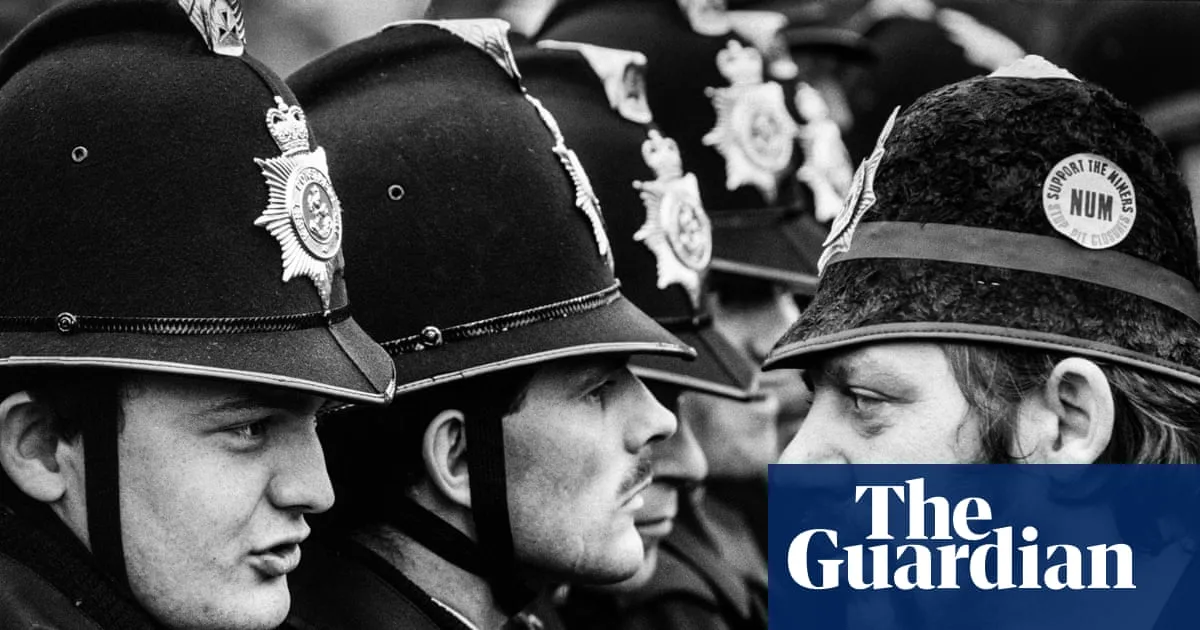
The Home Secretary, Yvette Cooper, has announced a statutory inquiry into the violent policing at Orgreave during the 1984 miners' strike and the subsequent collapse of prosecutions against 95 miners. The inquiry, announced 40 years after the clashes, follows decades of campaigning by those who argue the miners' strike remains an enduring source of injustice.
Cooper made the announcement at the site of the former Orgreave coking plant in South Yorkshire, now redeveloped into an advanced manufacturing complex, retail estate, new homes and parkland. She said: 'I think the miners' strike still has deep scars across coalfield communities, and the decisions made at that time – the broadest decisions that were taken by the Thatcher government in the 1980s – the scars can still be felt across the coalfields.'
The Home Office stated that criminal charges brought by South Yorkshire Police against 95 miners were dropped 'after evidence was discredited', and that the legacy of Orgreave has undermined 'the wider mining community's confidence in policing for decades'. Cooper, who represents a former mining area in West Yorkshire, said: 'People have waited for answers for over 40 years. The scale of the clashes, the injuries, the prosecutions, the discredited evidence, all of those things – there's still so many unanswered questions.'

On 18 June 1984, about 8,000 miners assembled for a mass picket called by the National Union of Mineworkers (NUM) and were met by 6,000 police officers from forces nationwide, led by South Yorkshire Police. The violence that ensued saw police charging on horseback and hitting miners with truncheons. The NUM has always believed the police violence was pre-planned, and that the force and Margaret Thatcher exaggerated the extent of miners' misbehaviour. The prosecution of 95 miners for riot and unlawful assembly collapsed on 17 July 1985 after barristers repeatedly accused police officers of lying.
The inquiry, modelled on the Hillsborough independent panel, will be chaired by Pete Wilcox, the Bishop of Sheffield. It will have the power to compel people to provide information. The Orgreave Truth and Justice Campaign (OTJC) welcomed the announcement. Joe Rollin, a founder member, said he was 'cautiously elated' by the prospect, adding: 'We've got a long way to go – and people know us, we're determined, and we'll not give up until we get the justice we deserve.'