NYC Mayor Zohran Mamdani's Alleged Ruthless Political Tactics Exposed
NYC Mayor Mamdani's Alleged Ruthless Political Tactics Exposed

NYC Mayor Zohran Mamdani's Alleged Ruthless Political Tactics Exposed

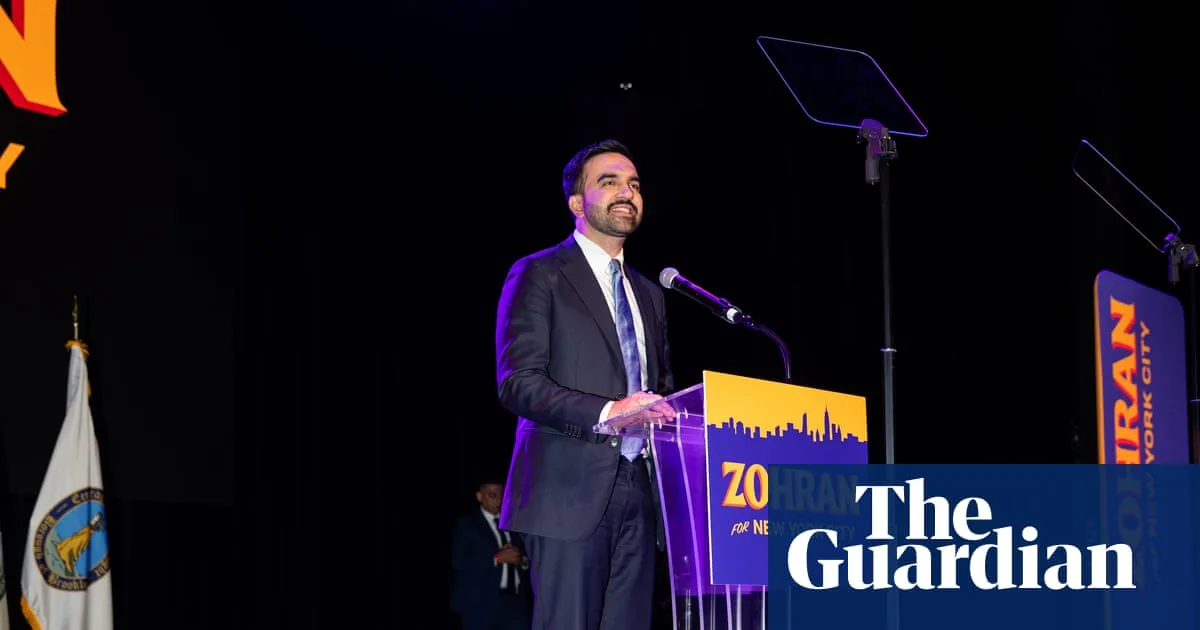
New York City's charismatic socialist Mayor Zohran Mamdani, who skyrocketed to popularity during his mayoral campaign as a man of the people, is now facing serious allegations from progressive insiders who claim he displays a ruthless and tyrannical streak behind closed doors. According to a report by The New York Times, sources within Mamdani's political circle allege that the 34-year-old mayor wields his power for personal gain and has no qualms about sidelining old friends or compromising his ideologies to further his agenda.

The Public Persona Versus Private Reality

Known for his smiling and seemingly unflappable attitude, Mamdani gained national attention by attacking both former President Donald Trump and New York Governor Kathy Hochul, a fellow Democrat he deemed too centrist. However, insiders now paint a different picture, accusing the mayor of snubbing friends, meddling in political campaigns, and strong-arming liberal nonprofits to protect his own interests.

New York Democratic Party chairman Jay Jacobs, who did not support Mamdani's campaign, has seemingly defended the mayor's behavior, suggesting that such ruthlessness is a political necessity. 'Every successful political person has to either come to the table with the ability to be a little bit ruthless from time to time, or they have to pick it up quickly,' Jacobs explained. 'Otherwise, you don't survive.'

Mamdani's top political advisor Morris Katz appeared to dismiss the accusations, telling the newspaper: 'The mayor is incredibly popular, and he's going to harness that popularity. People should understand that and be on the right side.'

Allegations of Campaign Tyranny and Betrayal

Insiders allege that Mamdani has demonstrated a campaign tyranny since his election last November. Just last month, he reportedly blocked the Working Families Party from backing Lieutenant Governor Antonio Delgado's gubernatorial campaign in a bid to protect his working relationship with Governor Hochul, despite previously bashing her.

This was not the first instance of Mamdani allegedly doing Hochul's bidding. His team reportedly hid his former roommate and fellow democratic socialist state Senator Jabari Brisport from camera view during a January press event celebrating his expansion of free child care at Hochul's request. Brisport, who places full blame on the governor, claimed that Mamdani was apologetic after the incident.

The mayor has also been accused of trying to influence several state and congressional races by lobbying against candidates he opposes and discouraging his allies from making public campaign endorsements. Key examples include:

  • Julie Menin: Mamdani reportedly tried to leverage relationships with liberal politicians and union leaders to stop her from becoming Speaker of the New York City Council, though unsuccessfully.
  • Chi Ossé: The mayor urged Brooklyn's democrat councilman not to challenge US House Minority Leader Hakeem Jeffries, allegedly telling him during a phone call that he could not win. When Ossé failed to oblige, Mamdani rescinded his invitation to the election victory party and personally lobbied against his campaign at a Democratic Socialists of America meeting.
  • Nydia Velázquez: Mamdani turned his back on the US Representative after she announced her retirement, despite her being the first congressional leader to back his mayoral bid. He allegedly tried to tee up state Representative Claire Valdez for her seat instead of supporting City Councilwoman Tiffany Cabán, a fellow democratic socialist who had criticized his mayoral bid.

Velázquez is understood to have felt 'disrespected' by Mamdani's actions and ultimately backed Brooklyn Borough President Antonio Reynoso in the primary race.

The Broader Implications for Progressive Politics

These allegations raise significant questions about the integrity of progressive leadership in New York City. While Mamdani's public image remains that of a unifier and reformer, the behind-the-scenes accounts suggest a pattern of manipulation and self-interest that contradicts his stated values. As the mayor continues to navigate his tenure, these revelations may impact his relationships within the Democratic Party and among grassroots supporters who expected a more transparent and principled administration.

The situation underscores the complex dynamics of power in urban politics, where idealism often clashes with pragmatic survival tactics. Whether Mamdani's alleged ruthlessness will ultimately serve his political goals or undermine his credibility remains to be seen, but the controversy has undoubtedly cast a shadow over his early mayoralty.