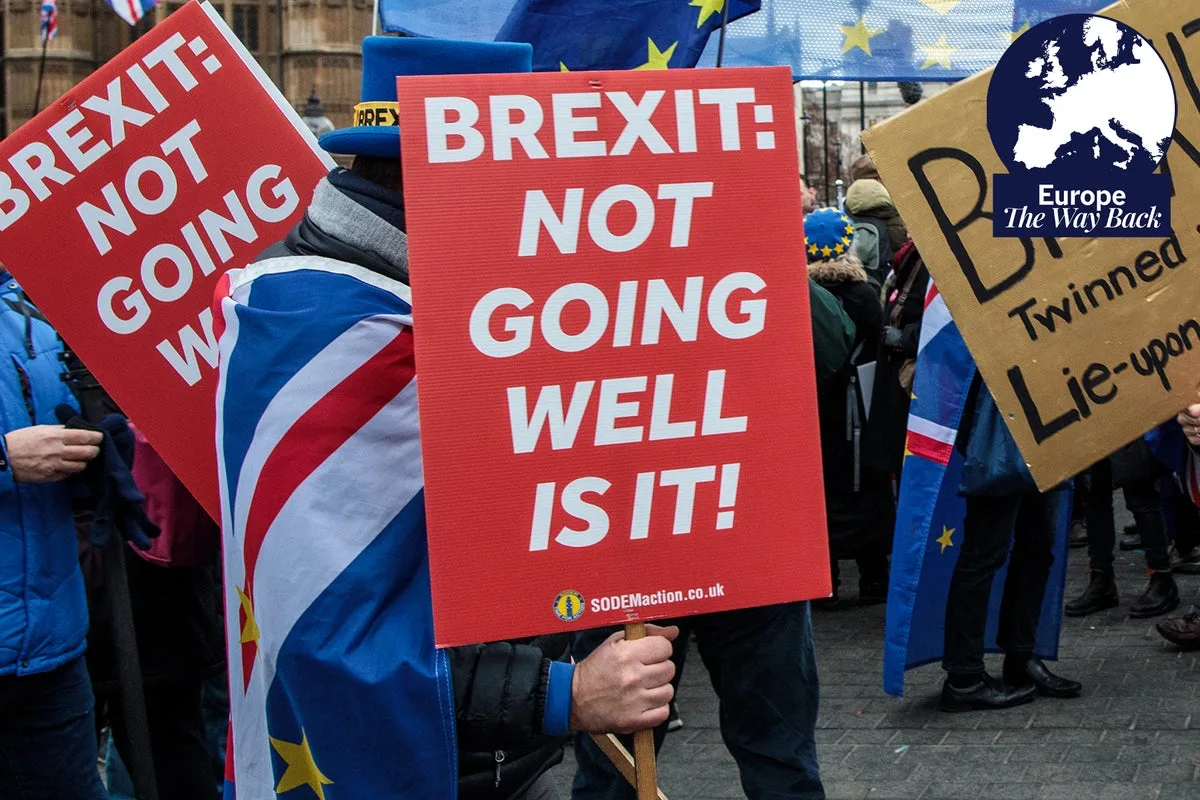
More than 500 polls conducted since the 2016 EU referendum reveal a decisive and consistent shift away from Brexit, with many voters now regretting their choice. The narrow majority in favour of leaving the EU has not withstood the test of time, as public opinion has swung against the decision.
Central to this change of heart is disappointment over immigration. Before the referendum, 85% of Leave voters expected immigration to fall after Brexit. However, while EU migration decreased, non-EU migration rose sharply, leading many to blame Brexit for higher overall levels. By 2023, Leave voters were rapidly losing confidence that Brexit would reduce immigration.
Economic expectations have also been dashed. The widespread view that Brexit has damaged the economy became almost universal among Remain voters after the Liz Truss 'fiscal event' in 2022, and Leave voters have grown increasingly pessimistic. Support for rejoining the EU enjoyed a clear lead for the first time following that event.

On sovereignty, many voters now feel Brexit has not made a practical difference to Britain's ability to make its own decisions, and there is a widespread perception that the UK has less influence in the world. By 2023, even Leave voters had become slightly inclined to think Brexit reduced the country's influence.
Overall, the evidence suggests that Brexit has largely failed to live up to Leave voters' expectations. Support for being outside the EU is now much lower than in 2016, with a double-digit lead for rejoining. The change is also driven by younger voters who did not participate in the 2016 referendum and show higher support for EU membership.